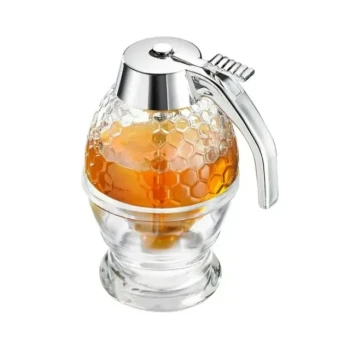
Water and nutrient sprayers act as a critical life-support system for bee colonies during dry spells. They directly supply essential hydration and supplemental nutrition when natural sources are scarce. By artificially introducing moisture, these tools stabilize the hive environment and drastically reduce the energy bees must expend on foraging trips.
During drought, a colony’s survival hinges on energy conservation and climate control. Sprayers solve both problems by delivering immediate hydration and nutrients, allowing bees to focus on brood rearing rather than exhausting themselves searching for water.
The Critical Role of Hydration in Hive Health
Regulating Internal Humidity
Bees are highly sensitive to their environment and require specific conditions to thrive.
Water sprayers allow the colony to maintain the necessary internal microclimate. This artificial regulation is vital when external humidity levels drop dangerously low.
Supporting Brood Rearing
The development of new bees is a resource-intensive process.
Brood rearing requires significant water to sustain the larvae. By providing this moisture directly, sprayers ensure that the next generation of bees can develop even when the outside environment is hostile.
Energy Conservation and Colony Efficiency
Reducing Foraging Workload
In dry seasons, natural water sources may be distant or dried up.
Foraging for water becomes a high-energy, high-risk activity for worker bees. Using sprayers reduces the bees' workload, eliminating the need for exhausting flights to find hydration.
Improving Survival Rates
Energy saved from foraging is energy reinvested into the colony's core functions.
By minimizing the physical stress on the workforce and stabilizing the hive's atmosphere, sprayers directly contribute to improved survival rates during extreme weather conditions.
Operational Dynamics and Considerations
The Shift in Labor
Implementing sprayers represents a shift in responsibility from the bee to the beekeeper.
While this reduces the physical toll on the colony, it requires the beekeeper to actively monitor and manage the hive's hydration levels. The hive relies on this artificial input to maintain stability when natural regulation is impossible.
Supplementary Nature
It is important to note that nutrient sprayers provide supplementary nutrition.
They are designed to bridge the gap during resource scarcity, ensuring the colony has the "essential" elements needed to survive until natural foraging conditions improve.
Making the Right Choice for Your Goal
When managing colonies during drought, your intervention strategy should align with specific hive needs.
- If your primary focus is Brood Survival: Prioritize consistent water spraying to ensure adequate moisture is available for larval development.
- If your primary focus is Worker Longevity: Use nutrient and water sprayers to minimize foraging flights, preserving the energy of your adult bees.
By stabilizing the microclimate and reducing biological stress, you transform a dry season from a crisis into a manageable event.
Summary Table:
| Feature | Support Mechanism | Key Benefit to Colony |
|---|---|---|
| Water Spraying | Regulates internal microclimate | Ensures brood development and prevents larval dehydration |
| Nutrient Delivery | Supplies supplemental energy | Bridges the gap during natural resource scarcity |
| Hydration Support | Reduces foraging distance | Minimizes worker bee physical exhaustion and mortality |
| Climate Control | Artificial humidity stabilization | Stabilizes hive temperature without internal energy expenditure |
Maximize Your Colony Survival with HONESTBEE
Don't let drought devastate your apiary operations. HONESTBEE provides commercial apiaries and distributors with professional-grade beekeeping machinery and essential consumables designed to stabilize hive health in any climate.
From specialized water delivery tools to advanced honey-processing equipment, we supply the full spectrum of hardware needed to scale your business. Contact us today to discuss wholesale opportunities and discover how our comprehensive equipment portfolio can enhance your productivity and protect your investment.
References
- Kalayu Aregawi, Tiruneh Woreknesh. Challenges and opportunities of honey production in north- east dry land areas of Amhara National Regional State, Ethiopia. DOI: 10.5897/jabsd2018.0308
This article is also based on technical information from HonestBee Knowledge Base .
Related Products
- HONESTBEE Round Hive Top Bee Feeder for Syrup
- HONESTBEE Professional Entrance Bee Feeder Hive Nutrition Solution
- Honeycomb Style Drip Free Honey Dispenser
- Premium Diamond-Faceted Glass Honey Dispenser
People Also Ask
- What can the round hive top feeder be used for? A Guide to Efficient, Safe Bee Feeding
- What types of hive boxes is the round hive top feeder compatible with? Universal Fit for 8 & 10-Frame Langstroth Hives
- What is the capacity of the round hive top feeder for syrup and pollen? A Guide to Targeted Apiary Support
- What types of feed can be used with the round hive top feeder? Versatile Feeding for Optimal Apiary Health
- What are the different types of top feeders for bees? Choosing the Best Feeder for Your Apiary