Solar beeswax melters are essential tools for beekeepers and crafters who prioritize sustainability and efficiency. These devices utilize solar energy to melt beeswax, making them an eco-friendly alternative to traditional methods. Our product range includes the Solar Beeswax Melter Easy Solar Wax Melter for Beeswax, designed for easy use and low maintenance. Perfect for those looking to produce high-quality wax for candles, cosmetics, and other applications, our solar wax melters ensure a clean and pure melting process.
Toggle Categories
Get Instant Support
Choose your preferred way to connect with our team
-
Get Free Quote Fill out form for detailed pricing
-
Send Email Detailed inquiry support
-
WhatsApp Quick mobile chat
Response Time
Within 8 hours on working days, 24 hours on holidays
solar beeswax melter

Solar Beeswax Melter Easy Solar Wax Melter for Beeswax
Item Number: BWM-1

Heart-Shaped Comb Honey Frame and Honeycomb Cassette
Item Number: CHC-1

Premium Wood Framed Metal Wire Queen Bee Excluder
Item Number: QE-5
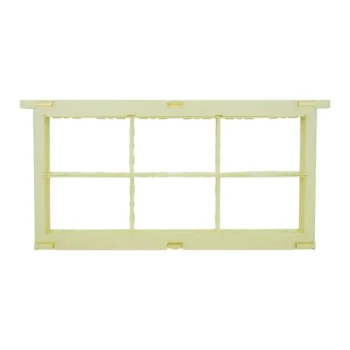
Professional 500g Sectional Comb Honey Frame System for Beekeeping
Item Number: CHC-3
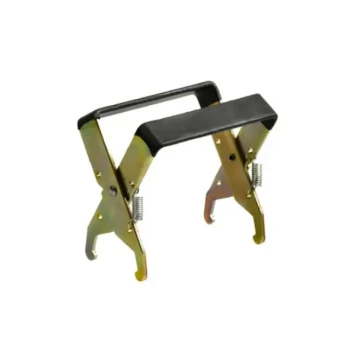
Durable Rubberized Comfort Handle Frame Grip
Item Number: BFG-9

HONESTBEE Professional Multi-Functional Hive Tool with Ergonomic Wood Handle
Item Number: HT-11

Heavy Duty 304 Stainless Steel Honey Dipper
Item Number: HB-6

Professional Thermostatic Conical Honey Melter
Item Number: HHT-4

HONESTBEE Collapsible Tiered Bee Swarm Catcher for Beekeeping
Item Number: SCB-2
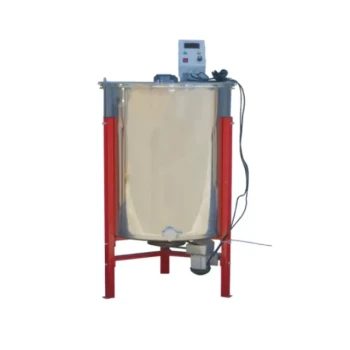
Professional 4 Frame Self Reversing Electric Honey Extractor for Beekeeping
Item Number: HE-4ES
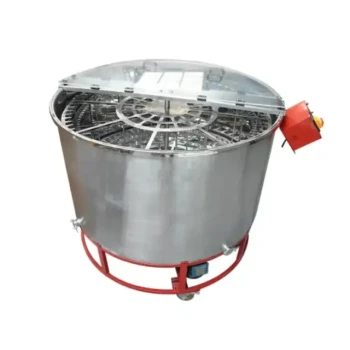
HONESTBEE 72 Frame Industrial Electric Honey Extractor for Beekeeping
Item Number: HE-72E
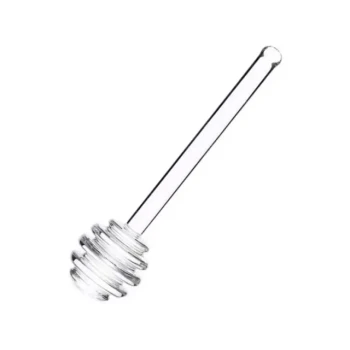
Premium Heat-Resistant Glass Honey Dipper
Item Number: HB-5
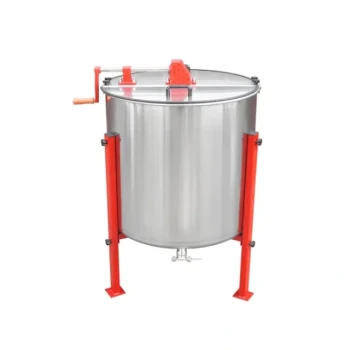
6 Frame Manual Stainless Steel Honey Extractor Beekeeping Equipment
Item Number: HE-6M
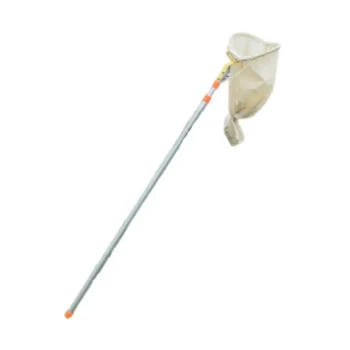
HONESTBEE Professional Telescopic Pole Bee Swarm Catcher
Item Number: SCB-1
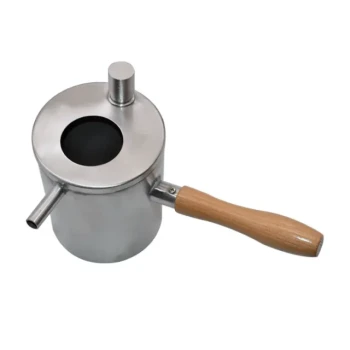
Professional Stainless Steel Wax Melter for Beekeeping and Crafts
Item Number: BWM-5
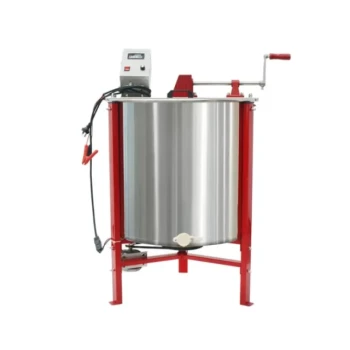
HONESTBEE 8 Frame Electric and Manual Three Use Honey Extractor
Item Number: HE-8MEA
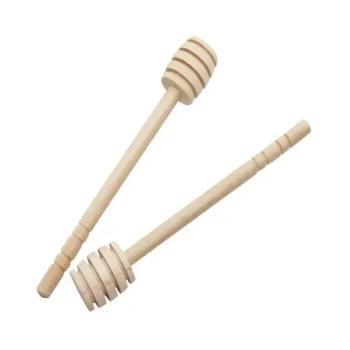
Natural Wood Honey Dipper for Tea Coffee and Desserts
Item Number: HB-2

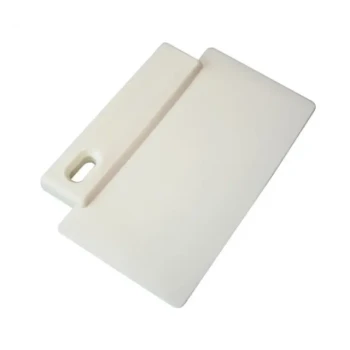
Professional Wide Blade Honey Scraper for Beekeeping and Honey Processing
Item Number: HHS-2

Compact Circular Bee Mite Treatment Dispenser
Item Number: MDV-2

HONESTBEE 2 Frame Manual Acrylic Honey Extractor Beekeeping Equipment
Item Number: HE-2MT
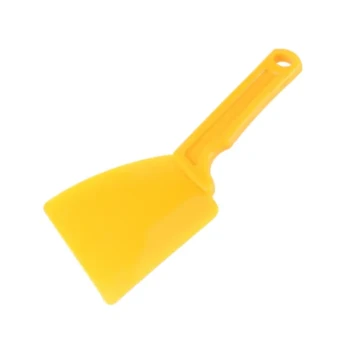
Professional Honey Scraper for Efficient Apiary Maintenance
Item Number: HHS-1

Premium Diamond-Faceted Glass Honey Dispenser
Item Number: AHS-2
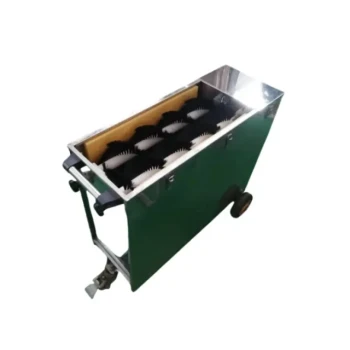
Commercial Grade Vertical Electric Bee Sweeper for Bee Removal
Item Number: FSD-2
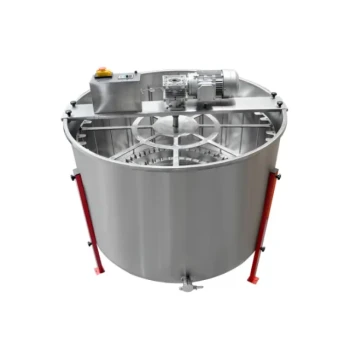
40 Frame Commercial Electric Honey Extractor for Beekeeping
Item Number: HE-40E

Professional Plastic Honey Dipper for Easy Honey Drizzling
Item Number: HB-7
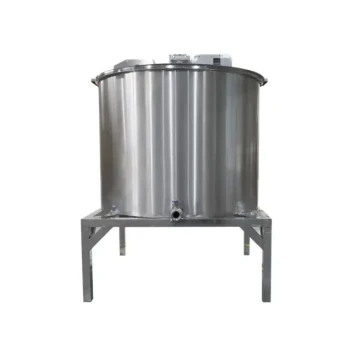
32 Frame Commercial Electric Honey Extractor for Beekeeping and Honey Production
Item Number: HE-32E
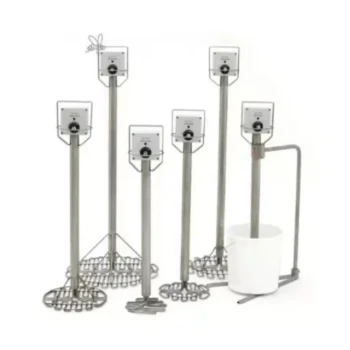
HONESTBEE Commercial Upright Honey Melter
Item Number: HHT-5
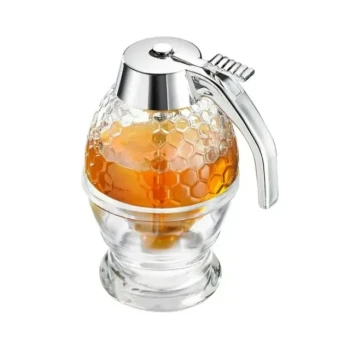
Honeycomb Style Drip Free Honey Dispenser
Item Number: AHS-1
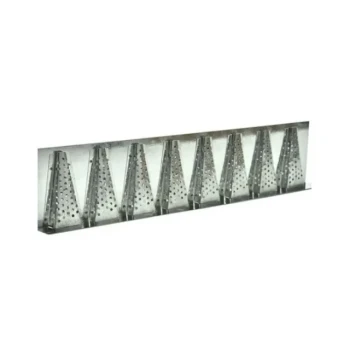
8-Cone Galvanized Steel Bee Robber Guard
Item Number: TAR-1
Why Choose Our Solar Beeswax Melters?
Our solar beeswax melters are engineered to provide the most efficient and sustainable way to melt beeswax. Here’s a detailed look at what makes our products stand out:
Features
- High-Strength Double-Glazed Glass: Reaches temperatures up to 120°C under direct sunlight, ensuring efficient melting.
- Stainless Steel Plate: Provides uniform heat distribution for consistent results.
- Durable Wax Tray: Offers ample space for melting wax from hive frames, making cleaning easy.
Principle
A solar wax melter operates by harnessing the sun's energy to melt beeswax. The device typically consists of a container with a glass or plastic covering and a small inner container where the melted wax collects. As the sun heats the device, the wax melts and drips into a pan of water, often passing through a filter to ensure purity.
Advantages
- Sustainability: Reduces the energy footprint by using renewable solar energy.
- High-Quality Wax: The slow and controlled melting process ensures clean and pure wax free from contaminants.
- Versatility: Compatible with frames from different hive systems and can be expanded for larger volumes of wax.
- Low Maintenance: The solar heat does most of the work, requiring minimal upkeep.
- Environmentally Friendly: Operates without the need for additional energy sources.
Applications
Our solar beeswax melters are perfect for a variety of applications, including:
- Beekeeping: Ideal for beekeepers with large quantities of raw wax.
- Crafting: Produces high-quality wax for making candles, cosmetics, and more.
Customizable Services
We understand that every beekeeper and crafter has unique needs. That’s why we offer customizable solutions to ensure our products meet your specific requirements. Whether you need a larger capacity or additional features, we can tailor our solar wax melters to fit your needs.
Get Started Today
Ready to experience the benefits of our solar beeswax melters? Contact us to learn more about our products and how we can help you achieve sustainable, high-quality wax production. Our team of experts is here to answer any questions and guide you through the process. Don’t wait—embrace eco-friendly beekeeping and crafting with our top-of-the-line solar wax melters.
FAQ
What Is The Principle Of A Solar Beeswax Melter?
A solar beeswax melter uses sunlight to melt beeswax, creating clean wax without additional energy sources. It typically consists of a container with a glass or plastic covering and a small inner container where melted wax collects. The heat from the sun melts the wax, which then drips into a pan of water, often passing through a filter.
What Are The Advantages Of Using A Solar Beeswax Melter?
The benefits of using a solar beeswax melter include sustainability, as it reduces the energy footprint by harnessing renewable solar energy; high-quality wax, as the slow and controlled melting process ensures clean and pure wax free from contaminants; and versatility, as it is compatible with frames from different hive systems and can be expanded for larger volumes of wax. Additionally, it is environmentally friendly, requires no energy, and is low maintenance, making it suitable for beginners.
What Are The Applications Of A Solar Beeswax Melter?
A solar beeswax melter is used to melt beeswax using the heat of the sun, especially useful for beekeepers with large quantities of raw wax. The wax is placed in a pan inside the melter, and the melted wax is collected in a tray as it cools and solidifies. This purified wax can then be reused in various applications such as candles and cosmetics.
What Are The Main Features Of A Solar Beeswax Melter?
The main features of a solar beeswax melter include high-strength double-glazed glass that reaches up to 120°C under direct sunlight, a stainless steel plate for uniform heat distribution, and a durable wax tray that provides ample space for melting wax from hive frames. These features ensure efficient, even melting and easy cleaning.
REQUEST A QUOTE
Our professional team will reply to you within one business day. Please feel free to contact us!
Related Articles
How to Choose Beekeeping Tools: A Practical Guide for Every Budget and Climate
Learn how to choose the best beekeeping tools for your budget and climate, from protective gear to hive management essentials.
Read more
How to Choose Between Roller and Press Systems for Perfect Beeswax Sheets
Compare roller vs. press systems for beeswax sheets—ideal for candle making or cosmetics. Learn speed, cost & quality trade-offs for commercial production.
Read more
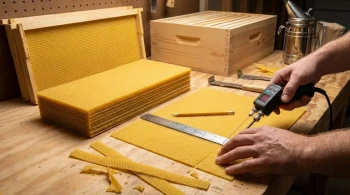
How to Cut Beeswax Foundations for Perfect Hive Compatibility Every Time
Learn professional techniques for cutting beeswax foundations to ensure hive compatibility, prevent warping, and boost colony productivity.
Read more
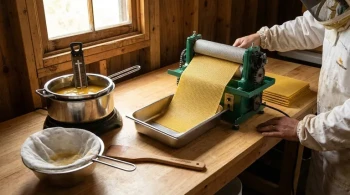
How to Choose and Use Budget-Friendly Tools for Durable Beeswax Foundations
Learn budget-friendly techniques for crafting durable beeswax foundations with essential tools, temperature control, and step-by-step workflows.
Read more
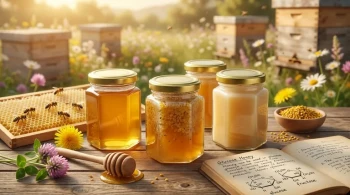
Why Honey Crystallizes Differently—And How to Manage It Naturally
Learn why honey crystallizes differently based on sugar composition and floral source, plus natural storage and decrystallization tips.
Read more
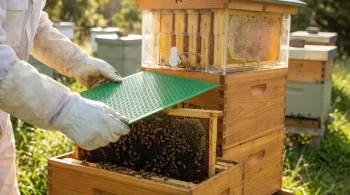
Strategic Queen Excluder Use in Flow Hives: Preventing Brood Contamination Without Triggering Swarms
Learn how to strategically use queen excluders in Flow Hives to prevent brood contamination while minimizing swarming risks for optimal honey production.
Read more
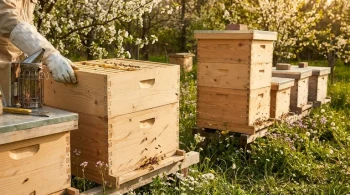
How to Expand Your Beehives in Spring Without Triggering Swarms
Learn how to expand beehives in spring using 8-frame systems to prevent swarming and boost honey production with sustainable hive management.
Read more
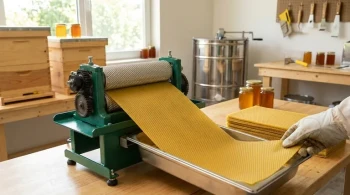
How Beeswax Foundation Machines and Smart Equipment Transform Beekeeping Efficiency
Discover how beeswax foundation machines and smart beekeeping equipment enhance efficiency, colony health, and honey production for commercial apiaries.
Read more
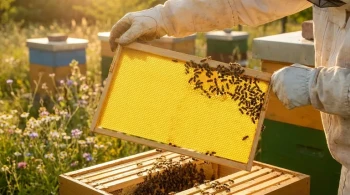
How Precision-Engineered Beeswax Sheets Boost Hive Health and Honey Production
Discover how precision-engineered beeswax sheets enhance hive health, boost honey production, and reduce beekeeping costs with uniform cell depth.
Read more
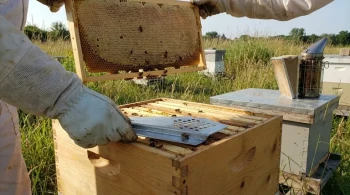
How to Clear Honey Supers Humanely: Reliable Methods & Troubleshooting
Learn humane methods to clear honey supers without stressing bees, including bee escapes, fume boards, and troubleshooting tips for stubborn colonies.
Read more
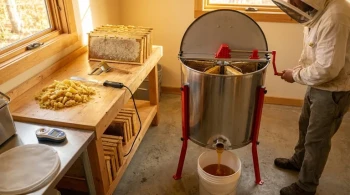
How to Optimize Honey Extraction Without Compromising Quality
Learn field-tested honey extraction methods to maximize yield while preserving quality, from uncapping tools to filtration and bottling.
Read more
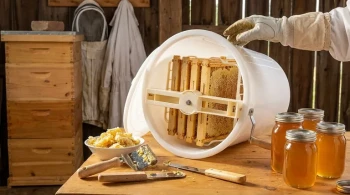
How to Extract Honey Safely Without Damaging Equipment or Hives
Professional honey extraction techniques to maximize yield while protecting combs and hive health. Learn damage-free harvesting and sustainable hive management.
Read more
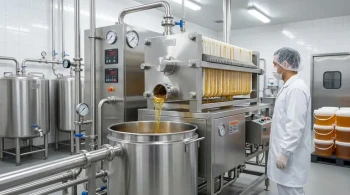
How Professional Honey Filtration Preserves Quality While Meeting Food Safety Standards
Learn professional honey filtration techniques that preserve quality while meeting food safety standards for commercial beekeepers.
Read more
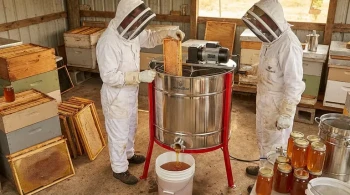
How to Choose the Right Honey Processing Method for Your Apiary
Learn how to choose the best honey processing method for your apiary—balancing quality, efficiency, and budget for small to large-scale operations.
Read more
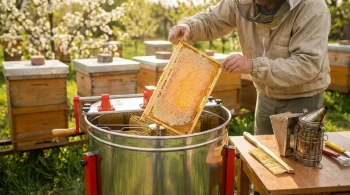
How to Harvest Honey Ethically: Bee-Friendly Techniques for Healthy Colonies
Learn ethical honey harvesting techniques to protect bee colonies while maximizing yield. Discover comb readiness tests, bee-friendly removal methods, and post-harvest care.
Read more
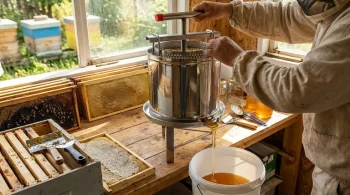
How Honey Screw Presses Solve Hygiene, Durability, and Efficiency Challenges for Small Beekeepers
Modern honey screw presses enhance hygiene, durability & efficiency for small beekeepers with stainless steel designs and space-saving features.
Read more
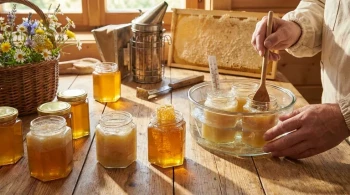
How to Manage Honey Crystallization Without Compromising Quality
Learn how to manage honey crystallization naturally while preserving quality. Discover safe decrystallization methods and storage tips for beekeepers.
Read more
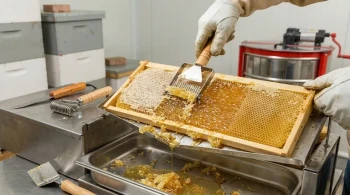
How to Master Wax Cap Removal: Advanced Techniques for Higher Honey Yields
Master wax cap removal techniques to maximize honey yields, preserve comb integrity, and streamline your beekeeping workflow with professional-grade methods.
Read more
How Royal Jelly Controls Honeybee Castes: Science & Practical Beekeeping Methods
Discover how royal jelly's bioactive compounds control honeybee caste development and learn science-backed beekeeping methods for optimal colony management.
Read more
How to Improve Queen-Rearing Success: Biologically Optimized Grafting Techniques
Boost queen-rearing success with science-backed grafting techniques focusing on larval biology, tool prep, and colony conditions for higher acceptance rates.
Read more
Hot Tags
wax warmer
solar beeswax melter
solar wax melter
beeswax melter
wax melter
styrofoam bee hives
hive stand
queen marking pens
wax foundation roller
honey bee box
queen rearing kits
hive tool beekeeping
uncapping tub
pressing honey
queen cage
bee venom collector
wooden bee hive
honey warmer
flow beehive
honey dehumidifier
bee shoes
beekeeping queen excluder