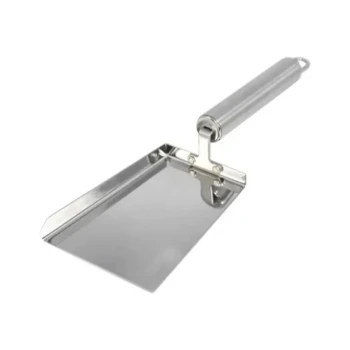
Industrial-grade feeding tools and pollen substitutes are critical infrastructure for ensuring colony continuity. During seasonal nectar shortages, these interventions provide the essential nutrition required to prevent the queen from ceasing egg production. By bridging these environmental gaps, beekeepers maintain colony population and strength, ensuring the hive is fully prepared to maximize foraging capacity as soon as the next major honey flow begins.
The true value of these tools extends beyond simple survival; they are about momentum preservation. By artificially sustaining the brood-rearing cycle, you prevent the colony from entering a dormant recovery phase, ensuring a workforce that is ready to perform immediately when natural resources return.
Preserving Colony Momentum
The primary risk during a nectar dearth is not just immediate starvation, but a lag in future productivity.
Sustaining the Brood Cycle
The queen bee’s egg-laying rhythm is directly tied to the incoming resource flow. When natural pollen and nectar become scarce, the queen instinctively slows or stops laying eggs to conserve resources.
Industrial feeding tools bypass this biological trigger. By delivering a consistent supply of substitutes, you simulate a resource-rich environment, compelling the queen to maintain her laying rhythm and preventing a collapse in the colony's future workforce.
Ensuring Future Foraging Capacity
A colony that shrinks during a shortage must spend the first weeks of the next bloom rebuilding its population. This results in missed production opportunities.
By maintaining colony strength through the shortage, you ensure high foraging capacity the moment the next flow begins. The colony shifts immediately to harvesting rather than recovering.
The Role of Precision Delivery Systems
Industrial-grade tools differ from amateur methods by focusing on efficiency, consistency, and scale.
Uniform Distribution
Specialized equipment is designed to distribute artificial feed and supplements evenly within the hive. This ensures that resources are easily accessible to the bees, reducing the energy expenditure required for them to feed.
Preventing Migration and Desertion
When resources hit critical lows due to drought or extreme weather, colonies often attempt to migrate or may abscond entirely.
Reliable feeding systems anchor the colony to the hive. By offsetting environmental stress with precise nutritional delivery, you significantly reduce the risk of mortality and total hive desertion.
Nutritional Complexity and Royal Jelly
Pollen substitutes are not merely "filler"; they are complex biological inputs designed to replicate specific nutritional profiles.
Supporting Royal Jelly Secretion
Commercial feeds are often fortified with lipids (such as flaxseed or palm oil), proteins, and vitamins. These nutrients are vital for young worker bees, who require high energy reserves to secrete royal jelly.
Maintaining Biological Activity
Quality pollen substitutes ensure the royal jelly produced retains specific biological activities and antimicrobial properties.
Specifically, proper nutrition supports the production of 10-HDA (10-hydroxy-2-decenoic acid), a critical component of royal jelly. This ensures that the brood reared on this jelly remains healthy and robust, even when natural pollen is unavailable.
Understanding the Trade-offs
While essential for commercial stability, reliance on artificial feeding requires careful management.
Labor and Logistics
Implementing emergency feeding systems increases the logistical burden on the operation, particularly in nomadic beekeeping. While efficient systems help offset this, the labor cost of monitoring and refilling feeders must be calculated against potential yield losses.
Nutritional Limitations
Artificial supplements are a bridge, not a perfect replacement. While they maintain energy metabolism and brood rearing, they cannot perfectly replicate the diverse micronutrient profile of natural floral sources. Long-term reliance without eventual access to natural forage can affect colony vitality.
Making the Right Choice for Your Goal
Selecting the right feeding strategy depends on your specific operational objectives.
- If your primary focus is Commercial Honey Production: Prioritize feeding to maintain peak population numbers so the colony is at maximum strength before the flow starts.
- If your primary focus is Royal Jelly Production: Select pollen substitutes rich in essential lipids and proteins to ensure high levels of 10-HDA and antimicrobial properties in the jelly.
- If your primary focus is Colony Survival (Wintering): Focus on specialized syrup delivery to improve energy metabolism and winter survival rates, mitigating the effects of poor autumn foraging.
Strategic feeding transforms seasonal scarcity from a crisis into a manageable variable, granting you control over the consistency of your production.
Summary Table:
| Component | Key Function | Primary Benefit |
|---|---|---|
| Industrial Feeding Tools | Consistent, large-scale nutrient delivery | Prevents queen egg-laying pauses and hive desertion |
| Pollen Substitutes | Replicates natural nutritional profiles | Supports 10-HDA levels and royal jelly secretion |
| Precision Delivery | Uniform distribution across frames | Reduces bee energy expenditure and minimizes labor |
| Fortified Nutrients | Lipids, proteins, and essential vitamins | Ensures robust brood health and antimicrobial activity |
Scale Your Beekeeping Operation with HONESTBEE
Maximize your colony's potential even during the toughest nectar shortages. HONESTBEE specializes in supporting commercial apiaries and distributors with a comprehensive range of high-performance beekeeping tools and machinery. From specialized hive-making and honey-filling machines to premium industrial feeding systems and industry-essential consumables, we provide the infrastructure you need to maintain momentum and ensure peak production.
Partner with us to secure your supply chain and enhance hive efficiency.
Contact HONESTBEE Today for Wholesale Solutions
References
- Ahmed Gawad, Mohamed F. M. Zawrah. First Survey of Nectar and Pollen Sources for Honeybees in Matrouh Province of West Northern Egypt. DOI: 10.21608/jppp.2022.131859.1065
This article is also based on technical information from HonestBee Knowledge Base .
Related Products
- Stainless Steel Pollen Shovel with Wooden Handle
- Heavy-Duty Ergonomic Grip Galvanized Pollen Shovel
- Heavy-Duty Ergonomic Stainless Steel Pollen Shovel
- Removable Plastic Pollen Trap With Ventilated Tray for Bees Pollen Collector
- Plastic Bee Pollen Trap Strips Comb Catcher Collector
People Also Ask
- How do bee pollen collection tools affect the quality of bee pollen used in functional dairy ice cream production?
- Why should commercial apiaries focus on the collection of diversified bee products? Maximize Your Hive’s Profit Potential
- How does a specialized pollen collector facilitate the harvesting of diverse bee products? Automate High-Value Yields
- What is the impact of pollen collectors and associated equipment on the cost structure of pollen production? Maximize ROI
- What is the technical significance of using specialized cutting tools for propolis? Master Precision Pollen Harvesting