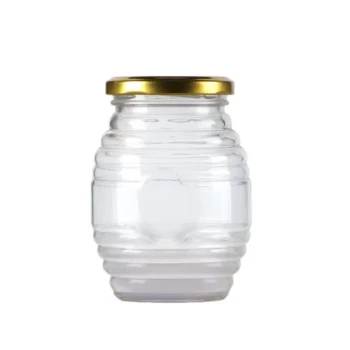
The primary purpose of using a wide-mouth sampling jar with a 0.5 x 0.5 mm mesh lid is to function as a precise mechanical filter. It allows dislodged Varroa mites and excess powdered sugar to fall through into a collection container while safely retaining the adult honey bees inside the jar.
This specific mesh aperture is the critical component for non-destructive monitoring. It enables beekeepers to physically separate parasites from their hosts, allowing for an accurate infestation count while preserving the life of the sampled bees so they can be returned to the colony.
The Mechanics of Separation
The "Goldilocks" Aperture
The 0.5 x 0.5 mm mesh size is engineered with specific dimensions in mind. It is large enough to allow the small, flat bodies of Varroa mites to pass through without obstruction.
Simultaneously, the openings are too small for adult honey bees to escape. This ensures that the biological sample (the bees) and the target pest (the mites) are effectively segregated during the process.
Facilitating the Sugar Shake
This equipment is central to the "sugar roll" or "sugar shake" method. In this process, powdered sugar is used to coat the bees, creating physical friction that dislodges the mites.
The mesh lid allows the excess sugar and the falling mites to exit the jar during agitation. This leaves the bees clean enough to return to the hive and deposits the mites onto a white surface for easy counting.
Ensuring Visual Clarity
Counting mites while they are attached to bees is difficult and prone to error. By filtering the mites out of the jar, the mesh lid isolates the variable you are trying to measure.
This separation creates a clear visual field in the collection tray. It removes the visual "noise" of the live bees, significantly improving detection efficiency and count accuracy.
Operational Considerations
The Necessity of Agitation
The mesh lid is a passive filter; it requires active mechanical force to work.
For the 0.5 mm aperture to be effective, the user must vigorously shake the jar. This agitation is required to dislodge the mites and force them through the mesh screen.
Material Flow and Clogging
The design allows for the passage of fine particulate matter, specifically powdered sugar.
However, the efficacy of the filter depends on the sugar remaining dry. If the sugar clumps due to moisture, it can block the 0.5 mm openings, trapping mites inside the jar and leading to inaccurate low counts.
Making the Right Choice for Your Goal
When selecting equipment for apiary management, understanding the tool's intent ensures better data.
- If your primary focus is Colony Preservation: This mesh size is non-negotiable, as it is the standard for the sugar roll method which allows you to return live bees to the hive.
- If your primary focus is Data Accuracy: Ensure you shake the jar vigorously for the recommended duration, as the mesh relies on physical momentum to separate the mites effectively.
By using this specialized lid, you transform a simple jar into a precision instrument that balances accurate diagnostics with sustainable colony management.
Summary Table:
| Feature | Specification | Role in Varroa Detection |
|---|---|---|
| Aperture Size | 0.5 x 0.5 mm | Filters mites and sugar while retaining adult bees |
| Method Compatibility | Sugar Roll / Shake | Enables non-destructive sampling for colony health |
| Filtering Efficiency | High Precision | Separates parasites from hosts for clear visual counting |
| Maintenance | Moisture Control | Prevents clogging to ensure accurate infestation data |
Optimize Your Apiary Management with HONESTBEE
At HONESTBEE, we understand that precision is the foundation of a healthy apiary. As a premier provider for commercial apiaries and distributors, we offer a comprehensive wholesale range of professional-grade beekeeping tools, from specialized Varroa monitoring kits to industrial honey-filling machines and hive-making equipment.
Whether you are scaling your commercial operations or supplying the next generation of beekeepers, our hardware and industry consumables are designed for durability and accuracy. Contact us today to discuss our wholesale offerings and discover how our expertise can streamline your beekeeping success!
References
- Selvinar SEVEN-ÇAKMAK. BAL ARISI (Apis mellifera anatoliaca) KOLONİLERİNDE PUDRA ŞEKERİ YÖNTEMİ İLE VARROA (Varroa destructor) BULAŞIKLIK SEVİYESİNİN BELİRLENMESİ VE KOLONİ SEÇİMİ. DOI: 10.31467/uluaricilik.373723
This article is also based on technical information from HonestBee Knowledge Base .
Related Products
- Classic Round Glass Honey Jar with Lid
- Hexagonal Glass Honey Jar with Wooden Lid Integrated Dipper Elegant Functional Storage
- Classic Beehive Honey Bottle Jar with Squeeze Dispenser Lid
- Classic Drum Shaped Glass Honey Jar with Airtight Lid
- Hexagonal Glass Honey Jars with Metal Lug Caps Elegant Versatile Packaging
People Also Ask
- What is the aesthetic appeal of using glass jars for honey? Elevate Your Brand with Premium Packaging
- What are the advantages of glass containers for honey? Elevate Quality and Market Value with Premium Packaging
- How does the appearance of glass jar packaging affect the sales and perception of honey? Boost Your Premium Brand Value
- Why is a glass jar preferred for packaging honey? Ultimate Protection for Purity & Flavor
- What are the advantages of using high-quality glass containers in the commercial packaging of honey? Boost Premium Value