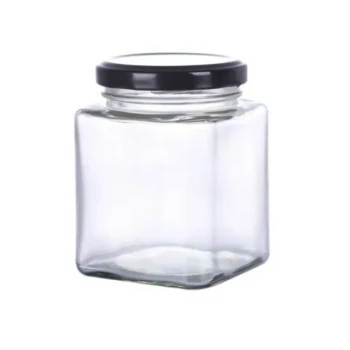
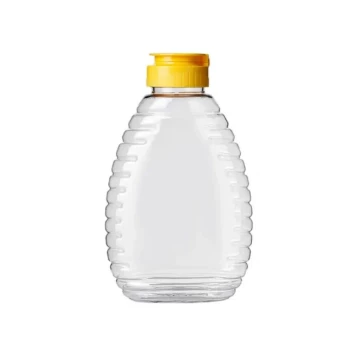
Glass offers superior chemical stability and barrier protection, ensuring the long-term preservation of honey’s volatile aromatics and flavor profile. Functionally, it serves as a visual indicator of quality, allowing for premium market positioning and higher retail pricing that plastic alternatives cannot achieve.
The core advantage of glass lies in its neutrality: it provides an impermeable barrier that protects the honey's complex chemistry from oxidation and leaching, while simultaneously acting as a psychological signal of high value to the consumer.
The Science of Preservation
Unmatched Chemical Inertness
Glass is non-reactive and chemically inert, meaning it will not interact with the acidic substances or organic compounds found in honey.
Unlike plastic, which carries a risk of leaching chemicals into the product and altering the taste, glass guarantees the purity of the honey remains compromised.
Superior Barrier Properties
Honey contains volatile components that define its specific aroma and flavor. Glass containers offer superior gas barrier properties, effectively preventing these volatile elements from escaping.
Furthermore, glass is non-porous. This creates an airtight environment that blocks oxygen entry, significantly slowing down the oxidative browning process that degrades honey quality over time.
Prevention of Crystallization
Plastic is naturally porous and allows for the gradual evaporation of the honey's water content. This moisture loss often accelerates unwanted crystallization.
Glass maintains a consistent internal environment. By retaining water content and preventing air exchange, glass helps maintain the honey's natural liquid consistency for longer periods.
Visual and Economic Advantages
The "Quality Signal" and Pricing
Packaging is a critical factor in the consumer's perception of value. Glass acts as a powerful quality signal that elevates the sensory evaluation of the product.
This perception allows producers to position their honey in the luxury or gift-grade market. Consequently, utilizing glass supports higher retail pricing strategies compared to honey sold in plastic bulk containers.
Transparency and Consumer Trust
High-transparency glass allows for the direct visual inspection of the product.
Consumers use visual cues—such as color, clarity, and consistency—to judge quality before purchasing. Glass lowers the decision-making threshold by showcasing the honey’s natural aesthetic without obstruction or haze.
Operational and Thermal Resilience
High-Temperature Filling
Glass containers can withstand significantly higher filling temperatures than plastic without deformation.
This thermal stability is crucial for producers who pasteurize or bottle honey while warm to facilitate flow, ensuring the container maintains its structural integrity during the packing process.
Hermetic Sealing
Glass allows for superior sealing properties compared to plastic.
A rigid glass rim supports a tighter, more reliable airtight seal. This protects the product from external odors and contaminants, ensuring stability throughout storage and transportation.
Understanding the Trade-offs
While glass is the superior technical choice for quality, it presents specific logistical challenges that must be managed.
Weight and Logistics
Glass is significantly heavier than plastic. This increases shipping costs and makes handling more labor-intensive throughout the supply chain.
Fragility and Safety
Glass is susceptible to shattering. This introduces a risk of breakage during filling, shipping, and consumer handling, necessitating more robust protective packaging than plastic requires.
Making the Right Choice for Your Goal
The decision between glass and plastic depends on your specific market positioning and distribution model.
- If your primary focus is Premium Positioning: Choose glass to maximize shelf-life, preserve complex aromas, and command a higher retail price point.
- If your primary focus is Cost Efficiency: Plastic may be preferable for bulk sales where lowering shipping weight and preventing breakage are prioritized over aesthetic appeal.
Ultimately, glass is the definitive material for producers who prioritize the chemical integrity and sensory experience of their honey.
Summary Table:
| Feature | Glass Containers | Plastic Containers |
|---|---|---|
| Chemical Stability | Inert; no leaching or reactivity | Risk of chemical migration |
| Barrier Properties | Impermeable; preserves volatiles | Naturally porous; moisture loss |
| Shelf-Life | Long-term flavor & aroma retention | Shorter; prone to oxidation |
| Thermal Resistance | High; allows warm-filling/pasteurization | Low; prone to deformation |
| Market Position | Premium/Gift-grade (Higher Pricing) | Economy/Bulk-grade (Lower Pricing) |
| Durability | Fragile; requires careful handling | Robust; impact resistant |
Scale Your Honey Brand with HONESTBEE Professional Solutions
Transitioning to premium glass packaging requires the right tools and infrastructure. HONESTBEE specializes in supporting commercial apiaries and distributors with high-performance honey-filling machines, specialized hardware, and a complete range of professional beekeeping equipment.
Whether you are looking to upgrade your production line for glass bottling or need a reliable wholesale supplier for industry consumables and hive-making machinery, we deliver the expertise you need to succeed in the premium market.
Ready to elevate your honey production? Contact us today to explore our wholesale solutions!
References
- Petjon Ballco, Tiziana de‐Magistris. Investigating the price effects of honey quality attributes in a European country: Evidence from a hedonic price approach. DOI: 10.1002/agr.21760
This article is also based on technical information from HonestBee Knowledge Base .
Related Products
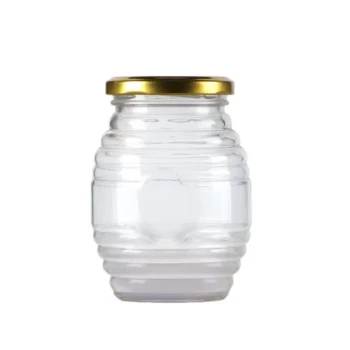
- Classic Drum Shaped Glass Honey Jar with Airtight Lid
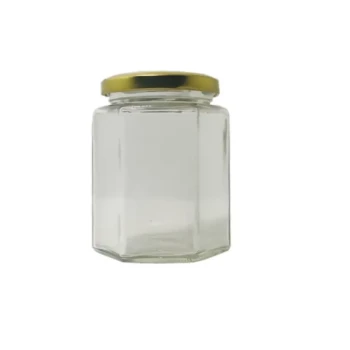
- Hexagonal Glass Honey Jars with Metal Lug Caps Elegant Versatile Packaging
- Classic Glass Honey Jar with Metal Lug Cap for Beehive Storage
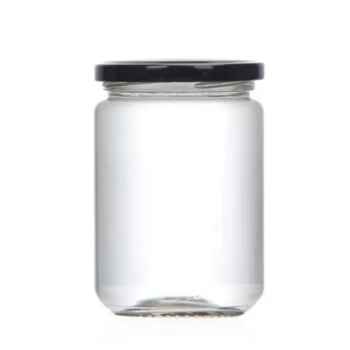
- Classic Round Glass Honey Jar with Lid
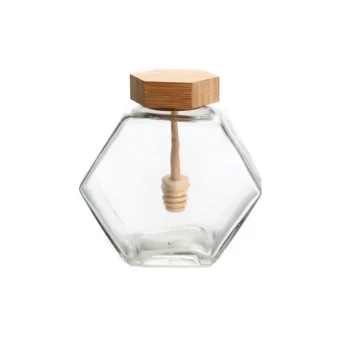
- Hexagonal Glass Honey Jar with Wooden Lid Integrated Dipper Elegant Functional Storage
People Also Ask
- What is the best utensil to store honey? Preserve Purity with the Right Container
- How does the appearance of glass jar packaging affect the sales and perception of honey? Boost Your Premium Brand Value
- Why is a glass jar preferred for packaging honey? Ultimate Protection for Purity & Flavor
- What is the aesthetic appeal of using glass jars for honey? Elevate Your Brand with Premium Packaging
- What is the best way to pack honey? Preserve Quality and Manage Crystallization