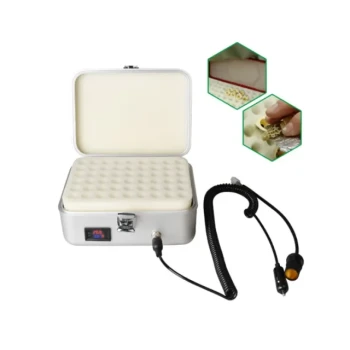
Constant-temperature light-shielded incubators provide two critical conditions: a precise thermal environment of 35°C and complete protection from light. The temperature setting simulates the internal heat generated by honeybee biological activities, allowing for the collection of ecologically valid diffusion data. Simultaneously, the dark environment prevents the photochemical degradation of phenolic compounds, ensuring the chemical stability required for long-duration experiments.
By replicating the specific thermal environment of a living hive while eliminating light interference, these incubators ensure that observed diffusion rates reflect biological reality rather than experimental error or chemical degradation.
Simulating the Biological Environment
Replicating Internal Hive Heat
The primary condition provided is a stable temperature of 35°C. This is not an arbitrary figure; it is the specific temperature required to simulate the actual internal environment maintained by honeybees.
Achieving Ecological Relevance
Diffusion is a temperature-dependent process. By fixing the temperature at 35°C, researchers can obtain diffusion kinetic data that is ecologically relevant. This ensures the findings are applicable to real-world hive dynamics rather than just theoretical laboratory conditions.
Preserving Chemical Integrity
Preventing Photochemical Degradation
Phenolic substances are chemically complex and often sensitive to light exposure. The incubator's light-shielding capability is essential to prevent these compounds from breaking down via photochemical reactions.
Ensuring Long-Term Stability
Experiments regarding diffusion often require long durations to complete. Without a light-shielded environment, the phenolic compounds could degrade over time, compromising the reliability and stability of the experimental results.
Understanding the Trade-offs
The Necessity of Strict Control
While these incubators provide high precision, they create a static environment. A real beehive is a dynamic system with minor fluctuations. However, for the purpose of studying diffusion kinetics, consistency is prioritized to isolate the variables being tested.
Dependence on Calibration
The validity of the data rests entirely on the equipment's accuracy. A minor drift in temperature from 35°C or a small light leak can render kinetic data invalid, making regular calibration of the incubator essential.
Making the Right Choice for Your Goal
To ensure your experimental design yields valid data, consider the following focus areas:
- If your primary focus is Biological Accuracy: Ensure the incubator is calibrated strictly to 35°C to mirror the metabolic heat of the colony.
- If your primary focus is Chemical Purity: Verify the integrity of the light-shielding seals to prevent UV or visible light from altering your phenolic samples.
Rigorous control of these two environmental variables is the only way to bridge the gap between laboratory simulation and natural hive activity.
Summary Table:
| Key Feature | Experimental Requirement | Impact on Results |
|---|---|---|
| Precise Temperature | Constant 35°C | Simulates biological heat; ensures ecological relevance |
| Light Shielding | Complete Darkness | Prevents photochemical degradation of phenolic compounds |
| Atmospheric Control | Static/Isolated | Eliminates external variables for stable kinetic data |
| Long-term Stability | High-precision Seals | Ensures chemical integrity during long-duration experiments |
Elevate Your Beekeeping Operation with HONESTBEE
At HONESTBEE, we understand that precision is the foundation of a successful apiary business. Whether you are a commercial apiary seeking advanced honey-filling machines or a distributor looking to supply high-quality beekeeping tools and hive-making machinery, we offer a comprehensive wholesale portfolio tailored to your needs. From essential industry consumables to specialized hardware and unique honey-themed cultural merchandise, we provide the tools to help you succeed.
Ready to scale your production? Contact us today to discover how our premium equipment and global supply chain expertise can bring unparalleled value to your beekeeping enterprise.
References
- Petra Urajová, Václav Krištůfek. Propolis as a Key Source of p-Coumaric Acid Permeating Honey and Sucrose Syrup Stores of Honey Bees. DOI: 10.3390/insects16111159
This article is also based on technical information from HonestBee Knowledge Base .
Related Products
People Also Ask
- What happens if a colony loses its queen during the nectar flow? A Guide to Salvaging Your Honey Harvest
- How can you tell if the worker bees have accepted the queen? Decode Bee Behavior for a Thriving Hive
- How can the queenless state of a newly created nuc be resolved? Expert Solutions for Colony Growth
- What are the primary reasons for replacing a queen bee? Boost Your Commercial Honeybee Colony's Success
- What queen bee behaviors should be observed after introduction? Ensure Hive Success with Our Expert Monitoring Guide