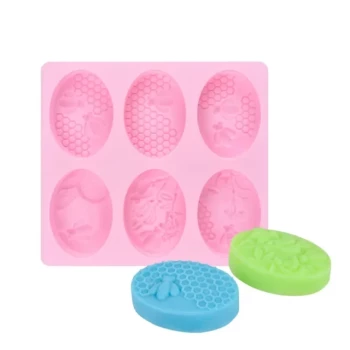
Ancient apicultural history can become a practical merchandising asset—not merely a decorative theme. Distributors and retailers can use Hittite references to honeybread (NINDA LAL), beehives (E NIM LAL), and beekeepers (LU NIM LAL) across gift boxes, display cards, labels, utensils, and educational inserts. The strongest approach combines historically grounded storytelling with scalable product formats, dependable sourcing, rapid fulfillment, and clear customization options for different retail channels.
Use ancient apicultural history as a storytelling system that connects honey with heritage, craftsmanship, and biodiversity. Build that story into coordinated merchandise and displays while preserving historical accuracy, commercial usability, and efficient wholesale fulfillment.
Turn Ancient History Into a Usable Brand Story
Build the narrative around documented themes
Historical references are most effective when they explain a recognizable aspect of apiculture rather than functioning as unexplained decoration.
For example, a collection can connect:
- NINDA LAL with honeybread, food traditions, and honey’s role in early cuisine.
- E NIM LAL with beehives, apiary structures, and the material culture of beekeeping.
- LU NIM LAL with beekeepers, skilled labor, and the continuity of apicultural knowledge.
These themes give retailers a simple narrative structure: what people made, where bees were kept, and who maintained the practice.
Use historical elements as design cues
Ancient symbols, cuneiform-inspired typography, hive illustrations, and historically influenced patterns can appear on packaging and merchandise.
They should support the product rather than overwhelm it. A short explanation on the reverse of a box or display card can provide context without turning a retail package into an academic publication.
Separate history from unsupported claims
Historical storytelling should not imply that a modern honey product is identical to an ancient one unless that claim can be substantiated.
Use careful language such as “inspired by ancient apicultural records” or “reflecting early documented honey traditions.” This protects retailer credibility and keeps the design educational rather than misleading.
Develop Merchandise That Supports Honey Sales
Create coordinated gift sets
A historical theme can unify several products into a premium gift set.
Possible components include:
- Honey jars with historical label panels.
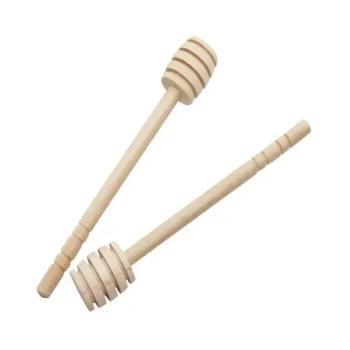
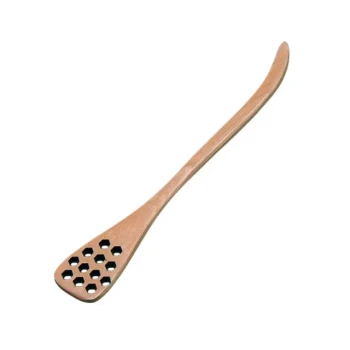
- A specialized honey spoon or serving utensil.
- A small history card explaining the selected term.
- A decorative sleeve featuring hive or beekeeper imagery.
- A reusable gift box suitable for seasonal retail programs.
The objective is to make the merchandise reinforce the core honey product instead of becoming an unrelated accessory.
Add functional retail items
Useful items often create more repeat exposure than purely decorative objects.
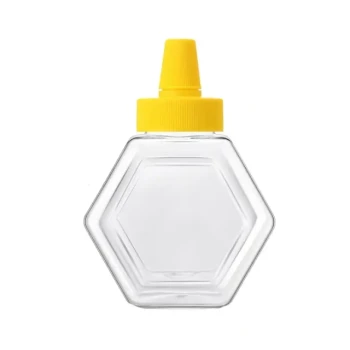
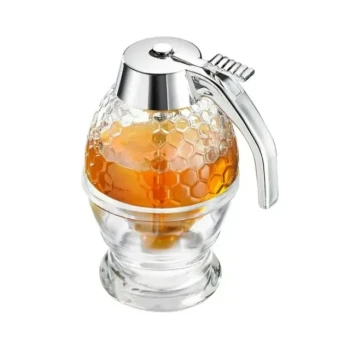
Honey spoons, serving accessories, storage containers, recipe cards, and display-ready gift packaging can extend the customer’s interaction with the brand into the home. Their commercial value comes from combining function, cultural meaning, and visual consistency.
Connect ancient themes with botanical knowledge
Ancient apicultural history can be paired with information about honey plants and traditional uses of local flora.
For example, botanical cards or product inserts can explain the relationship between flowering plants, bee activity, and honey characteristics. Where appropriate and verified, this knowledge can also support value-added products such as beeswax soaps infused with specific plant essences.
Any medicinal or functional statement should be reviewed carefully and presented according to applicable product and labeling requirements.
Design a Portfolio for B2B Resellers
Offer multiple price and complexity levels
Distributors need merchandise that works across different customer segments and order sizes.
A practical portfolio can include:
- Entry-level items: Printed inserts, stickers, postcards, recipe cards, and shelf talkers.
- Mid-range products: Branded honey spoons, small gift boxes, decorative sleeves, and educational cards.
- Premium sets: Curated gift collections, custom presentation boxes, and coordinated honey-and-beeswax assortments.
- Retail display solutions: Countertop displays, seasonal merchandising kits, and branded signage.
This tiered structure allows wholesalers to serve independent shops, museum stores, specialty grocers, hospitality businesses, and larger retail accounts from one product system.
Make customization commercially manageable
Customization should be based on repeatable modules rather than completely unique production for every customer.
Useful modules include:
- Logo placement.
- Color and pattern selection.
- Retailer-specific language.
- Regional honey or flora references.
- Standardized historical content.
- Adjustable packaging sizes.
A modular approach supports one-stop sourcing while reducing design complexity, production delays, and minimum-order barriers.
Match merchandise to sales channels
Different channels require different product priorities.
Specialty food retailers may favor gift boxes and serving accessories. Museum or heritage stores may place more emphasis on historical interpretation. Beekeepers and apiaries may prefer branded educational materials that explain local production and environmental stewardship.
Distributors can therefore create channel-specific bundles from a shared product portfolio.
Use Merchandise to Communicate Sustainability
Connect bees with biodiversity
Honey merchandise can communicate that beekeeping is connected to wider ecological systems.
Visuals and educational inserts can highlight bees, flowering plants, forests, and traditional beekeeping practices. This helps consumers understand honey as part of a living environment rather than as an isolated commodity.
Support traditional knowledge
Products can present forest beekeeping traditions, plant knowledge, and craft practices in accessible formats.
This creates a public connection with the people and environments involved in production. It can also help strengthen the perceived social and cultural value of traditional beekeeping craftsmanship.
Avoid vague environmental messaging
Sustainability claims should be specific and supportable.
Rather than using broad statements such as “eco-friendly heritage,” explain the relevant practice, material, or educational purpose. Clear communication is more credible to retailers and more useful to consumers.
Build Displays That Sell the Story
Create a simple three-part display
A strong point-of-sale display can organize the story into three sections:
- The record: Ancient references to honey, hives, or beekeepers.
- The product: The modern honey or beeswax item being sold.
- The connection: How current beekeeping continues knowledge, craft, and ecological relationships.
This structure lets customers understand the merchandise quickly while giving sales staff a clear explanation.
Use short educational copy
Display copy should be concise and readable from a retail distance.
A headline, one historical fact, one product benefit, and one sustainability connection are usually more effective than a dense block of text. Longer explanations can be placed on inserts, QR-linked pages, or product catalogs.
Give retailers ready-to-use materials
Distributors can increase adoption by supplying more than the physical products.
A complete merchandising service may include product photography, display instructions, bilingual copy options, historical background notes, suggested bundle configurations, and reorder information. This reduces the retailer’s workload and improves consistency across accounts.
Understanding the Trade-offs
Historical styling can become superficial
Cuneiform-like marks or ancient imagery may attract attention, but they have limited value if customers cannot understand their meaning.
Every major visual element should connect to a short, accurate explanation. Otherwise, the design risks appearing generic or commercially contrived.
Authenticity can conflict with modern usability
A historically inspired design may use muted colors, unfamiliar symbols, or complex layouts that reduce shelf visibility.
The solution is not to abandon authenticity. Use historical elements selectively while preserving modern requirements for legibility, product identification, nutritional information, barcode placement, and safe packaging.
Cultural narratives require responsible handling
Ancient history should be presented respectfully and without implying ownership of a tradition that the brand cannot substantiate.
Distributors should verify translations, terminology, imagery, and historical descriptions before mass production. Expert review is particularly important when using original-language terms or claims about specific practices.
Too many products can dilute the offer
A broad merchandise range may increase sourcing complexity and inventory risk.
Start with a focused collection built around a few high-utility items, then expand according to retailer reorder data and customer response. A full-spectrum portfolio is valuable only when it remains easy to select, stock, and replenish.
Premium packaging must justify its cost
Historical design can increase perceived value, but not every customer will pay for elaborate presentation.
Offer clear good-better-best options so retailers can choose between low-cost educational materials, practical accessories, and premium gift formats. This protects price flexibility across wholesale and retail markets.
How to Apply This to Your Product Portfolio
Begin with one historical theme, one core honey range, and a small set of coordinated merchandise items before developing a larger collection.
- If your primary focus is wholesale scalability: Build a modular portfolio of labels, inserts, gift boxes, display materials, and accessories that can be customized without creating excessive production complexity.
- If your primary focus is premium retail positioning: Use historically inspired packaging, curated gift sets, and functional accessories to create a higher-value honey presentation.
- If your primary focus is beekeeper and apiary branding: Connect ancient beekeeper themes with current production methods, local flora, and the expertise of modern beekeepers.
- If your primary focus is sustainability education: Pair the historical story with verified information about biodiversity, honey plants, forest practices, and the role of traditional beekeeping.
- If your primary focus is fast order fulfillment: Prioritize standardized merchandise formats, ready-to-use artwork systems, responsive customer service, and dependable replenishment programs.
When history, product design, ecological knowledge, and efficient B2B fulfillment work together, honey merchandise becomes a scalable brand-building tool rather than an added decoration.
Summary Table:
| Historical Element | Meaning | Merchandise Ideas |
|---|---|---|
| NINDA LAL | Honeybread | Recipe cards, gift boxes, baking kits |
| E NIM LAL | Beehive | Hive-shaped jars, decorative sleeves |
| LU NIM LAL | Beekeeper | Educational inserts, beekeeper figurines |
| Ancient symbols | Design cues | Labels, packaging patterns |
Ready to transform your honey line with heritage-inspired merchandise? HONESTBEE offers comprehensive wholesale solutions—from custom labels and gift boxes to full-scale production. With our one-stop sourcing, rapid fulfillment, and deep industry expertise, we help distributors and beekeepers turn cultural stories into profitable products. Contact us today to start your custom project!
Related Products
- Natural Wood Honey Dipper for Tea Coffee and Desserts
- Modern Honeycomb Pattern Wooden Honey Dipper for Stirring and Drizzling
- Heart-Shaped Comb Honey Frame and Honeycomb Cassette
- Honey Tank Heater Drum Heating Blanket for Honey Barrel
- Classic Beehive Honey Bottle Jar with Squeeze Dispenser Lid
People Also Ask
- What is the proper method for cleaning a honey dipper? Maintain Pure Flavor with These Easy Pro Tips
- What is a honey dipper? Master the Art of the Perfect Drizzle with This Essential Tool
- What is a honey taking spoon called? Discover the Tool for a Perfect, Mess-Free Drizzle
- What is a honey dipper and what is it used for? A Guide to Mess-Free Drizzling
- How do you clean and store a honey dipper? Simple Steps for Long-Lasting Performance