Commercial apiaries should combine cold treatment, clean storage, and approved biological or fumigation controls to protect drawn comb from Greater Wax Moth (Galleria mellonella) and Lesser Wax Moth (Achroia grisella). The most reliable program is to inspect and clean frames, kill existing eggs and larvae with validated cold treatment, then store the frames in a controlled, moth-resistant environment.
Core takeaway: Cold storage or deep-freezing is generally the safest primary defense for comb intended for honey production. Clean frames, strong storage discipline, and carefully controlled secondary treatments reduce reinfestation and protect the value of drawn comb.
Why Stored Frames Are Especially Vulnerable
Colonies normally suppress wax moths
Strong, active colonies remove or kill many wax moth eggs and larvae. Stored frames lose that biological protection, making idle supers and brood comb highly vulnerable.
Damage begins inside the comb
Wax moth larvae tunnel through cells, produce silk webbing, and form cocoon clusters. Severe infestations can destroy drawn wax, weaken wooden frames, and damage hive equipment.
Warm, dark storage increases risk
Warm and poorly ventilated storage conditions favor moth development. Wax debris, old cocoons, and unoccupied brood comb provide additional food and shelter.
Build a Commercial Protection Program
Inspect and clean frames before storage
Remove silk tunnels, cocoon clusters, wax debris, and damaged material with frame scrapers and hive tools. Cleaning reduces existing infestation pressure and makes later inspections more reliable.
Frames showing active larvae should be isolated from clean inventory. Do not place questionable frames into a common storage stack.
Use cold treatment as the primary control
Deep-freezing is a practical chemical-free method for killing wax moth eggs, larvae, pupae, and adults. Commercial operations may use protocols such as approximately −18 to −20°C for a validated exposure period, commonly ranging from about 24 to 48 hours depending on equipment and operating guidance.
Some references also describe shorter cold-shock protocols at approximately −20°C for six hours or +5°C for 20 hours. Because efficacy depends on the coldest point inside the stack, freezer performance, load size, and exposure time, apiaries should follow a validated protocol rather than rely on the air temperature alone.
Prevent reinfestation after freezing
Freezing kills the insects already present; it does not prevent new moths from entering later. After treatment, place frames in tightly sealed, moth-resistant bags, containers, or equipment stacks.
Check seals and containers regularly. A small opening can allow adult moths to reinfest otherwise protected comb.
Select the Right Storage Environment
Use climate-controlled cold storage when possible
Commercial cold rooms or freezers provide consistent temperature control for large frame inventories. They are particularly valuable when freezer capacity is insufficient for the entire off-season stock.
Maintain inventory records showing treatment dates, storage locations, and inspection status. This supports predictable order fulfillment and reduces the risk of untreated frames entering production.
Use ventilated racks for non-refrigerated storage
Where cold storage is unavailable, use robust frame racks or storage enclosures that promote airflow and light exposure. Storing supers on their sides or with deliberate spacing can make conditions less favorable to larvae.
Ventilation helps limit humidity buildup, but open rack storage is not equivalent to sealed fumigation. The selected method must match the storage objective.
Seal equipment correctly for fumigation
Fumigation requires an adequately sealed stack, hive body, or chamber so the treatment concentration remains effective. Loose-fitting equipment can make treatment unreliable and expose workers to hazardous vapors.
Use only products legally approved for the intended application and follow the product label, including exposure, ventilation, re-entry, and residue requirements.
Consider Biological and Fumigation Treatments
Use Bacillus thuringiensis products where appropriate
A registered biological treatment containing Bacillus thuringiensis can be applied to both sides of comb when the product label permits that use. Bt targets wax moth larvae and is useful as part of an integrated program.
Bt should not be treated as a complete substitute for inspection and cold treatment. It primarily addresses larvae, so frames may still require a separate method to control eggs and reinfestation.
Treat honey-production equipment conservatively
Frames and supers intended for human honey production require special attention to residue and contamination risk. Any chemical treatment must be explicitly approved for that use and compatible with the product label and local food-safety requirements.
When suitability is uncertain, freezing, sealed storage, and biological controls are the safer operational choices.
Use fumigants only under controlled conditions
Approved fumigation systems can treat larvae and eggs in sealed hive stacks or commercial chambers without physically damaging comb when correctly applied. Sulfur dioxide systems and other approved fumigants require trained operators, appropriate protective equipment, and thorough airing before equipment returns to a colony.
Do not place fumigated equipment back on active hives until the required ventilation period has been completed. The label and local regulations take priority over general recommendations.
Maintain Preventive Apiary Hygiene
Keep colonies strong
Strong colonies are better able to defend comb from wax moth invasion. Remove unnecessary frames and avoid leaving weak colonies with more comb than they can protect.
Eliminate hiding and breeding sites
Repair hive cracks and crevices, clean bottom boards, and remove accumulated wax debris. These steps reduce the number of places where moths can develop before reaching stored inventory.
Inspect stored inventory on a schedule
Check for webbing, frass, larvae, cocoons, and damaged comb at defined intervals. Separate infested frames immediately and document the action taken.
A commercial operation should treat frame protection as inventory management, not simply as seasonal pest control.
Understanding the Trade-offs
Cold storage requires capacity and logistics
Freezing is safe for honey comb but requires sufficient freezer volume, reliable power, packaging, and time for the center of each stack to reach the target temperature. Large apiaries may need staged treatment or dedicated cold-storage facilities.
Ventilated storage is economical but less definitive
Racks and open, light-exposed storage can reduce moth pressure without chemicals. However, this approach does not reliably eliminate eggs or larvae already hidden inside the comb.
Fumigation adds compliance and safety obligations
Fumigants can be effective for large volumes, but they introduce worker-safety, residue, sealing, ventilation, and regulatory requirements. Poorly controlled treatment can create greater operational risk than the original infestation.
PDB is not suitable for honey supers
Para-dichlorobenzene, or PDB, presents contamination and health concerns. It must not be used on frames or supers intended for human honey production unless current regulations and the specific product label explicitly allow that application.
How to Apply This to Your Operation
Select a protection system based on the value of your comb, storage volume, available cold capacity, and the intended use of each frame.
- If your primary focus is honey safety: Use validated freezing or cold storage, sealed post-treatment packaging, and avoid chemical fumigants on honey-production supers.
- If your primary focus is large-volume storage: Combine commercial cold storage with ventilated racks, inventory tracking, and an approved fumigation capability only where legally appropriate.
- If your primary focus is rapid seasonal turnover: Clean and inspect frames immediately, apply a validated cold treatment, and store them in ready-to-deploy sealed containers.
- If your primary focus is chemical reduction: Prioritize freezing, physical exclusion, airflow, hygiene, and a properly labeled Bt treatment for larval control.
- If your primary focus is sourcing and fulfillment: Standardize frame-storage supplies—freezer capacity, sealed containers, racks, scrapers, inspection tools, and approved treatments—so protected inventory can be released quickly without rework.
A disciplined combination of cold treatment, sanitation, physical storage controls, and compliant secondary treatments gives commercial apiaries the most dependable protection against both Greater and Lesser Wax Moths.
Summary Table:
| Method | Effectiveness | Best For | Key Considerations |
|---|---|---|---|
| Cold treatment (freezing) | High; kills all life stages | Honey production supers | Requires freezer capacity and validated protocols |
| Ventilated racks | Moderate; reduces risk | Non-refrigerated storage | Not reliable for eggs/larvae already in comb |
| Fumigation (approved) | High; treat large volumes | Large operations | Needs sealing, safety, and regulatory compliance |
| Biological (Bt) | Moderate; controls larvae | Integrated programs | Does not kill eggs; use with other methods |
Protect your valuable comb inventory with HONESTBEE's commercial beekeeping equipment and expert sourcing. From cold storage solutions to airtight containers, we supply everything you need for efficient, moth-free frame management. For distributors and apiaries, our wholesale portfolio includes high-capacity freezers, sealing materials, and inspection tools, backed by fast delivery and dedicated service. Optimize your wax moth protection today — contact our specialists to discuss your operational requirements and wholesale pricing.
Related Products
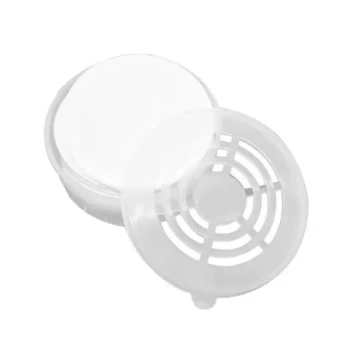
- Compact Circular Bee Mite Treatment Dispenser
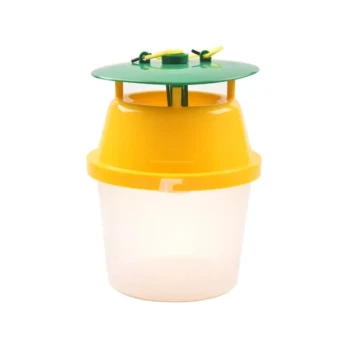
- Professional Bucket Style Wasp and Moth Pheromone Trap
People Also Ask
- What is the function of specialized prevention consumables? Protect Hives from Varroa Mites & European Foulbrood
- What is the function of specialized application devices for Varroa? Precision Control for Healthier Bee Colonies
- What technical factors influence chemical Varroa treatments? Optimize Your Hive Health with Precise Timing
- Why does organic beekeeping emphasize non-synthetic chemical treatments? Protect Your Hive Purity & Prevent Resistance
- How do different application forms of oxalic acid or formic acid affect Varroa mite treatments? Maximize Your Hive Efficacy