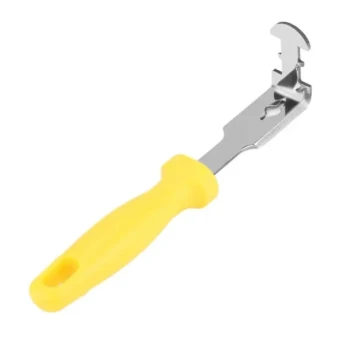
Effectively cleaning propolis residue requires the use of high-concentration alcohol to dissolve its resinous structure. While standard detergents fail to penetrate this sticky substance, solvents like rubbing alcohol or specialized cleaning agents break down the resin, allowing for easy removal from hive tools, gloves, and extraction equipment.
Managing propolis residue is a critical aspect of beekeeping hygiene and equipment maintenance. Professional-grade cleaning involves a combination of chemical dissolution with alcohol and mechanical techniques like freezing or scraping to ensure tools remain functional and sanitary.
Professional Solvents and Chemical Solutions
The Role of Alcohol as a Primary Solvent
Propolis is a complex resinous mixture that is naturally water-resistant and highly adhesive. High-percentage alcohol is the most effective solvent because it chemically breaks down the resins, turning the residue into a liquid state that can be wiped away easily.
Alternative Breakdown Agents
For sensitive materials where alcohol might be too harsh, vegetable oils can be utilized to weaken the adhesive bond of the propolis. While less aggressive than alcohol, oil-based cleaning requires a secondary wash with heavy-duty detergents to remove the resulting oily film.
Pre-Treatment for Textile Maintenance
Beekeeping apparel requires a multi-stage approach to prevent permanent staining and stiffening. Propolis-heavy fabrics should be pre-treated with dedicated stain removers or concentrated soap before undergoing a standard machine wash to maximize cleanliness.
Mechanical and Thermal Removal Techniques
Utilizing Thermal Extremes for Fragile Surfaces
On flexible surfaces like bee gloves, temperature manipulation is a highly effective strategy. Freezing the equipment makes the propolis brittle, allowing it to be chipped or scraped away with a blunt knife without damaging the underlying leather or fabric.
Manual Scraping and Debris Removal
Before applying any chemical solvents, it is industry best practice to manually scrape off excess bulk. This "dry cleaning" phase reduces the amount of solvent required and prevents the spread of sticky residue over a larger surface area during the washing process.
Purification through Hydro-Separation
When cleaning propolis for salvage or resale, the water immersion method is essential for separating contaminants. Raw propolis sinks in water, while foreign materials like dead bees, wood shavings, and wax float to the surface for easy skimming.
Understanding the Trade-offs
Solvent Efficiency vs. Material Integrity
While alcohol is the fastest cleaning agent, frequent use on certain plastics or finishes can cause degradation over time. Balance is required between aggressive cleaning and preserving the lifespan of high-value beekeeping inventory.
Heat-Based Purification Risks
Using heat to melt wax out of propolis (at approximately 200°F) is effective but requires precise temperature control. Overheating can degrade the bioactive properties of the propolis, reducing its market value for pharmaceutical or cosmetic buyers.
Cost-Benefit of Mechanical vs. Chemical Cleaning
Mechanical cleaning (scraping/freezing) is cost-effective but labor-intensive, making it suitable for small-batch maintenance. Chemical cleaning is more scalable for large-scale operations and distributors managing high volumes of returned or refurbished equipment.
Making the Right Choice for Your Goal
As a professional distributor or wholesaler, providing the right maintenance guidance ensures long-term customer satisfaction and equipment reliability.
- If your primary focus is rapid equipment turnover: Recommend high-concentration alcohol soaks to dissolve residue quickly and maintain high-speed operations.
- If your primary focus is preserving premium apparel: Suggest a combination of freezing for bulk removal and pre-treatment soaps to protect fabric integrity.
- If your primary focus is propolis purification for resale: Utilize the hydro-separation and low-heat melting method to ensure a pure, high-market-value byproduct.
By mastering these cleaning protocols, distributors can offer the professional expertise and comprehensive support that modern beekeeping enterprises demand.
Summary Table:
| Cleaning Method | Ideal Application | Key Benefit |
|---|---|---|
| High-Conc. Alcohol | Hive tools, metal, & machinery | Chemically dissolves resin for rapid cleaning |
| Thermal (Freezing) | Gloves, textiles, & leather | Makes propolis brittle for easy mechanical scraping |
| Hydro-Separation | Purification for resale | Effectively separates pure propolis from debris |
| Vegetable Oils | Sensitive finishes & surfaces | Weakens adhesive bonds without harsh chemicals |
| Pre-Treatment | Beekeeping apparel/veils | Prevents permanent staining and fabric stiffening |
Scale Your Beekeeping Business with HONESTBEE
Maintaining professional standards starts with the right equipment and expertise. HONESTBEE is your premier partner, offering a one-stop sourcing solution for commercial apiaries and B2B distributors worldwide.
Why partner with us?
- Comprehensive Portfolio: From heavy-duty honey-filling and hive-making machinery to essential consumables and cultural merchandise.
- Industry Expertise: Deep professional knowledge to support your technical and maintenance needs.
- Rapid Fulfillment: Benefit from our ultra-fast delivery and exceptional customer service designed for high-volume resellers.
Ready to enhance your product offering and improve your margins? Contact HONESTBEE today to access our full wholesale catalog and experience premium trading services tailored to your growth.
Related Products
- 8 Frame and 10 Frame Propolis Trap Collector Screen for Propolis Collection
- Heavy Duty Stainless Steel Frame Cleaner with Plastic Handle
People Also Ask
- Why is a specific wooden frame required when installing a propolis screen? Optimize Your Propolis Harvest Efficiency
- What are the advantages of using propolis collector screens? Elevate Your Harvest to Pharmaceutical Purity
- How does the mesh size of a propolis collection screen influence the efficiency of propolis harvesting? Optimize Yields!
- How do commercial-grade plastic screens compare to custom fine-mesh screens? Maximize Your Propolis Yield & ROI
- What are the technical advantages of using specialized propolis collection screens? Maximize Purity and Efficiency