Propolis collector screens fundamentally upgrade the harvesting process by shifting from manual extraction to a behavior-based collection method. While traditional scraping involves physically removing resin from hive walls and frames, collector screens induce bees to fill simulated gaps with pure propolis. This distinction is critical because it dramatically lowers contamination levels, specifically excluding wood chips, paint flakes, and beeswax that invariably pollute scraped samples.
Core Insight By leveraging the honeybee's instinct to seal crevices, collector screens function as a filter at the source. This produces commercial-grade, high-purity propolis that meets pharmaceutical standards immediately upon harvest, eliminating the extensive purification steps required for scraped material.
The Mechanics of Superior Purity
Elimination of Physical Contaminants
Traditional scraping is a destructive process that inevitably mixes the hive's structural materials with the product. Collector screens avoid this entirely. Because the bees deposit resin directly into a removable plastic or silicone grid, the final product is free from wood shavings, paint chips from the hive exterior, and excess beeswax.
Consistency for Pharmaceutical Applications
High-value applications, such as health supplements and medicines, require rigorous chemical consistency. Scraped propolis varies wildly in quality depending on where in the hive it was found. Screens standardize the deposit zone, ensuring a uniform concentration of active ingredients and total phenolic content necessary for laboratory research or commercial refinement.
Reduction in Downstream Processing
The purity achieved at the collection stage has significant economic implications for processing. Because the raw material contains fewer impurities and debris, refining requires significantly less solvent consumption. This efficiency lowers the cost of production and simplifies the filtration required to produce a food-grade extract.
Operational Efficiency and Hive Health
Leveraging Natural Bee Behavior
Rather than fighting the bees' construction habits, screens utilize them. These tools simulate natural gaps or cracks within the hive environment. This triggers the colony's instinctive drive to seal the hive, causing them to fill the specific grid dimensions with fresh, clean resin.
Efficient Harvesting via Freezing
The extraction process for screens is far less labor-intensive than manual scraping. Once filled, the screens are simply removed and subjected to a freezing treatment. The cold makes the propolis brittle, allowing it to be easily snapped or shaken off the screen without sticky, time-consuming manual labor.
Minimizing Colony Disturbance
Scraping often requires dismantling the hive and disturbing the frames, which stresses the colony. Collector screens are typically placed on the top or sides of the hive, allowing for removal with minimal intrusion. This maintains the stability of the colony while ensuring a steady harvest.
Genetic Assessment and Standardization
Accurate Yield Measurement
For beekeepers interested in breeding, scraping offers unreliable data regarding a colony's propolis production capability. Screens provide a standardized metric. Because every colony faces the same "gap" challenge, beekeepers can accurately assess and compare the propolis production potential of different genetic lineages.
Understanding the Trade-offs
The Influence of Infrastructure
While screens improve the collection method, they do not operate in a vacuum. Hive material remains a critical variable. Research indicates that the material of the hive itself (wood vs. foam/plastic) influences the colony's internal microclimate. This affects the bees' motivation to collect resin, meaning a screen used in a poorly insulated hive may still yield suboptimal results regarding total antioxidant activity.
Dependency on Processing Equipment
Transitioning to screens introduces a new dependency in your workflow. Freezing capability is essential. Unlike scraping, which requires only a hive tool, efficient extraction from screens relies on access to freezers to separate the resin from the plastic grid effectively.
Making the Right Choice for Your Goal
To determine if propolis screens are the right investment for your operation, consider your end-goal:
- If your primary focus is Pharmaceutical or Food-Grade Products: Screens are essential to ensure the chemical stability and low impurity levels required for regulatory compliance.
- If your primary focus is Breeding and Genetics: Screens provide the standardized data needed to accurately select lineages with high propolis production traits.
- If your primary focus is Minimizing Processing Costs: The reduction in solvent usage and filtration time makes screens the more economically viable option in the long run.
Adopting collector screens moves propolis production from a byproduct of hive cleaning to a specialized, high-quality agricultural process.
Summary Table:
| Feature | Traditional Scraping | Propolis Collector Screens |
|---|---|---|
| Purity Level | Low (includes wood, paint, wax) | High (pure resin) |
| Labor Intensity | High (manual scraping) | Low (freezing and shaking) |
| Contaminant Risk | High physical/chemical debris | Minimal to none |
| Processing Cost | High (intensive solvent filtration) | Low (minimal refining needed) |
| Colony Stress | High (disturbs hive structure) | Low (non-intrusive placement) |
| Yield Accuracy | Difficult to measure consistently | Standardized for genetic assessment |
Boost Your Apiary's Profitability with HONESTBEE
Transitioning to professional propolis collection is essential for meeting the demands of the pharmaceutical and health supplement industries. HONESTBEE provides commercial apiaries and distributors with the high-performance tools needed to scale production efficiently.
Our comprehensive wholesale range includes:
- Advanced Propolis Collector Screens for high-purity harvests.
- Industrial Machinery, including honey-filling and hive-making machines.
- Full Spectrum Equipment, from basic tools to essential industry consumables.
Whether you are looking to optimize your extraction process or source bulk beekeeping hardware, our team is ready to support your business growth. Contact HONESTBEE today to discuss our wholesale offerings and how we can add value to your commercial operation.
References
- Daniel S. Pereira, Daniel Casimiro da Silveira. Históricos e principais usos da própolis apícola. DOI: 10.30969/acsa.v11i2.652
This article is also based on technical information from HonestBee Knowledge Base .
Related Products
- 8 Frame and 10 Frame Propolis Trap Collector Screen for Propolis Collection
- 30 cm Plastic Entrance Hole Bee Pollen Trap and Collector
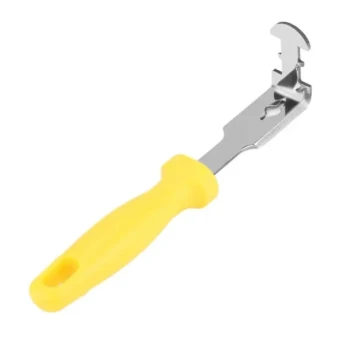
- Heavy Duty Stainless Steel Frame Cleaner with Plastic Handle
People Also Ask
- Why is a specific wooden frame required when installing a propolis screen? Optimize Your Propolis Harvest Efficiency
- How do propolis collection screens work? Discover material specs for commercial harvesting equipment
- How does the mesh size of a propolis collection screen influence the efficiency of propolis harvesting? Optimize Yields!
- How do commercial-grade plastic screens compare to custom fine-mesh screens? Maximize Your Propolis Yield & ROI
- What are the technical advantages of using specialized propolis collection screens? Maximize Purity and Efficiency