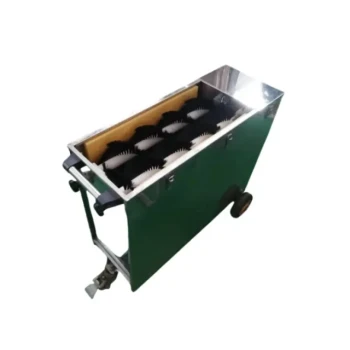
Drone brood removal and inspection tools leverage the biological preference of Varroa destructor for drone larvae to physically extract and monitor mite populations. These specialized tools allow beekeepers to trap reproductive-phase mites within capped drone cells and remove them from the colony before they emerge, serving as a highly effective, non-chemical mechanical control.
By integrating these tools into a standard Integrated Pest Management (IPM) strategy, beekeepers can significantly lower the baseline mite population and reduce their overall reliance on chemical treatments and acaricides.
Leveraging Biological Preferences for Mechanical Control
The Attraction of Drone Larvae
Varroa mites are naturally drawn to drone brood because the larger cells and longer developmental period allow for higher reproductive success. Research indicates that a foundress mite can produce 2.2 to 2.6 offspring in a drone cell, compared to only 1.3 to 1.4 in a worker cell.
Disrupting the Reproductive Cycle
Drone brood removal tools act as a "biological trap" by encouraging the queen to lay drone eggs in a concentrated area. Once these cells are capped, beekeepers can remove the entire frame or section, effectively eliminating a large portion of the breeding mite population before they can disperse throughout the hive.
Specialized Tools for Physical Mitigation and Monitoring
Drone Brood Removal Frames
Professional-grade drone frames are designed with a larger cell geometry to guide honeybees to construct drone-specific comb. By removing these frames at specific intervals—typically by freezing or scraping—beekeepers can mechanically cull mites without leaving chemical residues in the wax or honey.
High-Precision Inspection Pins and Forks
Inspection tools, such as multi-tined uncapping forks and pins, allow for destructive sampling and visual detection of hidden infestations. These tools enable beekeepers to open large areas of capped drone cells to extract larvae and verify the presence of mites during the reproductive stage.
Impact on Colony Health
Regular use of these tools slows the growth rate of the Varroa population during the peak summer months. This proactive approach is essential for maintaining colony vigor and is a core requirement for producers aiming for organic honey certification.
Strategic Business Advantages for Distributors
Meeting the Demand for Sustainable Beekeeping
As the industry shifts toward residue-free and sustainable practices, the demand for high-quality mechanical control tools is rising. Providing a comprehensive full-spectrum product portfolio that includes both removal and inspection tools positions distributors as expert partners in hive health.
Efficiency in Sourcing and Fulfillment
B2B buyers benefit from one-stop sourcing capabilities that streamline the procurement of specialized apiary tools. Our deep professional industry expertise ensures that every tool in our inventory meets rigorous standards, supported by ultra-fast delivery and efficient order fulfillment to keep your stock levels optimal.
Understanding the Trade-offs
The Risk of Improper Timing
The primary pitfall of drone brood removal is incorrect timing; if a beekeeper forgets to remove the drone frame before the bees emerge, they will inadvertently release a massive surge of mites into the colony. This requires strict management schedules and clear communication from resellers to end-users.
Labor Intensity and Bee Nutrition
Physical control is more labor-intensive than chemical strips, requiring regular hive interventions that may disrupt the colony's natural rhythm. Additionally, over-culling drone brood can theoretically impact the availability of drones for mating in the local environment, though the impact on a single hive's health is generally positive.
Making the Right Choice for Your Goal
- If your primary focus is organic honey production: Prioritize specialized drone brood frames to eliminate the need for synthetic acaricides.
- If your primary focus is rapid population monitoring: Invest in multi-tined inspection forks to enable fast, destructive sampling of reproductive-phase mites.
- If your primary focus is year-round hive stability: Use drone brood removal as a supplementary "knock-down" method during the peak breeding season to lower the overall pest baseline.
By utilizing these mechanical tools, beekeepers gain a powerful, non-chemical advantage in the ongoing battle against Varroa destructor.
Summary Table:
| Tool Type | Primary Function | Key Advantage |
|---|---|---|
| Drone Brood Frames | Traps reproductive mites in drone cells | Non-chemical population culling |
| Inspection Forks/Pins | Destructive sampling of drone larvae | Accurate, early-stage mite detection |
| Mechanical Removal | Freezing or scraping capped brood | Eliminates mites without wax residue |
| IPM Integration | Physical disruption of breeding cycle | Reduces reliance on synthetic acaricides |
Partner with HONESTBEE for Premium Beekeeping Solutions
Elevate your product lineup with HONESTBEE, your premier partner for professional-grade beekeeping equipment. We specialize in supporting distributors, wholesalers, and B2B resellers with a comprehensive, one-stop sourcing experience for everything from hive-making machinery to specialized Varroa control tools.
Why choose HONESTBEE?
- Full-Spectrum Portfolio: Access high-quality drone removal tools, honey-filling machines, and essential consumables all in one place.
- Operational Excellence: Benefit from our ultra-fast delivery, efficient order fulfillment, and dedicated customer service.
- Industry Expertise: Leverage our deep technical knowledge and OEM/ODM support to maximize your profit margins and market reliability.
Ready to scale your business with a trusted industry leader? Contact us today to discuss wholesale opportunities!
References
- Laura Boehm, Sara M. Clifton. Spatiotemporal, environmental, and behavioral predictors of Varroa mite intensity in managed honey bee apiaries. DOI: 10.1371/journal.pone.0325801
This article is also based on technical information from HonestBee Knowledge Base .
Related Products
- Commercial Grade Vertical Electric Bee Sweeper for Bee Removal
- High Performance Cordless Electric Bee Shaker for Beekeeping
People Also Ask
- What are the advantages of using professional bee sweepers? Boost Honey Harvesting Efficiency and Protect Your Hive
- How do standardized frames and professional bee-sweeping equipment contribute to apiary efficiency? Scale Your Harvest
- What are the specific functions of dedicated feeding systems and physical bee removal equipment in organic production?
- What are the benefits of using professional bee removal equipment during honey harvesting? Boost Purity and Efficiency
- What techniques and tools are used to clear bees from supers during honey harvesting? Efficient Solutions for Every Apiary