Wax melters are essential tools for beekeepers, candle makers, and cosmetic manufacturers, ensuring efficient and high-quality wax extraction. Our product range includes versatile options such as the Steam Beeswax Melter Wax Warmer, ideal for large-scale wax processing with its durable stainless steel design and 90L capacity. For industrial needs, the Electric Commercial Beeswax Melter offers precise temperature control and energy efficiency. Hobbyists and professionals will appreciate the compact and easy-to-clean Beeswax Melter for Candle Making, while eco-conscious users can opt for the Solar Beeswax Melter, harnessing solar energy for sustainable wax extraction.
Toggle Categories
Get Instant Support
Choose your preferred way to connect with our team
-
Get Free Quote Fill out form for detailed pricing
-
Send Email Detailed inquiry support
-
WhatsApp Quick mobile chat
Response Time
Within 8 hours on working days, 24 hours on holidays
wax melter
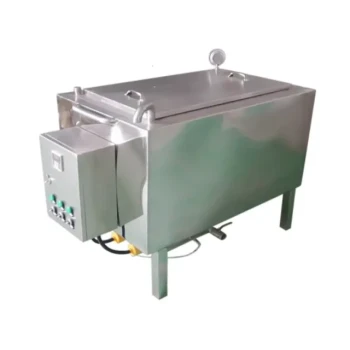
Electric Commercial Beeswax Melter for Factory Use
Item Number: BWM-2
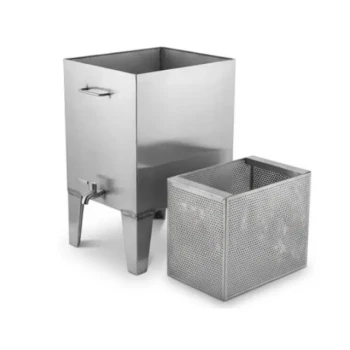
Steam Beeswax Melter Wax Warmer for Wax Processing
Item Number: BWM-3
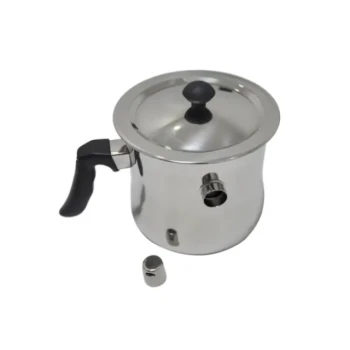
Beeswax Melter for Candle Making Honey Bee Wax Melter
Item Number: BWM-4

Solar Beeswax Melter Easy Solar Wax Melter for Beeswax
Item Number: BWM-1
Professional 500g Sectional Comb Honey Frame System for Beekeeping
Item Number: CHC-3

HONESTBEE Professional Mini J-Hook Hive Tool for Beekeeping
Item Number: HT-10
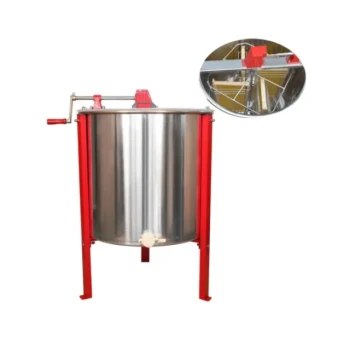
HONESTBEE 4 Frame Manual Self Reversing Honey Extractor for Beekeeping
Item Number: HE-4MS

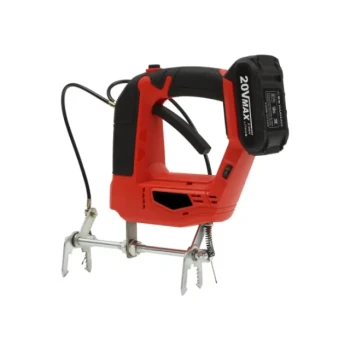
High Performance Cordless Electric Bee Shaker for Beekeeping
Item Number: FSD-1

HONESTBEE 2 Frame Manual Acrylic Honey Extractor Beekeeping Equipment
Item Number: HE-2MT

Professional Dual-End Stainless Steel Hive Tool for Beekeeping
Item Number: HT-5

HONESTBEE Collapsible Tiered Bee Swarm Catcher for Beekeeping
Item Number: SCB-2
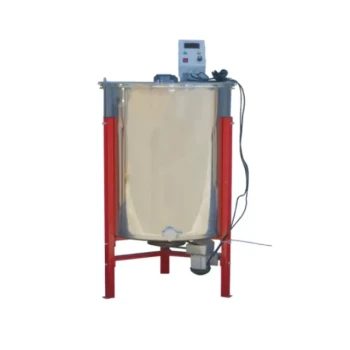
Professional 4 Frame Self Reversing Electric Honey Extractor for Beekeeping
Item Number: HE-4ES

Multi-Function Hive Tool with Integrated Hammer for Beekeeping
Item Number: HT-21
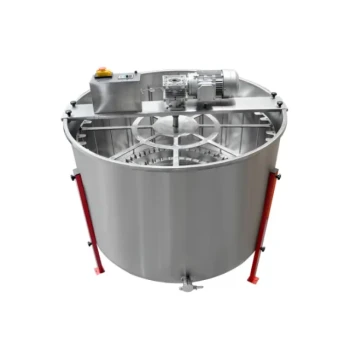
40 Frame Commercial Electric Honey Extractor for Beekeeping
Item Number: HE-40E

Professional Long-Handled Silicone Honey Scraper for Beekeeping
Item Number: HHS-3

Adjustable Formic and Acetic Acid Dispenser for Bee Mite Treatment
Item Number: MDV-1

Wooden Bee Brush with Triple Row Artificial Fiber for Beekeeping
Item Number: BB-7

HONESTBEE 15-in-1 Beekeeper Multi-Tool with Hammer and Pliers for Beekeeping
Item Number: HT-22
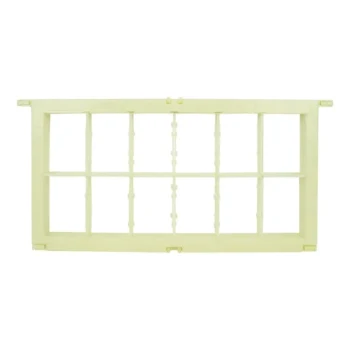


Professional Ant-Proof Beehive Stand with Integrated Moat for Beekeeping
Item Number: BHY-4

HONESTBEE Advanced Ergonomic Stainless Steel Hive Tool for Beekeeping
Item Number: HT-14
Why Choose Our Wax Melters?
Our wax melters are designed to meet the diverse needs of beekeepers, candle makers, and cosmetic manufacturers, offering unmatched efficiency, durability, and ease of use. Here’s a detailed look at what makes our products stand out:
Advanced Features for Superior Performance
- Steam Beeswax Melter Wax Warmer: This model is perfect for large-scale wax processing, featuring a durable stainless steel design and a 90L capacity. It ensures high-quality wax extraction with minimal effort, making it ideal for candle making and cosmetics.
- Electric Commercial Beeswax Melter: Designed for industrial use, this melter boasts a 304 stainless steel construction, precise temperature control, and an energy-efficient design. It’s perfect for large-scale wax processing in factories.
- Beeswax Melter for Candle Making: Compact and easy to clean, this 1.5L melter is perfect for hobbyists and professionals alike. Its stainless steel construction ensures durability and ease of use.
- Solar Beeswax Melter: Harness the power of the sun with this eco-friendly wax melter. It’s perfect for sustainable beekeeping and crafting, offering a low-maintenance solution for wax extraction.
Principles of Operation
All our wax melters operate on the principle of heating honeycombs to a temperature above +70°C, causing the wax to melt into a liquid state. This liquid wax is then filtered and used for its intended purpose. The Steam Beeswax Melter directs hot steam into a container where frames with honeycombs are placed, ensuring uniform melting and high-quality wax extraction.
Key Advantages
- Efficiency: Our wax melters are designed to speed up the wax melting process, ensuring you get high-quality wax quickly and efficiently.
- Durability: Constructed from high-quality materials like stainless steel, our melters are built to last, even in demanding environments.
- Ease of Use: Whether you’re a hobbyist or a professional, our melters are easy to operate and maintain, ensuring a hassle-free experience.
- Sustainability: With options like the Solar Beeswax Melter, you can reduce your environmental impact while still achieving excellent results.
Customizable Solutions
We understand that every user has unique needs. That’s why we offer customizable solutions to ensure our wax melters meet your specific requirements. Whether you need a small-scale melter for personal use or a large-scale solution for industrial applications, we’ve got you covered.
Get Started Today
Ready to upgrade your wax extraction process? Explore our range of wax melters and find the perfect solution for your needs. Have questions or need a custom solution? Contact us today to speak with our experts and get started on your journey to efficient, high-quality wax extraction.
FAQ
What Is The Principle Of A Wax Melter?
The principle of operation of any wax melter involves heating honeycombs loaded into a tank to a temperature above +70°C. This causes the wax to melt into a liquid state, which is then filtered and used for its intended purpose. The process is the same regardless of the design or energy source used.
What Are The Advantages Of A Wax Melter?
The advantages of a wax melter include standard dimensions, a comfortable and well-thought-out design, fast melting of honeycombs, obtaining high-quality non-burnt wax, and minimal intervention required from the beekeeper during the melting process.
What Are The Applications Of A Wax Melter?
A wax melter simplifies and speeds up the wax melting process. It is ideal for applications such as candle making, cosmetics, and hair removal preparations. It ensures safety and efficiency by avoiding overheating and making it easier to remove wax from the pot.
What Are The Main Types Of Wax Melters?
The main types of wax melters include steam wax melters, electric wax melters, and solar wax melters. Each type has its own unique features and is suited for different applications, such as small apiaries, industrial use, or eco-friendly beekeeping.
How Does A Steam Wax Melter Work?
A steam wax melter works by directing hot steam into a container where frames with honeycombs are placed. The steam is generated in a hermetically sealed container where water boils, and the steam is then directed through a hose into the wax melter, melting the wax.
REQUEST A QUOTE
Our professional team will reply to you within one business day. Please feel free to contact us!
Related Articles
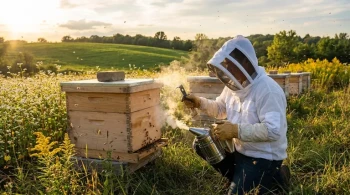
How to Choose Beekeeping Tools: A Practical Guide for Every Budget and Climate
Learn how to choose the best beekeeping tools for your budget and climate, from protective gear to hive management essentials.
Read more
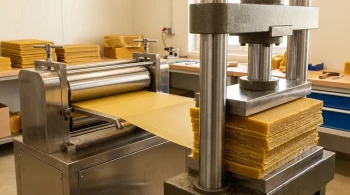
How to Choose Between Roller and Press Systems for Perfect Beeswax Sheets
Compare roller vs. press systems for beeswax sheets—ideal for candle making or cosmetics. Learn speed, cost & quality trade-offs for commercial production.
Read more
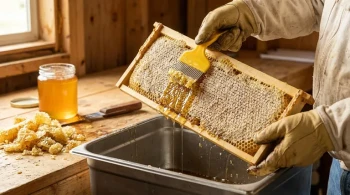
How to Choose and Master Decapping Knives for Optimal Honey Yield
Learn how to choose and use decapping knives for optimal honey yield, comb preservation, and beekeeping efficiency.
Read more
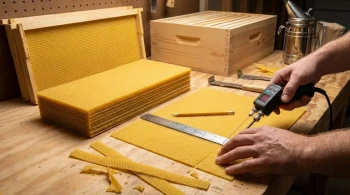
How to Cut Beeswax Foundations for Perfect Hive Compatibility Every Time
Learn professional techniques for cutting beeswax foundations to ensure hive compatibility, prevent warping, and boost colony productivity.
Read more
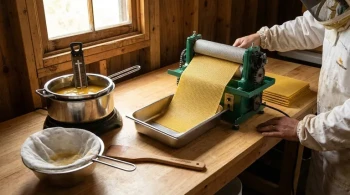
How to Choose and Use Budget-Friendly Tools for Durable Beeswax Foundations
Learn budget-friendly techniques for crafting durable beeswax foundations with essential tools, temperature control, and step-by-step workflows.
Read more
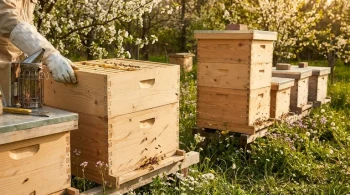
How to Expand Your Beehives in Spring Without Triggering Swarms
Learn how to expand beehives in spring using 8-frame systems to prevent swarming and boost honey production with sustainable hive management.
Read more
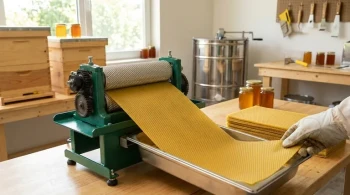
How Beeswax Foundation Machines and Smart Equipment Transform Beekeeping Efficiency
Discover how beeswax foundation machines and smart beekeeping equipment enhance efficiency, colony health, and honey production for commercial apiaries.
Read more
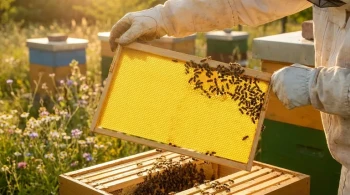
How Precision-Engineered Beeswax Sheets Boost Hive Health and Honey Production
Discover how precision-engineered beeswax sheets enhance hive health, boost honey production, and reduce beekeeping costs with uniform cell depth.
Read more
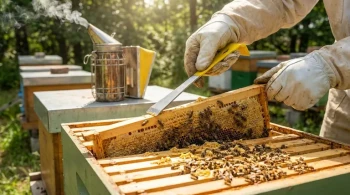
The Beekeeper’s Guide to Hive Tools: How to Choose and Use Them for Efficient Apiary Management
Learn how to choose and use hive tools for efficient beekeeping. Discover material, design, and maintenance tips for smooth apiary management.
Read more
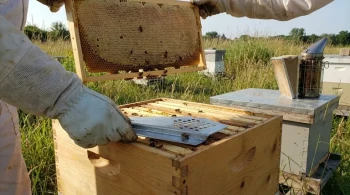
How to Clear Honey Supers Humanely: Reliable Methods & Troubleshooting
Learn humane methods to clear honey supers without stressing bees, including bee escapes, fume boards, and troubleshooting tips for stubborn colonies.
Read more
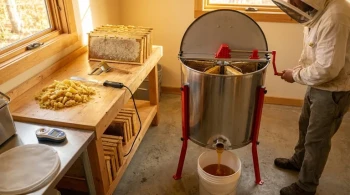
How to Optimize Honey Extraction Without Compromising Quality
Learn field-tested honey extraction methods to maximize yield while preserving quality, from uncapping tools to filtration and bottling.
Read more
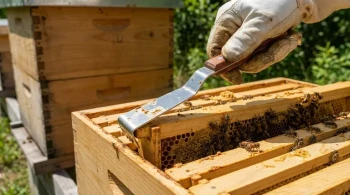
How to Use Hive Tools Without Damaging Your Apiary: A Beekeeper’s Guide
Learn how to use hive tools safely to protect your apiary. Avoid frame damage, reduce bee stress, and improve efficiency with expert tips.
Read more
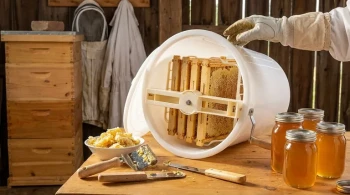
How to Extract Honey Safely Without Damaging Equipment or Hives
Professional honey extraction techniques to maximize yield while protecting combs and hive health. Learn damage-free harvesting and sustainable hive management.
Read more
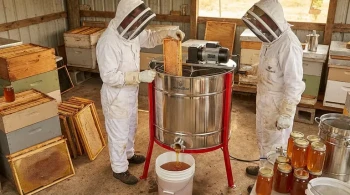
How to Choose the Right Honey Processing Method for Your Apiary
Learn how to choose the best honey processing method for your apiary—balancing quality, efficiency, and budget for small to large-scale operations.
Read more
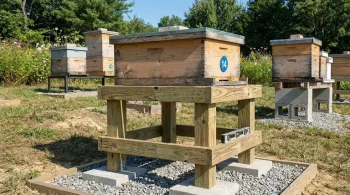
How to Choose and Maintain Hive Stands for Healthier Bee Colonies
Learn how to choose and maintain hive stands to protect bee colonies from moisture, pests, and instability for healthier hives.
Read more
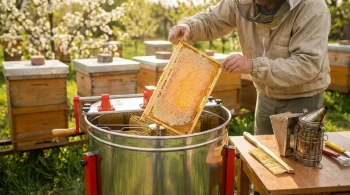
How to Harvest Honey Ethically: Bee-Friendly Techniques for Healthy Colonies
Learn ethical honey harvesting techniques to protect bee colonies while maximizing yield. Discover comb readiness tests, bee-friendly removal methods, and post-harvest care.
Read more

How to Manage Honey Crystallization Without Compromising Quality
Learn how to manage honey crystallization naturally while preserving quality. Discover safe decrystallization methods and storage tips for beekeepers.
Read more
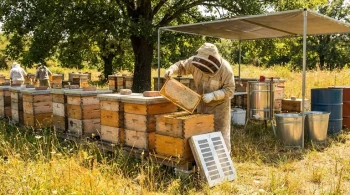
How Commercial Beekeepers Balance Honey Production and Hive Health in Summer
Learn how commercial beekeepers maximize honey production while maintaining hive health during summer with expert strategies on nectar flow, thermal regulation, and mite control.
Read more
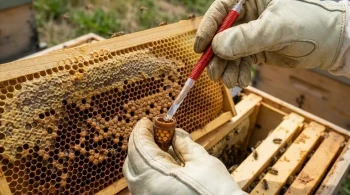
How to Improve Queen-Rearing Success: Biologically Optimized Grafting Techniques
Boost queen-rearing success with science-backed grafting techniques focusing on larval biology, tool prep, and colony conditions for higher acceptance rates.
Read more

Why Honey Bear Packaging Wins: Psychology, Functionality, and Safety Behind Its Enduring Appeal
Discover why honey bear packaging wins with psychology, functionality, and safety—boosting sales and consumer appeal.
Read more