Precision is the cornerstone of reliable pollen analysis. High-power magnifiers and fine picking needles function as an integrated system to isolate specific pollen loads based on visual characteristics such as color, texture, and position. This combination enables laboratory personnel to strip micro-samples without destroying the underlying structure, ensuring the collected material remains pure and viable for testing.
The synergy between high-magnification visuals and fine-point manipulation is essential for minimizing cross-contamination. It ensures high-quality control for single-source analysis by allowing researchers to target specific grains while avoiding surrounding debris.
The Role of Visual Guidance
Screening for Specific Characteristics
High-power magnifiers are not merely for enlargement; they are critical filtering tools. They allow personnel to screen pollen loads based on subtle differentiators like color and texture.
Positional Accuracy
Beyond surface details, magnification clarifies the exact position of the pollen load. This visual confirmation is the first line of defense against selecting the wrong sample. It ensures that the extraction tool is directed only at the target material.
Achieving Non-Destructive Extraction
The Function of Fine Picking Needles
Once the target is identified, fine picking needles serve as the mechanism for physical interaction. These tools allow for the stripping of micro-samples with extreme delicacy.
Preserving Sample Integrity
The sharpness and fineness of the needle allow for extraction that is non-destructive. Unlike blunter tools, a needle can remove a specific segment of the pollen load without crushing the biological structure.
Minimizing Cross-Contamination
The primary objective of using a needle over a larger implement is to limit contact surface area. This precise interaction significantly reduces physical cross-contamination between different pollen sources. It guarantees that the sample analyzed in the lab represents a single, distinct source.
Understanding the Constraints
Dependency on Manual Skill
While effective, this method is highly dependent on the steadiness and skill of the operator. The tools provide the capability for precision, but they do not automate the process.
The Limits of "Non-Destructive"
"Non-destructive" refers to the bulk of the sample and the surrounding environment. However, the specific micro-sample being stripped is physically manipulated. Care must be taken to ensure this manipulation does not alter the chemical properties required for analysis.
Making the Right Choice for Your Goal
To maximize the effectiveness of your sampling protocol, align your tool usage with your specific analytical objectives:
- If your primary focus is single-source purity: Rely heavily on high-power magnification to visually verify color and texture consistency before touching the sample.
- If your primary focus is structural integrity: Utilize fine picking needles to strip micro-samples, ensuring you minimize physical pressure on the surrounding pollen loads.
By mastering the interplay between visual verification and precise mechanical stripping, you ensure the validity of your data before the sample ever reaches the chemical analysis stage.
Summary Table:
| Feature | Function in Pollen Collection | Key Benefit |
|---|---|---|
| High-Power Magnifiers | Visual screening of color, texture, and position | Prevents selection errors and cross-contamination |
| Fine Picking Needles | Delicate stripping of micro-samples | Preserves biological structure and sample integrity |
| Combined System | Integrated visual-mechanical manipulation | Ensures high-quality, single-source purity for analysis |
Elevate Your Beekeeping Operations with HONESTBEE
Precision in the lab starts with quality equipment in the field. HONESTBEE serves commercial apiaries and distributors with a comprehensive wholesale range, including professional-grade beekeeping tools, honey-filling machines, and essential industry consumables.
Whether you are scaling your honey production or sourcing specialized hardware for your distribution network, our expertise ensures you get the most durable and efficient tools on the market.
Ready to optimize your apiary's efficiency? Contact us today to explore our full portfolio and learn how we can support your business growth.
References
- Narendra Vidyadhar Bhusari, K. H. Makde. Pollen of<i>Apis</i>honey from Maharashtra. DOI: 10.1080/00173130510010585
This article is also based on technical information from HonestBee Knowledge Base .
Related Products
- Heavy-Duty Ergonomic Grip Galvanized Pollen Shovel
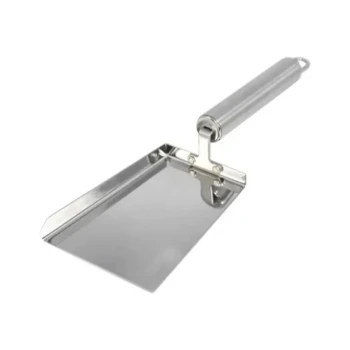
- Heavy-Duty Ergonomic Stainless Steel Pollen Shovel
- Stainless Steel Pollen Shovel with Wooden Handle
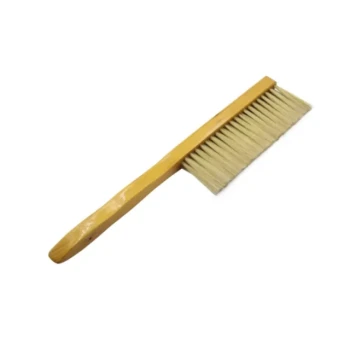
- Wooden Bee Brush with Triple Row Artificial Fiber for Beekeeping
People Also Ask
- For what reasons do beekeepers collect bee pollen? Boost Hive Health and Unlock New Revenue Streams
- Why should commercial apiaries focus on the collection of diversified bee products? Maximize Your Hive’s Profit Potential
- How do bee pollen collection tools affect the quality of bee pollen used in functional dairy ice cream production?
- How does a specialized pollen collector facilitate the harvesting of diverse bee products? Automate High-Value Yields
- What is the impact of pollen collectors and associated equipment on the cost structure of pollen production? Maximize ROI