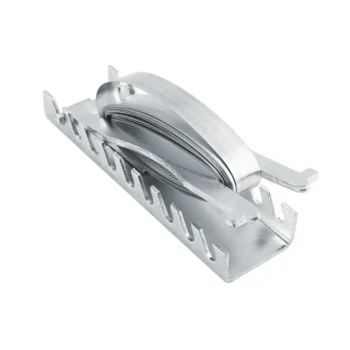
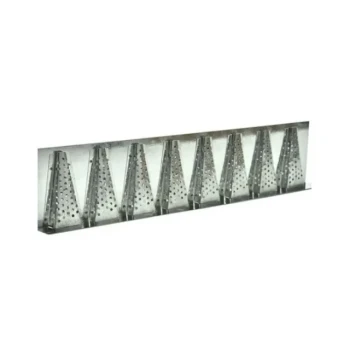
Mouse guards act as a vital physical shield for a beehive during the dormant winter months. These devices—typically made of durable sheet metal or stainless steel—restrict the size of the hive entrance to prevent rodents from invading the colony in search of warmth and food. By installing a guard, you ensure that bees can enter and exit freely through specialized openings while larger pests are physically blocked from causing structural damage or fatal contamination.
Winter hives act as a magnet for rodents seeking heat and honey. A mouse guard is the single most effective defense against infestations that destroy wax combs, deplete food stores, and introduce disease-causing unsanitary conditions.
The Threat of Winter Intrusion
To understand the value of a mouse guard, you must first understand the vulnerability of the hive in winter.
The Attraction of the Hive
During cold weather, a beehive offers two things essential for rodent survival: warmth and shelter. The cluster of bees generates heat to survive the winter, turning the hive into a beacon for mice and other small animals looking to escape the freezing temperatures.
The Risk of Resource Depletion
Invading rodents do not just seek shelter; they seek sustenance. Without a guard, mice can easily access and consume the colony's honey reserves. This theft can lead to starvation for the bee colony, which relies entirely on these stored resources to survive until spring.
Preserving Hive Hygiene and Structure
Beyond the loss of food, the presence of a rodent inside the hive creates a catastrophic environment for the bees.
Preventing Structural Damage
Rodents are notorious for their need to chew. Once inside, they often gnaw through frames and beeswax combs. This destruction forces the colony to expend massive amounts of energy and resources in the spring to rebuild, provided they survive the winter at all.
Avoiding Biological Contamination
Perhaps the most significant contribution to hive health is the maintenance of sanitation. Rodents introduce urine, feces, and nesting debris into the hive environment. These unsanitary conditions can spread disease and ruin the comb, rendering the hive uninhabitable for the bees.
Mechanics of Protection
Mouse guards are engineered to balance protection with accessibility.
Durable Material Construction
Guards are manufactured from robust materials, such as sheet metal or stainless steel. This construction is critical because it resists the chewing capabilities of rodents, which can easily gnaw through wood or softer plastics to widen an entrance.
Selective Entry Sizing
The core design feature of a mouse guard is the precision sizing of its openings. The holes are specifically calibrated to be large enough for a bee to pass through but too small for a mouse. This allows the colony to perform necessary cleansing flights on warmer days while maintaining a secure fortress against intruders.
Common Pitfalls to Avoid
While mouse guards are essential, incorrect usage can negate their benefits.
Late Installation
The most common error is installing the guard after a mouse has already entered. If a mouse is trapped inside with the bees, the damage to the comb and food stores is guaranteed. You must verify the hive is clear of pests before attaching the guard in late autumn.
Blockage Monitoring
Because the entrance holes are small, they can become obstructed more easily than a wide-open entrance. Accumulation of dead bees or debris behind the guard can block airflow and trap live bees inside. Periodic checks are necessary to ensure the specialized holes remain clear.
Making the Right Choice for Your Goal
To maximize the winter survival rates of your apiary, apply these principles:
- If your primary focus is Physical Protection: Choose a guard made of stainless steel or heavy-gauge sheet metal to prevent rodents from chewing through the barrier.
- If your primary focus is Colony Hygiene: Install guards early in the fall to prevent mice from establishing nests that introduce urine and debris into the sanitary environment of the hive.
A properly installed mouse guard is a small investment that prevents the disproportionate devastation of your colony's winter resources.
Summary Table:
| Protection Category | Impact of Mouse Guards | Key Benefit |
|---|---|---|
| Structural Integrity | Prevents gnawing on wax combs and frames | Reduces spring repair energy |
| Resource Security | Blocks access to stored honey reserves | Prevents colony starvation |
| Sanitation | Keeps out rodent urine, feces, and debris | Maintains disease-free environment |
| Airflow & Access | Precisely sized holes for bee passage | Supports winter cleansing flights |
Secure Your Apiary's Future with HONESTBEE
Protecting your colony’s winter health is essential for a productive spring. At HONESTBEE, we empower commercial apiaries and distributors with the high-quality tools needed to safeguard every hive.
Our extensive wholesale portfolio includes:
- Durable Hardware: Stainless steel mouse guards, specialized hive-making machinery, and precision honey-filling equipment.
- Essential Consumables: A full spectrum of beekeeping tools and industry-standard supplies.
- Cultural Merchandise: Unique honey-themed retail products to diversify your brand.
Don't let winter pests compromise your investment. Contact us today to access our comprehensive wholesale pricing and expert support for your beekeeping business.
Related Products
People Also Ask
- What are the types of Emlocks available? Choose the Right Strap for Hive Security
- How does the performance of ratchet straps compare to cam buckle straps for securing beehives? Expert Comparison Guide
- What role do standardized beehive fastening and protective consumables play? Secure Colonies Against Natural Disasters
- What are the two styles of hive straps? Choose the Right Strap for Your Hive Security
- How should hive straps be stored? Prevent Tangles & Extend Strap Life