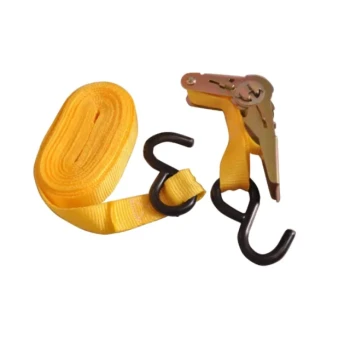
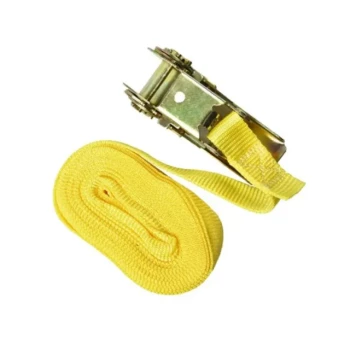
In terms of raw holding stability during aggressive impacts, ratchet straps perform slightly better than cam buckle straps. While both options offer similar protection during simple tip-over scenarios, ratchet straps provide a distinct advantage when the hive is subjected to violent force, such as being kicked over. The defining difference lies less in the strap material and more in the mechanical capability to achieve necessary tension.
While both strap types can successfully keep a hive intact, the mechanical advantage of a ratchet strap makes it significantly easier to achieve the necessary tension. A cam buckle strap generally requires specific positioning and substantial physical effort to match the security of a ratchet.
Comparative Performance Under Stress
Aggressive vs. Passive Tipping
In tests comparing the two, ratchet straps demonstrated a slight edge during aggressive kick-over tests. This suggests better resilience against violent animal disturbance or severe weather impacts.
Standard Stability
For general stability, such as a simple tip-over event, the performance gap narrows significantly. Both strap types perform similarly in these lower-impact scenarios, provided they are correctly tightened.
Structural Integrity
When fully secured, both strap types effectively hold the main structure of the hive together. In most test cases, even with significant force, only the uppermost box shifted slightly, while the rest of the column remained intact.
The Mechanics of Tension
The Ratchet Advantage
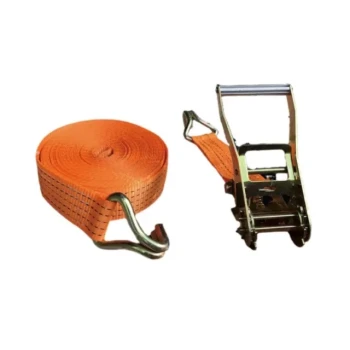
The superiority of the ratchet strap largely comes down to mechanical advantage. The ratcheting mechanism allows you to apply force that is multiplied by the hardware, making it easy to "crank down" the strap to a very high tension.
The Cam Buckle Challenge
Achieving the same level of tightness with a cam buckle relies entirely on your physical strength. Because there is no mechanical aid, you must pull significantly harder to achieve the tension required to keep the boxes from shifting.
Optimizing Cam Buckle Utility
Proper Buckle Positioning
If you choose cam buckles, physics must be used to your advantage. Position the buckle so it hangs at least 6 inches below the top of the hive. Placing the buckle directly on top makes it nearly impossible to achieve adequate tightness.
Utilizing Body Weight
Thread the strap so that you are pulling the free end downwards. This allows you to use your body weight, rather than just arm strength, to cinch the strap tight.
Environmental Considerations
In areas with high winds, install the strap on the upwind side of the hive. This reduces the risk of the buckle being jarred loose by constant vibration or gusts.
Critical Pitfalls and Trade-offs
The Necessity of Tightness
The most common point of failure for both strap types is insufficient tension. Neither strap will be effective if it is not very tightly secured.
The "Good Enough" Fallacy
Because cam buckles are easier to attach quickly, users often leave them slightly looser than necessary. Without the mechanical feedback of a ratchet, it is easy to overestimate how secure the hive actually is.
Complexity vs. Effort
Ratchet straps are mechanically more complex and can be slower to operate, but they guarantee tightness. Cam buckles are simpler and faster to rig, but they demand much more physical effort to ensure the hive is actually safe.
Making the Right Choice for Your Goal
To select the best tool for your apiary, consider your physical capabilities and the specific threats your hives face.
- If your primary focus is maximum security with minimal effort: Choose ratchet straps, as their mechanical advantage ensures a tight seal against aggressive impacts without requiring heavy physical exertion.
- If your primary focus is simplicity and speed: Choose cam buckle straps, but ensure you position the buckle low enough to pull downwards with your full body weight to match the tightness of a ratchet.
Ultimately, the safety of your colony depends less on the strap you buy and more on the tension you apply.
Summary Table:
| Feature | Ratchet Straps | Cam Buckle Straps |
|---|---|---|
| Tension Mechanism | Mechanical (Hardware Multiplication) | Manual (Physical Strength) |
| High-Impact Stability | Superior (Resists violent impacts) | Good (Adequate for simple tips) |
| Ease of Use | Slower but requires less effort | Faster but requires more strength |
| Best Use Case | Maximum security/Severe weather | Fast adjustments/Routine transport |
| Primary Risk | Mechanical complexity | Insufficient manual tension |
Secure Your Apiary with HONESTBEE Professional Grade Equipment
Protecting your colonies requires reliable, high-tension security. At HONESTBEE, we understand the needs of commercial apiaries and distributors. We provide a full spectrum of beekeeping tools, specialized hive-making machinery, and honey-processing equipment designed to withstand the rigors of the industry.
Whether you are scaling your operation or sourcing premium consumables for your customers, our wholesale solutions offer the durability and value you need.
Ready to upgrade your equipment? Contact us today to explore our comprehensive catalog and wholesale pricing!
Related Products
- Heavy-Duty Nylon Beehive Hive Strap with Stainless Steel Cinch Buckle
- Professional Galvanized Hive Strap with Secure Locking Buckle for Beekeeping
- Heavy Duty Ratchet Hive Strap
- High Security Emlock Strap System
- Metal Hive Feet Bee Hive Stand for Ant Protection
People Also Ask
- What role do standardized beehive fastening and protective consumables play? Secure Colonies Against Natural Disasters
- What is a good way to store hive straps to keep them organized? Master the Art of Tangle-Free Hive Transport
- What are the two main styles of hive straps? Choosing Between Cam Buckles and Ratchet Mechanisms for Your Apiary
- What are the two styles of hive straps? Choose the Right Strap for Your Hive Security
- What maintenance do hive straps require? Keep Your Hives Secure with Simple Care Tips