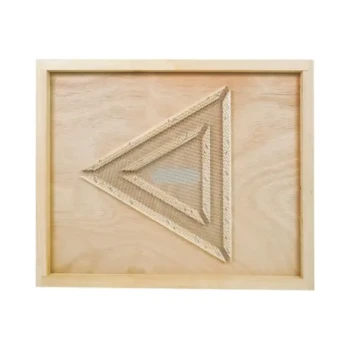
The integration of screened-bottom boards and sticky trays creates a dual-action mechanical system for Varroa mite quantification and reduction. This configuration utilizes a precision mesh floor to allow parasites to fall away from the colony while an adhesive-lined tray captures them for counting. It provides a standardized, non-invasive method to assess mite loads and evaluate colony health without the need for chemical diagnostics.
This combined setup serves as the foundation for modern Integrated Pest Management (IPM), offering a mechanical barrier that prevents re-infestation while providing the quantitative data necessary for informed treatment decisions. For commercial suppliers, providing these as a unified kit addresses the essential need for reliable, chemical-free diagnostic tools.
The Mechanics of Physical Isolation and Capture
Precision Mesh and Natural Mite Drop
The screened-bottom board replaces traditional solid wood floors with a 3mm mesh. This specific aperture size is critical: it is large enough for Varroa mites to pass through but small enough to prevent honey bees from accessing the debris area.
As bees groom themselves or move throughout the hive, Varroa mites are naturally dislodged. The mesh ensures these mites fall out of the "bee space," preventing them from crawling back onto a host and effectively reducing the infestation rate by 13% to 21% through natural drop alone.
Adhesive Capture for Data Integrity
The sticky tray is placed directly beneath the mesh floor and coated with a substance like vegetable oil, cooking spray, or petroleum jelly. This adhesive layer is essential for securing the parasites, ensuring that wind or the movement of the mites does not allow them to re-enter the hive environment.
By capturing every mite that falls, beekeepers can perform a standardized assessment of the parasite load. This physical collection system provides the raw data needed to calculate the average daily mite fall rate, which is the gold standard for monitoring infestation levels across different environments.
Strategic Benefits for Large-Scale Management
Non-Invasive Diagnostic Accuracy
Unlike sugar shakes or alcohol washes, the screen-and-tray method is completely non-invasive. It allows for the monitoring of parasite resistance and tolerance without sacrificing bees or disrupting the brood nest.
This makes the system ideal for standardized testing across large commercial apiaries. It provides a consistent baseline for comparing the health of different genetic lines and the efficacy of various treatment agents.
Facilitating Rapid Response and Treatment Efficacy
This setup allows beekeepers to evaluate the "kill rate" of a treatment in real-time. By counting the mite drop before and after a medicinal application, the user can verify the overall efficacy of their pest control strategy.
For wholesalers, stocking these components as a full-spectrum portfolio item is vital. The ability to offer rapid fulfillment of these tools during the peak mite season ensures that beekeepers can respond to infestation spikes before colony collapse occurs.
Understanding the Trade-offs and Limitations
Data Lag and Environmental Variables
While highly effective for monitoring trends, the natural mite drop method can have a time lag. The mites captured on the tray represent a subset of the population that has already fallen, which may not always reflect the exact number of mites currently in the capped brood.
Environmental factors like high humidity or extreme wind can occasionally impact the debris on the tray. Users must be trained to differentiate between Varroa mites and other hive debris to ensure quantitative accuracy.
Maintenance and Cleaning Requirements
Sticky trays must be managed correctly to prevent them from becoming a breeding ground for other pests like Small Hive Beetles. They are typically left in place for three days to get an accurate average; leaving them longer can lead to a buildup of wax and pollen that obscures the mite count.
The mesh itself requires occasional inspection to ensure it hasn't been propped open with propolis or wax. Maintaining a clear physical barrier is essential for the mechanical control aspect of the system to function at peak efficiency.
How to Apply This to Your Inventory Strategy
The success of a Varroa monitoring program depends on the quality and availability of the hardware. Providing high-precision equipment ensures the data beekeepers collect is actionable and reliable.
- If your primary focus is one-stop sourcing: Offer bundled kits that include the screened-bottom board, a set of reusable sticky trays, and a counting grid to simplify the monitoring process for the end-user.
- If your primary focus is premium service and expertise: Ensure your technical documentation emphasizes the 3mm mesh standard and the necessity of the 3-day count average to establish your authority in honey bee health.
- If your primary focus is rapid order fulfillment: Maintain high stock levels of these components during the late summer and early autumn when mite loads peak and beekeepers require immediate diagnostic tools.
By integrating these mechanical tools into a comprehensive management strategy, you empower beekeepers to protect their colonies through precise, data-driven insights.
Summary Table:
| Component | Primary Function | Key Advantage |
|---|---|---|
| Screened-Bottom Board | 3mm precision mesh floor | Enables 13-21% natural mite reduction by isolating parasites. |
| Sticky Tray | Adhesive-lined capture surface | Secures fallen mites for accurate quantitative counting. |
| Combined System | Integrated IPM Diagnostic Tool | Provides non-invasive data for treatment efficacy & colony health. |
| 3-Day Count | Standardized monitoring window | Establishes a reliable daily mite fall rate for informed management. |
Partner with HONESTBEE for Premium Beekeeping Wholesale Solutions
Equip your clients with the precision tools they need for successful Integrated Pest Management. As a leading one-stop sourcing partner, HONESTBEE caters to commercial apiaries and B2B distributors with a comprehensive, full-spectrum product portfolio. From high-accuracy screened-bottom boards and consumables to specialized hive-making and honey-filling machinery, we provide the hardware that drives industry success.
Why choose HONESTBEE?
- Deep Industry Expertise: Professional-grade equipment designed for large-scale operations.
- Rapid Fulfillment: Ultra-fast delivery to meet seasonal peaks in mite monitoring demands.
- Premium Service: Dedicated support with a focus on OEM/ODM capabilities and reliable supply chains.
- One-Stop Sourcing: Everything from essential consumables to honey-themed cultural merchandise.
Ready to enhance your inventory with high-demand diagnostic tools and professional equipment? Contact us today to explore our wholesale offerings and see how our rapid response times and expert service can grow your business.
References
- Mohamed Alburaki, Lionel Garnery. Effects of landscape variation on thermoregulation and performance in <i>Apis mellifera</i> honey bee colonies: insights from mtDNA haplotypes. DOI: 10.1080/00218839.2024.2380936
This article is also based on technical information from HonestBee Knowledge Base .
Related Products
- Australian Pine Wood Langstroth Screen Bottom Board for Wholesale
- Langstroth Screen Bottom Board for Beekeeping Wholesale
- Solid Bottom Board Australian Pine Wood Langstroth Bottom Board for Wholesale
- Langstroth Solid Bottom Board for Beekeeping
- HONESTBEE Wooden Bee Escape Board with Triangle Mesh Design for Beekeeping
People Also Ask
- How are screen bottom boards and sticky boards utilized to detect Varroa mites? Master Passive Apiary Monitoring
- What is the primary function of a screen bottom board? Achieve Accurate Varroa Mite Assessment in Your Apiary
- Why is the combination of a screen bottom board and a sticky trap board essential for monitoring Varroa mite? Guide
- What is the primary function of a standard screen bottom board when assessing honeybee grooming behavior? - Key Mite Data
- What role do screen bottom boards and monitoring inserts play in assessing Varroa mite mortality and maintaining hive hygiene in Langstroth hives?