Specialized diluents like Tris buffer act as a critical life-support system for honeybee semen, enabling survival outside the drone by replicating the insect's natural physiological environment. By maintaining a specific alkaline pH of approximately 8.5 and delivering a mixture of sugars, amino acids, and antibiotics, these buffers actively sustain sperm activity and health for extended periods.
The use of Tris buffer transforms honeybee breeding by extending semen viability for several weeks. This capability decouples genetic exchange from the movement of live bees, significantly improving biosecurity and simplifying access to high-quality genetics.
Creating an Optimal Ex Vivo Environment
To preserve honeybee semen effectively, the diluent must perform three specific physiological functions that mimic the internal environment of the bee.
Maintaining Physiological pH
Honeybee sperm is highly sensitive to acidity. Tris buffer is formulated to lock the pH at approximately 8.5. This alkalinity is essential for preventing chemical shock and maintaining cell integrity once the semen is removed from the drone.
Providing Essential Nutrients
Survival outside the body requires a consistent energy source. The diluent is enriched with sugars and amino acids. These nutrients fuel the metabolic processes of the sperm, ensuring they remain active and viable during the holding period.
Controlling Contamination
The process of collection and storage introduces the risk of bacterial growth. To mitigate this, specialized diluents include antibiotics. This additive prevents bacterial proliferation that would otherwise degrade the quality of the genetic material.
Extending Viability and Logistics
Beyond immediate chemical support, specialized diluents alter the logistical landscape of bee breeding by manipulating time and temperature constraints.
Flexible Storage Options
Without a buffer, semen viability degrades rapidly. With Tris buffer, semen can be stored for several weeks. This preservation is effective at both room temperature and under refrigeration at approximately 12°C, offering flexibility in how samples are handled.
Facilitating Long-Distance Transport
The extended shelf life provided by the nutrient-rich buffer allows for the shipping of genetic material. Breeders can transport semen across great distances without the urgency required for fresh, unbuffered samples.
Reducing Risk in Genetic Exchange
The most profound impact of using specialized diluents lies in how they change the safety protocols of apiculture.
Mitigating Disease Transmission
Transporting live bees is a primary vector for spreading diseases and pests between apiaries. By shipping buffered semen instead of live insects, you eliminate the carrier. This significantly reduces the biosecurity risks associated with introducing new genetics.
Simplifying Genetic Access
Breeders often struggle to access specific genetic traits due to geographic isolation. Buffered diluents simplify the exchange of high-quality genetic resources. This allows for the improvement of local stock without the logistical complexity of moving hives or queens.
Understanding the Limitations
While Tris buffer provides significant advantages, it is important to recognize the constraints of liquid preservation to avoid potential losses.
Finite Storage Windows
This method offers short-term preservation, not indefinite storage. The viability extends to several weeks, not months or years. It is a solution for active breeding seasons and transport, rather than long-term bio-banking (which would require cryopreservation).
Temperature Precision
Although the buffer allows for storage at room temperature or 12°C, it does not make the sample immune to environmental extremes. Significant deviations from these recommended temperatures during transport can still compromise the integrity of the sperm.
Making the Right Choice for Your Breeding Program
Utilization of specialized diluents allows for a strategic approach to genetic improvement.
- If your primary focus is biosecurity: Prioritize importing buffered semen over live bees to safeguard your apiary against the introduction of exotic pests and pathogens.
- If your primary focus is logistical flexibility: Leverage the multi-week storage window to batch your insemination schedules, rather than being forced to use genetic material immediately upon extraction.
By utilizing specialized diluents to decouple genetic exchange from the physical movement of bees, you empower yourself to build a stronger, healthier apiary using global resources safely.
Summary Table:
| Function | Key Contribution | Benefit to Breeding |
|---|---|---|
| pH Regulation | Maintains alkaline pH (~8.5) | Prevents chemical shock & cell damage |
| Nutrient Supply | Sugars & amino acids | Fuels metabolism for extended survival |
| Contamination Control | Integrated antibiotics | Prevents bacterial degradation of genetics |
| Storage Window | Viability for several weeks | Decouples collection from immediate use |
| Biosecurity | Eliminates live bee transport | Minimizes risk of pest and disease spread |
Elevate Your Breeding Precision with HONESTBEE
At HONESTBEE, we understand that high-quality genetics are the foundation of any successful apiary. We cater to commercial apiaries and distributors by providing a comprehensive wholesale range of beekeeping tools, specialized machinery, and essential consumables.
Whether you need advanced honey-filling machines to scale production or specialized equipment for queen rearing and genetic preservation, our portfolio is designed to enhance your operational efficiency and biosecurity.
Ready to upgrade your apiary’s capabilities? Contact us today to explore our wholesale offerings and discover how our expertise can support your growth in the global beekeeping industry.
References
- Susan Cobey. Comparison studies of instrumentally inseminated and naturally mated honey bee queens and factors affecting their performance. DOI: 10.1051/apido:2007029
This article is also based on technical information from HonestBee Knowledge Base .
Related Products
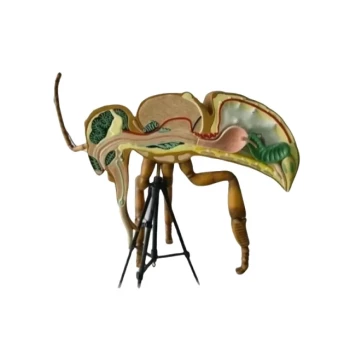
- HONESTBEE Anatomy Bee Model Detailed Anatomical Display for Education and Study
- HONESTBEE Professional Hive Top Bee Feeder Feeding Solution
People Also Ask
- How do honey bees utilize water to regulate the internal temperature of the hive? Master Evaporative Cooling Methods
- Is it good to have honey bees in your yard? A Guide to Boosting Your Garden's Health
- What criteria should be considered in the selection process for honey bee breeding? Top Traits for Sustainable Apiaries
- What should be considered when learning the behavior of honey bees and their queens? Master Colony Management
- Why is maintaining specific relative humidity levels critical in caged honey bee experiments? Ensure Research Validity