Precise relative humidity (RH) control is the linchpin of valid caged honey bee research, directly influencing both subject survival and data integrity. To ensure experimental success, you must maintain a specific RH range of 55% to 65% via climate control systems to prevent bee dehydration and maintain the physical consistency of their food source.
Core Takeaway Environmental control in bee experiments is not just about comfort; it is a strict requirement for data validity. Maintaining 55-65% humidity ensures that mortality rates reflect experimental variables rather than dehydration, and that nutrient intake data is not skewed by dried or inaccessible feed.
The Dual Impact of Humidity Control
Controlling the atmosphere within the cage affects the experiment on two distinct levels: the biological health of the subject and the physical properties of the experimental inputs.
Preventing Biological Stress
Honey bees in caged environments are removed from the colony's collective ability to regulate climate.
Without strict external controls, individual bees are highly susceptible to dehydration. Maintaining the RH between 55% and 65% provides the necessary atmospheric moisture to keep the bees physiologically stable and alive throughout the study.
Ensuring Feed Accessibility
The physical state of the experimental feed is just as critical as the bees themselves.
If humidity drops below the target range, liquid diets or sugar patties can dry out and harden rapidly. When feed changes consistency, it becomes difficult or impossible for bees to consume, regardless of their hunger levels.
Safeguarding Data Accuracy
The validity of intake data relies on the assumption that bees have constant access to food.
If feed hardens due to low humidity, a reduction in consumption might be misinterpreted as a biological response to a treatment. By preventing feed from drying out, you ensure that recorded intake changes are genuine and not artifacts of poor environmental control.
Risks of Improper Environmental Management
Failure to maintain the 55-65% window introduces variables that can invalidate an entire study.
The Mortality Variable
If humidity fluctuates or drops too low, bee mortality rates will likely increase due to desiccation.
This creates "noise" in your data, making it impossible to distinguish whether bees died from the experimental treatment or simply from lack of water.
The Consumption Artifact
When feed dries out, it loses water weight through evaporation.
If you measure consumption by weighing feeders, evaporation mimics consumption. This leads to false positives where the data suggests bees ate more than they actually did, or false negatives where bees physically could not eat the hardened food.
Making the Right Choice for Your Goal
To maximize the reliability of your caged bee experiments, strictly enforce the 55-65% humidity rule.
- If your primary focus is subject longevity: Prioritize humidity control to prevent dehydration, ensuring that mortality is driven by experimental factors rather than environmental stress.
- If your primary focus is nutritional analysis: Maintain stable humidity to prevent feed desiccation, ensuring that intake data reflects true consumption rather than evaporation or hardening.
Control the environment rigidly, so you can trust the biology completely.
Summary Table:
| Factor | Recommended Level | Impact on Research |
|---|---|---|
| Relative Humidity (RH) | 55% – 65% | Prevents bee dehydration and maintains physiological stability. |
| Feed Consistency | Stable/Liquid | Prevents hardening of diets, ensuring constant nutrient accessibility. |
| Data Integrity | High Accuracy | Distinguishes between treatment effects and environmental noise. |
| Survival Rates | Controlled | Ensures mortality data reflects experimental variables, not desiccation. |
Elevate Your Beekeeping Operations with HONESTBEE
At HONESTBEE, we understand that precision is the foundation of success, whether in the laboratory or the field. We specialize in supporting commercial apiaries and distributors by providing a comprehensive range of professional-grade beekeeping tools, machinery, and essential consumables.
Our value to your business includes:
- Advanced Machinery: From hive-making to honey-filling machines designed for high-efficiency production.
- Professional Equipment: A full spectrum of specialized hardware tailored for large-scale operations.
- Wholesale Solutions: Reliable supply chains for all your industry consumables and honey-themed merchandise.
Ready to optimize your production and scale your business? Contact us today to explore our wholesale offerings and see how HONESTBEE can empower your apiary with industry-leading technology.
References
- Solomon Zewdu Altaye, Sue W. Nicolson. Convergence of carbohydrate-biased intake targets in caged worker honeybees fed different protein sources. DOI: 10.1242/jeb.046953
This article is also based on technical information from HonestBee Knowledge Base .
Related Products
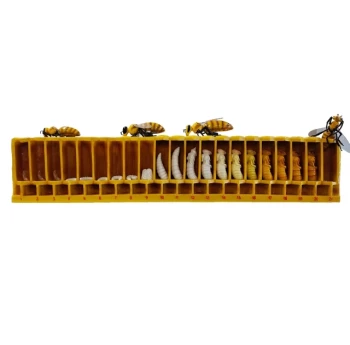
- Honey Bee Lifecycle Model: A Detailed Honeycomb Display of Bee Development
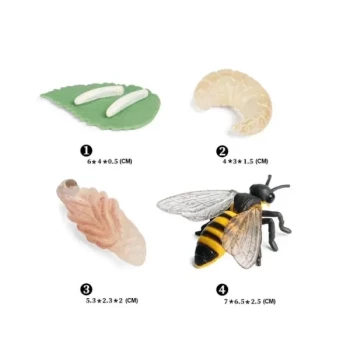
- Honey Bee Life Cycle Model 4 Stage Educational Set for Kids Learning
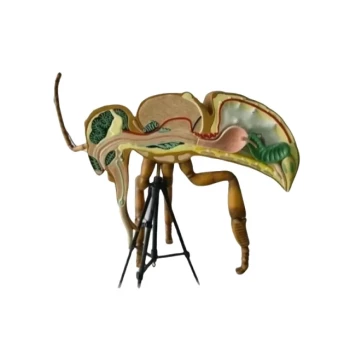
- HONESTBEE Anatomy Bee Model Detailed Anatomical Display for Education and Study
- HONESTBEE Professional Hive Top Bee Feeder Feeding Solution
- Galvanized Beekeeping Smoker for Honey Bee and Apiculture
People Also Ask
- Are honey bees good to have around? The Essential Role and Ecological Impact of Bees
- Why does standardized equipment lower honey bee winter loss? Master Large-Scale Beekeeping Success
- Do honey bees leave their hives? Understanding the Critical Role of Swarming
- What activities require a lot of energy for honey bees? Understanding the Colony's Energy Budget
- How do honey bees develop from egg to adult? The Complete 4-Stage Metamorphosis Guide