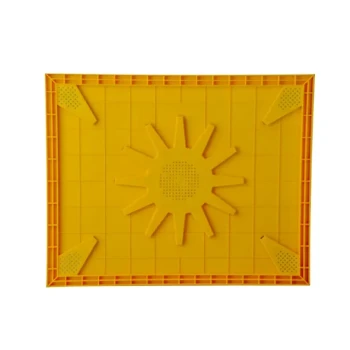
Specialized internal hive structures, particularly propolis collection boards, function by actively triggering the colony’s instinct to gather and apply plant resins. This results in the formation of an antimicrobial barrier that acts as an external immune system for the hive, directly inhibiting the growth of dangerous pathogens and parasites while maintaining overall colony vitality.
By introducing textured surfaces that mimic natural nesting sites, these structures correct a deficiency in standard smooth-walled hives, allowing bees to construct a protective "propolis envelope" that sterilizes the hive environment and reduces biological stress.
Enhancing the Colony's Social Immunity
The primary function of specialized structures like propolis boards is to augment the colony's "social immune system." Unlike individual immunity, this is a collective defense mechanism derived from the shared environment.
The Antimicrobial Barrier
Propolis is not merely a structural adhesive; it is a potent natural antimicrobial material. When bees are induced to coat hive surfaces with this resin, they create a sterilization film.
Pathogen Inhibition
This propolis layer actively suppresses the growth of bacteria, fungi, and viruses within the hive. By lowering the overall pathogen load in the environment, the colony spends less energy fighting infection and more energy on foraging and brood rearing.
Replicating the Natural Environment
Standard commercial beehives often fail to support natural bee health behaviors due to their design. Specialized interiors bridge the gap between artificial boxes and natural habitats.
The Limitation of Smooth Surfaces
Standard wooden hives typically feature smooth inner walls. While convenient for beekeepers, these surfaces are not conducive to propolis application, causing bees to gather less resin than they would in nature.
Mimicking Tree Hollows
Supplementary research indicates that modified hives with striated, ridged, or rough inner walls simulate the interior of a hollow tree. This physical feedback encourages bees to construct a comprehensive propolis envelope.
Physiological Impact
The presence of this envelope does more than kill germs; it supports the colony’s physiological state. A lower pathogen load reduces stress, which contributes to a healthier, more robust population.
Structural Design and Colony Productivity
Beyond propolis collection, the physical engineering of the hive plays a critical role in regulating population density and biological productivity.
Insulation and Brood Rearing
Optimized hive structures with superior insulation capabilities assist in thermoregulation. This stability stimulates the queen to increase egg-laying rates.
Population Density
Higher egg-laying rates result in a surge of capped worker brood. This eventually leads to a higher density of adult bees and foragers, directly enhancing the commercial output and resource acquisition capabilities of the hive.
Understanding the Trade-offs
While enhancing the hive structure offers significant health benefits, it introduces operational complexities that must be managed.
Handling Difficulty
Propolis is extremely sticky and hardens significantly as temperatures drop. Encouraging massive propolis collection can glue hive components together, making inspections more difficult and time-consuming for the beekeeper.
Standardization Issues
Modified interiors with ridges or specialized boards may not be compatible with standard extraction equipment or hive tools. Implementing these structures often requires a shift in management style and equipment compatibility checks.
Making the Right Choice for Your Goal
Selecting the right hive structure depends on whether your priority is maximizing immediate ease of management or long-term colony resilience.
- If your primary focus is Disease Resistance: Prioritize hives with roughened inner walls or propolis collection boards to stimulate the creation of a natural antimicrobial envelope.
- If your primary focus is Rapid Population Growth: Focus on hive materials that offer superior insulation to stabilize brood temperatures and maximize the queen's egg-laying rate.
- If your primary focus is Precision Management: Integrate sensor-based internal structures to monitor humidity and temperature in the brood core, allowing for early detection of colony stress.
Ultimately, the most effective hive structures are those that allow the colony to deploy its ancient, natural defenses within a modern management system.
Summary Table:
| Feature | Biological Impact | Primary Benefit |
|---|---|---|
| Propolis Boards | Triggers resin-gathering instincts | Creates an antimicrobial "social immune system" |
| Textured Inner Walls | Mimics natural hollow tree interiors | Encourages the formation of a protective propolis envelope |
| Enhanced Insulation | Improves thermal regulation | Stabilizes brood rearing and increases egg-laying rates |
| Antimicrobial Barrier | Lowers environmental pathogen load | Reduces biological stress and saves energy for foraging |
Secure the Future of Your Apiaries with HONESTBEE
Are you looking to enhance colony resilience and maximize yield? HONESTBEE specializes in professional-grade beekeeping solutions tailored for commercial apiaries and global distributors. From specialized propolis collection tools to advanced hive-making and honey-filling machinery, we provide the full spectrum of equipment and industry consumables needed to run a high-performance operation.
Why partner with HONESTBEE?
- Comprehensive Wholesale Catalog: Everything from specialized hardware to honey-themed cultural merchandise.
- Expert Engineering: Equipment designed to replicate natural bee environments for superior health outcomes.
- Industry Reliability: We supply the tools that allow your business to thrive in a competitive market.
Take your beekeeping operations to the next level—contact us today to explore our wholesale offerings!
References
- Marina D. Meixner, Yves Le Conte. A current perspective on honey bee health. DOI: 10.1007/s13592-016-0449-3
This article is also based on technical information from HonestBee Knowledge Base .
Related Products
- 8 Frame and 10 Frame Propolis Trap Collector Screen for Propolis Collection
- HONESTBEE Multi Exit Plastic Bee Escape Board for Efficient Honey Harvesting
People Also Ask
- Why is a specific wooden frame required when installing a propolis screen? Optimize Your Propolis Harvest Efficiency
- What are the advantages of using propolis collector screens? Elevate Your Harvest to Pharmaceutical Purity
- How do propolis collection screens work? Discover material specs for commercial harvesting equipment
- How does the mesh size of a propolis collection screen influence the efficiency of propolis harvesting? Optimize Yields!
- How do commercial-grade plastic screens compare to custom fine-mesh screens? Maximize Your Propolis Yield & ROI