Specialized propolis screens harvest cleaner material by guiding bees to deposit propolis into removable slots instead of allowing it to accumulate on wooden hive equipment. Screens with approximately 3 to 4 mm slots are placed above the hive frames, where bees naturally fill the openings to seal perceived gaps. Once the slots are full, the screen is frozen and flexed, causing the brittle propolis to release cleanly with far less labor and contamination than manual scraping.
The central advantage is controlled collection: a propolis screen separates the harvest surface from wood, paint, old wax, and hive debris, producing a more consistent raw material while reducing labor and downstream refining requirements.
How Specialized Propolis Screens Work
The screen uses natural bee behavior
Honeybees instinctively seal small gaps in the hive with propolis. A specialized screen or grid recreates these gaps in a controlled, removable surface.
The bees gradually plug the narrow openings with resinous propolis rather than depositing all of it on permanent hive components.
Slot dimensions encourage collection
Commercial screens commonly use slots about 3 to 4 mm wide. These openings are narrow enough to encourage bees to fill them, while remaining practical for later removal.
Some screens use slightly sloped slot walls. This design helps the hardened propolis detach more easily when the flexible screen is bent.
Freezing enables clean release
When the slots are sufficiently filled, the screen is removed from the hive and placed in a freezer. Cold temperatures make the propolis brittle.
Flexing the frozen screen then causes the propolis pieces to pop out of the openings. The collection process avoids scraping directly against wood and can be repeated with the same screen, depending on the product design and operating practice.
Why Screens Produce Higher-Purity Propolis
The collection surface is isolated from wood
Manual scraping removes propolis from wooden frames, hive walls, box edges, and other equipment. The scraping action can carry wood shavings into the harvested material.
A screen provides a dedicated collection surface, so the propolis is deposited in a structure designed for separation rather than cut from the hive itself.
Physical impurities are reduced
Direct scraping can introduce wood chips, paint flakes, old wax, bee debris, and other hive contaminants. Screens substantially reduce contact with these sources.
This does not make the harvest automatically pure or ready for final sale. Sorting, storage, and subsequent processing still affect quality, but the starting material is more controlled.
Raw-material consistency improves
A cleaner collection method supports more consistent batches for processors, wholesalers, and manufacturers. It also reduces the difficulty of separating unwanted solids during later refining.
For pharmaceutical, food, and health-supplement supply chains, this consistency can improve the practical value of the raw propolis, subject to the buyer’s testing and specification requirements.
Manual Scraping Versus Screen Harvesting
Manual scraping is direct but labor-intensive
Traditional scraping involves removing hardened propolis from hive equipment with a knife, scraper, or similar tool. It is straightforward and requires no dedicated collection screen.
However, the method demands repeated manual effort and often produces a mixture of propolis and material removed from the equipment surface.
Screens shift the work to a controlled cycle
With a screen, the beekeeper installs the collector, waits for the bees to fill the slots, removes it, freezes it, and flexes it for collection. The process uses the bees’ behavior to perform much of the deposition work.
The result is a more repeatable harvesting workflow, particularly when multiple screens are managed across many hives.
The labor profile is different
Screens reduce the need to scrape individual hive components. Their main labor requirements are installation, monitoring, removal, freezing, flexing, cleaning, and storage.
For commercial operations, the relevant comparison is not only the time spent collecting propolis. It also includes contamination control, batch handling, equipment cleaning, and downstream refining.
Commercial Benefits for Buyers and Resellers
Cleaner input can reduce processing burden
Lower initial contamination may reduce the amount of unwanted material that processors must remove. In turn, this can reduce refining complexity and solvent consumption, depending on the final purification method.
The economic benefit should be evaluated against the cost of screens, freezer capacity, labor, packaging, and quality testing.
Standardized equipment supports repeat orders
Specialized screens create a defined harvesting method that can be incorporated into standard operating procedures. This is useful for beekeepers supplying processors and for distributors building a consistent product portfolio.
A repeatable method also makes it easier to discuss product specifications, expected collection workflows, and delivery requirements with commercial customers.
One-stop sourcing improves operational efficiency
Distributors and B2B resellers may benefit from sourcing propolis screens alongside related beekeeping consumables and processing supplies. Consolidated purchasing can simplify supplier communication, order fulfillment, and inventory planning.
For time-sensitive customers, dependable stock availability and rapid response can matter as much as the screen’s technical design.
Understanding the Trade-offs
Screens require additional equipment
The freezing step is central to clean release, so operations need sufficient freezer capacity and an organized handling process. This may be less convenient for small-scale beekeepers with limited equipment.
The screen itself is also an added consumable or reusable tool that must be purchased, cleaned, inspected, and stored.
Harvest timing affects efficiency
Removing screens too early may produce a small collection, while leaving them in place too long can complicate handling or affect the colony’s use of the hive space. Operating conditions, colony strength, and local beekeeping practice influence the timing.
A screen is a collection aid, not a guarantee of a fixed yield.
Purity still depends on handling
Screens reduce contact with contaminants, but poor storage, dirty equipment, mixed batches, or improper packaging can still compromise the material. Harvested propolis should be handled according to the buyer’s cleanliness, moisture, traceability, and testing requirements.
Claims about pharmaceutical or food-grade suitability should be based on documented specifications and analytical verification rather than collection method alone.
Initial cost must be compared with total cost
Manual scraping may appear cheaper because it uses existing hive equipment. That comparison can be misleading when labor, contamination, sorting, refining, and inconsistent batch quality are included.
The right decision depends on scale, labor rates, required purity, freezing capacity, and the intended market.
How to Apply This to Your Operation
Specialized screens are most valuable when purity, repeatability, and efficient commercial handling matter.
- If your primary focus is higher-purity raw propolis: Use flexible screens with approximately 3 to 4 mm slots to reduce wood, paint, wax, and hive-debris contamination at the collection stage.
- If your primary focus is lower labor costs: Build the workflow around screen installation, batch removal, freezing, and flexing instead of scraping each hive component manually.
- If your primary focus is pharmaceutical or supplement supply: Treat screen harvesting as a contamination-control step, then add documented handling procedures and appropriate quality testing.
- If your primary focus is distributor or reseller efficiency: Source screens through a supplier that can support a broader beekeeping portfolio, responsive communication, reliable inventory, and fast order fulfillment.
- If your primary focus is small-scale production: Compare the screen’s equipment and freezer requirements with the labor and refining costs of manual scraping before standardizing the method.
For commercial propolis harvesting, a specialized screen turns an uncontrolled scraping task into a more repeatable collection and handling process.
Summary Table:
| Collection Method | Purity Level | Labor Intensity | Equipment Needs |
|---|---|---|---|
| Specialized Screens | Higher (less contamination) | Lower (controlled cycle) | Screen, freezer, handling tools |
| Manual Scraping | Lower (more impurities) | Higher (repeated scraping) | Knife or scraper |
Ready to enhance your propolis harvest quality and operational efficiency? At HONESTBEE, we supply specialized propolis screens, hive tools, and a full range of beekeeping equipment. As a one-stop partner for commercial apiaries and distributors, we offer fast delivery, expert support, and custom sourcing. Contact us today to discuss your wholesale needs and let us help streamline your supply chain.
Related Products
- 8 Frame and 10 Frame Propolis Trap Collector Screen for Propolis Collection
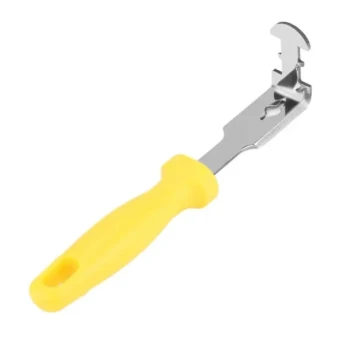
- Heavy Duty Stainless Steel Frame Cleaner with Plastic Handle
People Also Ask
- Why is a specific wooden frame required when installing a propolis screen? Optimize Your Propolis Harvest Efficiency
- What are the advantages of using propolis collector screens? Elevate Your Harvest to Pharmaceutical Purity
- How do propolis collection screens work? Discover material specs for commercial harvesting equipment
- How does the mesh size of a propolis collection screen influence the efficiency of propolis harvesting? Optimize Yields!
- How do commercial-grade plastic screens compare to custom fine-mesh screens? Maximize Your Propolis Yield & ROI