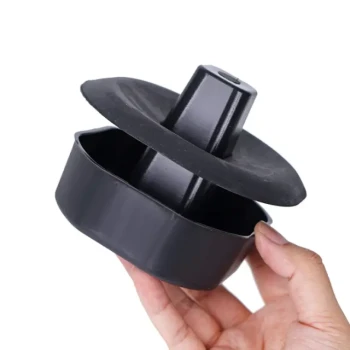
Applying oil to hive stand legs effectively disrupts the traction and path of crawling predators. By coating the vertical supports with a high-viscosity substance, you create a slippery, sticky surface that insects like ants physically cannot traverse. This simple modification turns the stand legs into a gatekeeper, isolating the hive from ground-based threats.
The application of oil serves as a continuous defense perimeter, simultaneously physically blocking and chemically deterring pests. This prevents the persistent harassment that often drives colonies to abandon their hives.
The Mechanics of the Barrier
Creating a Continuous Seal
To be effective, the barrier must be unbroken. Applying oil creates a complete ring around each leg of the hive stand.
Any gap in the oil application provides a bridge for pests to cross. A continuous coating ensures there is no safe footing for insects attempting to climb up toward the hive.
Physical and Chemical Action
The primary function is physical. High-viscosity oil prevents insects from gaining the grip necessary to climb vertical surfaces.
However, the barrier also functions as a chemical deterrent. The nature of the oil itself repels many insects, discouraging them from even attempting to cross the treated zone.
Targeting Crawling Predators
This method is specifically designed to stop crawling enemies.
Predators such as ants are the primary targets, as they march in columns up hive stands to raid the colony. The oil barrier severs their only access route.
Protecting Colony Integrity
Preventing Direct Predation
When the barrier is intact, predators cannot reach the hive interior.
This directly protects the bees and their larvae from being eaten. Without this barrier, aggressive ants can overwhelm a colony and decimate the brood.
Reducing Colony Disturbance
Beyond direct predation, pests cause significant stress to the bees.
Persistent disturbance by natural enemies puts the colony in a defensive state. By eliminating this stress, the oil barrier allows the colony to focus on foraging and brood rearing.
Preventing Absconding
A critical benefit of this method is the prevention of colony migration.
When a colony faces constant harassment from ants or other pests, they often "abscond," or abandon the hive entirely to find a safer location. The oil barrier removes the trigger for this behavior, stabilizing the apiary.
Understanding the Trade-offs
Specificity of Defense
It is important to recognize that this method is limited to ground-based threats.
While highly effective against ants, oil barriers do not protect against flying predators like wasps or hornets. It is a specialized tool for specific pests, not a catch-all solution.
Maintenance Requirements
High-viscosity oil is durable, but it is not permanent.
Dust, debris, and weather can eventually degrade the barrier, reducing its stickiness and effectiveness. Regular inspection and re-application are necessary to maintain the perimeter.
Implementing This Strategy in Your Apiary
This low-cost solution is most effective when integrated into a regular maintenance schedule.
- If your primary focus is Pest Exclusion: Apply a thick, continuous band of high-viscosity oil to every leg of the stand to physically block ant access.
- If your primary focus is Colony Retention: Use this method immediately if you notice signs of agitation or ant activity to prevent the bees from absconding due to stress.
By securing the path from the ground to the hive, you provide your bees with the stability they need to thrive.
Summary Table:
| Feature | Functionality | Impact on Hive |
|---|---|---|
| Mechanism | Creates a high-viscosity, slippery surface | Disrupts traction for crawling insects |
| Target Pests | Primarily ants and ground-based predators | Prevents direct predation of larvae and bees |
| Action Type | Dual: Physical barrier and chemical deterrent | Severs access routes and repels pests |
| Colony Benefit | Reduces environmental stress and disturbance | Prevents absconding and stabilizes the colony |
| Maintenance | Requires regular inspection and re-application | Ensures a continuous, unbroken defense seal |
Secure Your Apiary with HONESTBEE Professional Solutions
Protecting your colonies from persistent pests requires both smart strategies and the right equipment. HONESTBEE specializes in supporting commercial apiaries and distributors with a comprehensive range of high-quality beekeeping tools and machinery. From durable hive-making and honey-filling machines to essential industry consumables and honey-themed cultural merchandise, we provide the hardware you need to scale your operations.
Ready to upgrade your wholesale beekeeping supply? Contact us today to discover how our expert solutions can enhance your efficiency and safeguard your honey production.
References
- Kalayu Aregawi, Tiruneh Woreknesh. Challenges and opportunities of honey production in north- east dry land areas of Amhara National Regional State, Ethiopia. DOI: 10.5897/jabsd2018.0308
This article is also based on technical information from HonestBee Knowledge Base .
Related Products
- Metal Hive Feet Bee Hive Stand for Ant Protection
- Professional Ant-Proof Beehive Stand with Integrated Moat for Beekeeping
- Professional Galvanized Steel Frame Rest for Beehives
- Plastic Bee Hive Stand for Beekeeping
- Metal Bee Hive Stand Bee Box Stand for Beekeeping
People Also Ask
- What are the benefits of elevating a bee hive with a stand or base? Protect Your Colony and Your Back
- How does a beehive stand protect against predators and pests? Essential Strategies for Colony Security
- How should the height of a beehive stand be determined? Find Your Ergonomic Sweet Spot
- What to stand a beehive on? The Best Foundation for a Healthy, Manageable Apiary
- What is the best base for a beehive? Choose the Right Stand for Colony Health