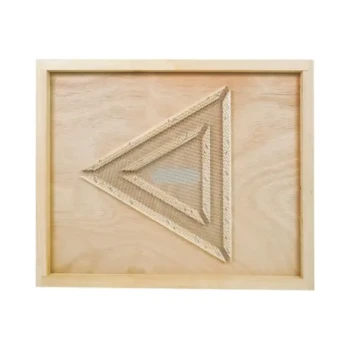
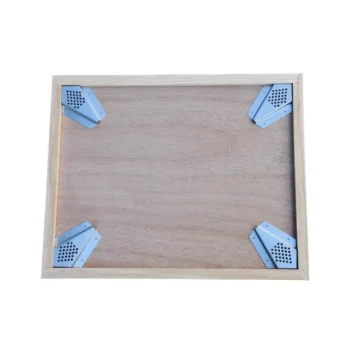
To ensure the longevity of a wooden solid bottom board, you must treat the raw material before exposure to the elements. The most effective methods are to prime and paint the surface or apply a dedicated wood preservative, strictly ensuring the finish is fully cured before use.
The lifespan of wooden hive components relies on protection against moisture and decay, but the safety of the colony depends entirely on the elimination of chemical fumes before installation.
Protecting the Wood Interface
Option 1: Priming and Painting
To maximize the board's lifespan, you can create a physical barrier using paint.
Start by applying a high-quality primer to the raw wood. Follow this with a durable topcoat of paint to seal the surface against external moisture.
Option 2: Wood Preservatives
Alternatively, you may treat the raw wood directly with a wood preservative.
This method often penetrates deeper into the wood fibers. It provides resistance against decay that might occur if a surface layer of paint is scratched or chipped.
Ensuring Colony Safety
The Critical Drying Phase
Regardless of whether you paint or preserve, the board must be completely dry before use.
Introducing equipment that is still "tacky" or damp with chemicals introduces unnecessary risks to the hive environment.
Eliminating Chemical Fumes
You must confirm the board is free of any fumes from the treatment.
Bees are sensitive to chemical odors and toxins. Do not allow bees to enter the hive until the board has aired out sufficiently and is odorless.
Understanding the Trade-offs
The Risk of Rushing Application
The most common pitfall is installing the board too soon after treatment.
If the board retains fumes, it creates a toxic environment for the bees. Patience during the curing process is non-negotiable for colony health.
The Cost of Neglect
Leaving the wood untreated allows moisture to degrade the bottom board rapidly.
While skipping treatment saves time initially, it leads to premature equipment failure and the need for frequent replacements.
Making the Right Choice for Your Goal
To balance durability with safety, apply the following principles:
- If your primary focus is maximum longevity: Prioritize priming and painting to create a solid, external seal against the elements.
- If your primary focus is colony safety: Ensure you allow ample time for the treated wood to off-gas and dry completely before installation.
Treat the wood to protect your investment, but dry the wood to protect your bees.
Summary Table:
| Feature | Priming & Painting | Wood Preservatives |
|---|---|---|
| Primary Benefit | Creates a durable external moisture barrier | Deep penetration into wood fibers |
| Protection Type | Surface-level physical seal | Resistance against rot and decay |
| Ease of Repair | High (requires simple repainting) | Moderate (re-application may be needed) |
| Safety Focus | Must be fully cured to remove paint fumes | Must be completely odorless before use |
| Best For | Maximum external weather resistance | Long-term wood structure preservation |
Maximize Your Apiary's ROI with HONESTBEE
Protecting your wooden hive components is just the first step in maintaining a productive commercial apiary. As a premier provider for commercial beekeepers and global distributors, HONESTBEE offers more than just advice—we supply the high-quality tools and industrial machinery you need to scale your operations efficiently. From durable woodenware and specialized hive-making machines to advanced honey-filling equipment and honey-themed cultural merchandise, our comprehensive wholesale portfolio is designed to support your growth.
Ready to upgrade your equipment or stock your distribution line with industry-leading supplies?
Contact HONESTBEE today for a personalized quote and discover how our expertise and extensive product range can drive your beekeeping success.
Related Products
- Solid Bottom Board Australian Pine Wood Langstroth Bottom Board for Wholesale
- Australian Pine Wood Langstroth Screen Bottom Board for Wholesale
- Langstroth Solid Bottom Board for Beekeeping
- Langstroth Screen Bottom Board for Beekeeping Wholesale
- HONESTBEE Wooden Bee Escape Board with Triangle Mesh Design for Beekeeping
People Also Ask
- In what conditions is a solid bottom board preferred over a screened bottom board? Maximize Hive Heat and Treatment
- What are the characteristics of a solid bottom board? A Guide to Hive Foundation & Climate Control
- What is the primary function of a solid bottom board on a beehive? Key Benefits for Hive Stability and Insulation
- How should a solid bottom board be cleaned? Essential Scraping Tips for Apiary Hygiene
- How is the wood of the solid bottom board treated to enhance its durability? Discover the 100% Beeswax Dipping Secret