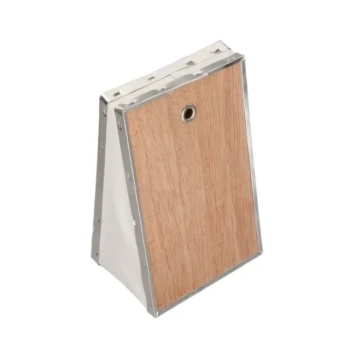
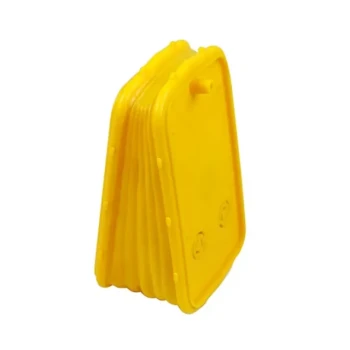
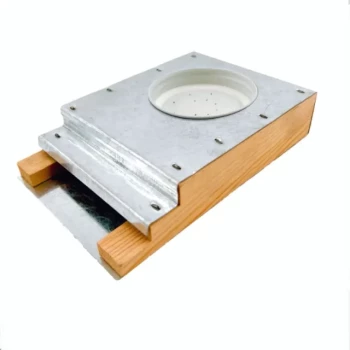
The three standard methods for replenishing honey bee feeders are pouring directly from a bucket, utilizing a funnel for precision, or employing mechanical pumps. While pouring and funnels are common for smaller apiaries, mechanical pumps are the industry standard for large-scale operations, allowing for the rapid transfer of syrup from storage tanks directly into the feeders.
The effectiveness of your feeding strategy relies on more than just the filling method; it requires a strict adherence to syrup preparation safety and the use of feeder equipment designed to prevent bee mortality.
Operational Methods for Refilling
Direct Pouring
The most basic method involves pouring syrup directly from a bucket. This requires no specialized equipment but demands a steady hand to avoid spillage outside the feeder.
Funnel Assistance
Using a funnel provides a significantly more controlled pour. This reduces waste and prevents syrup from spilling onto the hive components, which can attract robber bees or pests.
Mechanical Pumps
For efficiency in larger operations, mechanical pumps are utilized. These systems move syrup directly from bulk storage tanks to the feeders, drastically reducing the physical labor and time required to feed hundreds of colonies.
Critical Safety Considerations
preventing Bee Drowning
A major trade-off when introducing liquid feed is the risk of drowning the bees you intend to help. Feeders must be equipped with safety mechanisms to mitigate this risk.
Required Feeder Features
Effective feeders utilize textured surfaces for grip, galvanized steel safety screens, or "cap and ladder" systems. These features allow bees to access the syrup without falling into the main volume of liquid.
The Consequences of Mortality
Regular monitoring is essential because drowned bees decompose and accelerate syrup fermentation. Once syrup ferments, the colony will ignore the food source, rendering your feeding efforts useless.
Syrup Preparation Standards
The Spring Ratio
For spring feeding to stimulate brood rearing, use a 1:1 ratio of granulated white sugar to water. For example, mix 1 kilogram of sugar with 1 liter of water.
Temperature Control
You should boil the water first, remove it from the heat, and then dissolve the sugar. Never boil the sugar and water together.
The Danger of Caramelization
Boiling the mixture can cause caramelization, creating a substance that is deadly to honey bees. Always allow the syrup to cool completely before pouring it into the hive feeders.
Making the Right Choice for Your Goal
- If your primary focus is small-scale management: Utilize the bucket-and-funnel method to ensure precision and prevent spills that attract pests.
- If your primary focus is commercial efficiency: Invest in mechanical pumps to minimize labor costs and time per hive.
- If your primary focus is colony health: Prioritize feeders with ladders or screens and strictly avoid boiling your syrup mixture to prevent toxicity.
By selecting the appropriate filling method and strictly adhering to preparation safety, you ensure the vitality required for a productive honey season.
Summary Table:
| Refilling Method | Scale of Operation | Key Benefit | Equipment Needed |
|---|---|---|---|
| Direct Pouring | Small-scale / Hobbyist | Simple & No extra cost | Bucket |
| Funnel Assistance | Small to Mid-sized | Precision & Less waste | Large funnel |
| Mechanical Pumps | Commercial | High speed & Low labor | Pumps & Storage tanks |
| Cap & Ladder | All Scales | Prevents bee drowning | Specialized feeders |
Scale Your Honey Production with HONESTBEE
At HONESTBEE, we empower commercial apiaries and distributors with the high-capacity tools needed for professional success. From advanced honey-filling machines and automated feeding systems to durable hive-making hardware, our comprehensive wholesale portfolio is designed to maximize your operational efficiency.
Whether you are looking to streamline your feeding process or upgrade your entire extraction line, our team provides the expertise and equipment to help your business thrive. Contact us today to discover our full range of beekeeping machinery and consumables!
Related Products
- HONESTBEE Round Hive Top Bee Feeder for Syrup
- Professional Replacement Bee Smoker Bellows for Beekeeping Equipment
- HONESTBEE Entrance Bee Feeder Efficient Hive Front Liquid Feeding Solution for Beekeeping
- Rapid Bee Feeder White Plastic 2L Round Top Feeder for 8 or 10-Frame Bee Hives
- White Plastic 0.5L Beekeeping Entrance Feeder for Bees
People Also Ask
- What can the round hive top feeder be used for? A Guide to Efficient, Safe Bee Feeding
- What types of hive boxes is the round hive top feeder compatible with? Universal Fit for 8 & 10-Frame Langstroth Hives
- What is the capacity of the round hive top feeder for syrup and pollen? A Guide to Targeted Apiary Support
- What types of feed can be used with the round hive top feeder? Versatile Feeding for Optimal Apiary Health
- What are the different types of top feeders for bees? Choosing the Best Feeder for Your Apiary