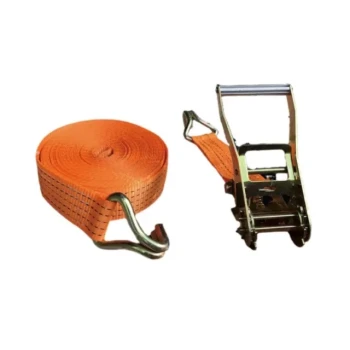
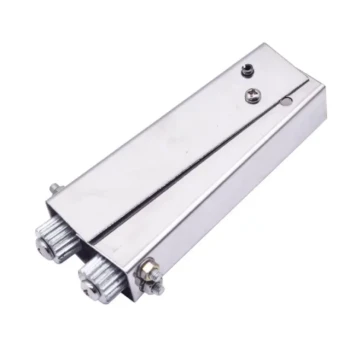
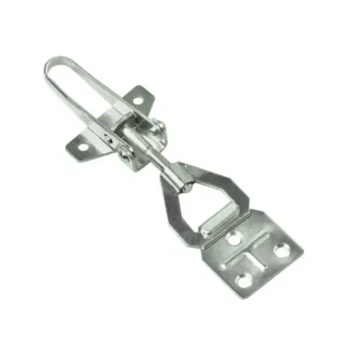
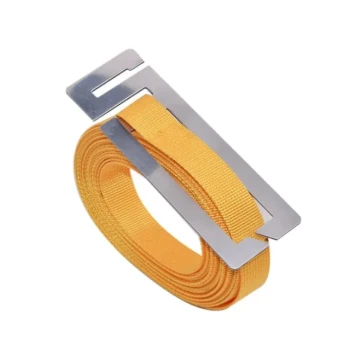
The primary function of specialized high-strength hanging wires and hooks is to achieve spatial isolation by suspending beehives from tree branches. This elevation serves as a critical defensive barrier, physically separating the hive from the forest floor to prevent predator intrusion and environmental degradation.
By lifting the apiary off the ground, this installation method acts as a dual-layer defense system: it blocks access for ground-crawling pests and eliminates direct contact with soil moisture. This ensures both the biological safety of the colony and the long-term durability of the equipment.
The Principle of Spatial Isolation
Preventing Predator Intrusion
The most immediate benefit of using high-strength suspension gear is the creation of a physical gap between the hive and the ground.
In wild environments, ground-crawling animals pose a significant threat to honey production. Ants and snakes are specifically blocked from reaching the hive, as the thin suspension wire offers no viable path for these predators to traverse.
Mitigating Moisture Damage
Beyond predation, the ground itself is a hazard due to accumulated moisture.
Direct contact with the forest floor accelerates the decay of hive materials. Suspension ensures the hive remains dry, effectively decoupling the equipment from ground dampness.
Long-Term Operational Benefits
Ensuring Biological Safety
The stability provided by high-strength hooks translates directly to colony health.
By removing the stress of predation and the risks associated with damp environments, the colony can focus energy on production rather than defense or repair. This leads to higher biological safety standards for the honey produced.
Extending Equipment Durability
Wild apiaries are often located in remote areas where maintenance is difficult.
Reducing the impact of moisture significantly extends the lifespan of the beehive material. This ensures that the equipment remains durable throughout long-term honey production cycles, reducing the need for frequent replacements.
Operational Considerations and Trade-offs
Dependence on Host Structure
While suspension offers protection, it introduces a dependency on the environment.
The system relies entirely on the structural integrity of the tree branches used for support. If the branch fails, the protection is lost, and the hive is destroyed.
Installation Complexity
suspending a hive is mechanically more complex than placing it on the ground.
It requires specialized, high-strength hardware capable of bearing dynamic loads over time. This adds a layer of initial complexity to the setup phase compared to ground-based apiaries.
Making the Right Choice for Your Project
When planning a wild apiary, the decision to use suspension hardware should be driven by your specific environmental risks.
- If your primary focus is predator control: Prioritize suspension to create an impassable barrier against ants and snakes, which are common in ground-level setups.
- If your primary focus is equipment longevity: Use hanging systems in areas with high soil moisture to prevent rot and extend the service life of your hives.
By effectively isolating the hive from the ground, you convert the natural environment from a threat into a sustainable production zone.
Summary Table:
| Feature | Primary Function | Key Benefit |
|---|---|---|
| Spatial Isolation | Suspends hive above ground | Blocks ants, snakes, and ground predators |
| Moisture Control | Decouples hive from soil | Prevents rot and extends hive equipment lifespan |
| High-Strength Gear | Supports dynamic weight loads | Ensures colony stability in wild forest environments |
| Biological Safety | Reduces environmental stress | Enhances honey production quality and colony health |
Secure Your Wild Apiary with HONESTBEE Professional Hardware
Transitioning to suspended apiaries requires hardware you can trust. HONESTBEE specializes in supporting commercial apiaries and distributors with premium, high-strength beekeeping tools and machinery. Whether you need specialized hive-making equipment, honey-filling machines, or the essential consumables required for large-scale production, we deliver the durability your business demands.
Maximize your apiary’s efficiency and protect your investment—contact us today to explore our wholesale hardware solutions!
References
- Nashon K.R. Mushimba, Elijah M. Mutungi. The Socio-Economics, Culture and Ecology of Bee-Keeping Among the Akamba Community of Southern Kenya. DOI: 10.1080/09709274.2001.11907604
This article is also based on technical information from HonestBee Knowledge Base .
Related Products
- Heavy Duty Ratchet Hive Strap
- HONESTBEE Heavy Duty All Metal Frame Wire Crimper Tool
- Stainless Steel Bee Hive Frame Wire for Beekeeping
- Heavy Duty Adjustable Hive Connector
- Heavy-Duty Nylon Beehive Hive Strap with Stainless Steel Cinch Buckle
People Also Ask
- Why is the use of ratchet straps or high-strength ropes necessary for hive protection? Secure Your Colony Now
- What are the two styles of hive straps? Choose the Right Strap for Your Hive Security
- What maintenance do hive straps require? Keep Your Hives Secure with Simple Care Tips
- How should hive straps be stored? Prevent Tangles & Extend Strap Life
- What is the best choice for hive straps? Ratchet vs. Cam Buckle for Your Apiary