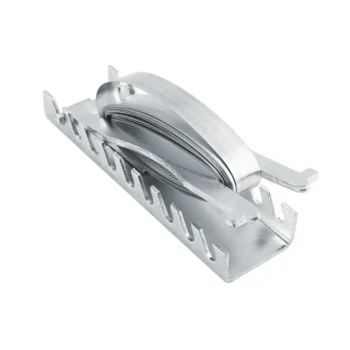
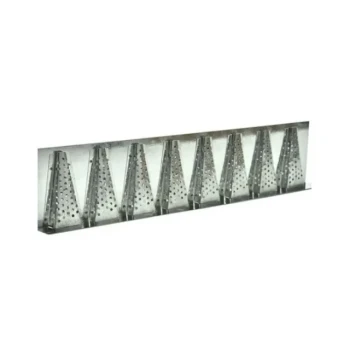
Beyond its primary role as a rodent barrier, a mouse guard functions as an essential containment tool for your apiary. It is specifically used to lock bees inside the hive while maintaining necessary airflow.
While generally installed to keep pests out, a mouse guard’s secondary function is to keep the colony in. It allows you to seal the hive for transport or protect foragers from temporary environmental hazards without suffocating them.
Using the Guard for Colony Containment
The mouse guard is a versatile piece of hardware that transforms your hive from an open system to a closed, secure unit. By adjusting the installation of the device, you change its function from a filter (allowing bees but stopping mice) to a gate (stopping bees).
Relocating the Hive
When you need to move a hive to a new location, the colony must be completely secured.
A mouse guard provides a robust physical barrier that prevents bees from escaping during transport. Unlike makeshift plugs, the stainless steel construction ensures the entrance remains secure even if the hive is jostled during the move.
Shielding from Pesticides
External environmental threats, such as a neighbor treating a nearby field with pesticides, can be devastating to a foraging workforce.
In this scenario, the mouse guard serves as a lockdown mechanism. By keeping the bees inside the hive during the spraying period, you prevent them from contacting toxic chemicals and bringing them back to the colony.
The Mechanism of Action
To utilize this feature, the guard must be positioned correctly.
According to standard practice, you should place the mouse guard with the small hole side down. This specific orientation effectively seals the entrance against bee traffic while keeping the device securely attached to the hive.
Understanding the Trade-offs
While using a mouse guard for containment is effective, it requires careful management to ensure the health of the colony.
Ventilation vs. Containment
The primary advantage of using a mouse guard over a solid block of wood is ventilation.
When bees are locked inside, their stress levels and activity can rise, generating significant heat. The mouse guard allows air to cycle through the entrance, mitigating the risk of suffocation or overheating that comes with sealing a hive completely.
The Importance of Timing
You cannot install the guard for containment in the middle of the day.
To be effective, the guard must be placed the night before the planned move or pesticide application. This ensures that all foragers have returned to the hive and are safely inside before the door is locked.
Making the Right Choice for Your Goal
When deciding how to position your mouse guard, consider your immediate objective.
- If your primary focus is Winterization: Install the guard to allow bee traffic but block the larger bodies of mice seeking warmth and honey.
- If your primary focus is Relocation or Protection: Install the guard with the small hole side down the night before to lock the colony inside the ventilated hive.
A mouse guard is more than a passive shield; it is an active management tool that secures your bees against both predators and environmental risks.
Summary Table:
| Feature/Function | Winterization (Standard) | Containment (Alternative) |
|---|---|---|
| Primary Goal | Prevent rodent entry | Lock bees inside hive |
| Installation Timing | Late fall/Pre-winter | Night before move/spraying |
| Orientation | Holes open for bee traffic | Small hole side down (Closed) |
| Airflow | High | High (Prevents overheating) |
| Typical Scenarios | Pest management | Relocation & Pesticide shielding |
Secure Your Apiary’s Success with HONESTBEE
Whether you are a commercial apiary managing thousands of colonies or a distributor supplying the next generation of beekeepers, HONESTBEE is your dedicated partner in professional-grade equipment. From durable stainless steel mouse guards and hive hardware to advanced honey-filling machines and essential industry consumables, we provide the full spectrum of tools needed to protect and grow your business.
Maximize your hive safety and operational efficiency today. Our comprehensive wholesale offerings are designed to meet the rigorous demands of large-scale beekeeping.
Contact our expert team now to discuss your wholesale needs
Related Products
People Also Ask
- What are the types of Emlocks available? Choose the Right Strap for Hive Security
- How does the performance of ratchet straps compare to cam buckle straps for securing beehives? Expert Comparison Guide
- What role do standardized beehive fastening and protective consumables play? Secure Colonies Against Natural Disasters
- What are the two styles of hive straps? Choose the Right Strap for Your Hive Security
- How should hive straps be stored? Prevent Tangles & Extend Strap Life