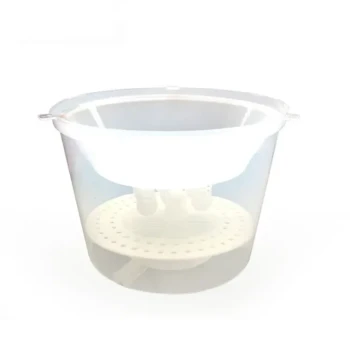
Modified Ontario pollen traps act as precise mechanical filters installed directly at the hive entrance to intercept pollen pellets carried by returning worker bees. Their primary function is to physically strip these pellets from the bees' legs before they enter the hive, allowing for the collection of samples without requiring the operator to open the hive body or disturb the colony's internal structure.
Core Takeaway While mechanically simple, the Modified Ontario pollen trap is a sophisticated tool for bio-monitoring. It allows operations to capture fresh pollen for commercial use or analysis while simultaneously generating data on local floral resources and bee foraging habits, all without compromising the colony's survival.
The Strategic Role of Pollen Traps
H2: Mechanics of Collection
Physical Interception
The trap is installed at the hive entrance, acting as a gateway that returning foragers must pass through. As bees navigate the device, it mechanically dislodges pollen pellets from their pollen baskets.
Non-Destructive Sampling
A defining feature of the Modified Ontario trap is its ability to facilitate non-destructive collection. Unlike internal hive manipulations that can stress the colony, this trap harvests material externally, preserving the integrity of the hive structure.
H2: Operational Insights and Analysis
Assessing Floral Structure
Commercial operations use these traps to accurately map the floral structure of specific regions. By analyzing the trapped pollen, beekeepers can identify exactly which botanical sources are available and blooming in the surrounding agricultural landscape.
Determining Foraging Preferences
The traps provide direct evidence of honey bee foraging preferences. This data reveals not just what plants are available, but which specific flora the bees are actively selecting, guiding decisions on hive placement and crop pollination management.
Nutritional and Botanical Analysis
Beyond immediate observation, the collected samples are used for subsequent botanical identification and nutritional analysis. This ensures the pollen collected meets quality standards for commercial distribution or research purposes.
Understanding the Trade-offs
H2: Balancing Harvest with Colony Health
The Retention Limit
While the goal is collection, total interception would starve the hive. These devices are typically designed to retain only a specific portion of the pollen—approximately 10%.
Ensuring Colony Viability
This partial collection strategy is critical. It allows for continuous monitoring and harvesting without disrupting the normal life cycle of the bee colony, ensuring the hive retains enough protein resources to rear brood and maintain population strength.
Making the Right Choice for Your Goal
To maximize the utility of Modified Ontario pollen traps, align their usage with your specific operational data needs:
- If your primary focus is Environmental Analysis: Use the trapped samples to identify specific botanical sources and map the floral structure of your apiary's region.
- If your primary focus is Colony Management: Monitor the trapped pollen to track foraging preferences and ensure bees are finding adequate nutritional resources in the current landscape.
- If your primary focus is Commercial Production: Utilize the traps to harvest fresh pollen for distribution, ensuring the equipment is set to the standard 10% retention rate to prevent colony collapse.
Used correctly, these traps bridge the gap between raw production and data-driven apiary management.
Summary Table:
| Feature | Function & Impact |
|---|---|
| Installation Point | Hive entrance for external, non-destructive interception. |
| Collection Mechanism | Mechanical filtering of pollen pellets from returning foragers' legs. |
| Retention Rate | Typically 10% to ensure colony protein needs and brood rearing. |
| Data Utility | Mapping regional floral structures and tracking foraging preferences. |
| Operational Benefit | Harvests commercial-grade pollen without disturbing hive integrity. |
Scale Your Commercial Apiary with HONESTBEE
Are you looking to optimize your pollen production or upgrade your apiary’s technical capabilities? HONESTBEE specializes in supporting commercial apiaries and distributors with a comprehensive range of professional equipment.
From Modified Ontario pollen traps and specialized hive-making machinery to honey-filling systems and industry consumables, we provide the tools you need to maximize efficiency and yield. Our portfolio is designed to help you leverage data-driven beekeeping and superior hardware for better business outcomes.
Ready to enhance your wholesale inventory or apiary performance?
Contact HONESTBEE Today for Specialized Beekeeping Solutions
References
- Roberto Quintero Domínguez, José Luís Reyes Carrillo. Espectro de polen corbicular de Apis mellifera en muestras de Huejotitán, Jalisco, México. DOI: 10.22319/rmcp.v12i2.4398
This article is also based on technical information from HonestBee Knowledge Base .
Related Products
- Removable Plastic Pollen Trap With Ventilated Tray for Bees Pollen Collector
- 30 cm Plastic Entrance Hole Bee Pollen Trap and Collector
- Plastic Bee Pollen Trap Strips Comb Catcher Collector
- High-Efficiency Diamond Maze Bee Escape for Clearing Supers
- Professional Multi-Component Bucket Wasp Trap
People Also Ask
- What are the design principles and advantages of pollen traps in the collection of bee pollen? Boost Your Apiary Yield
- What is the function of professional pollen traps in evaluating honey plants? Quantifying Pollination and Crop Potential
- What functions do pollen traps serve for bee bread production? Optimize Your Raw Material Collection
- What maintenance and pest prevention measures should be taken for pollen traps? Protect Your Hive and Harvest Quality
- How does the use of pollen traps in honeybee hives enhance crop fertilization? Boost Your Yield Through Induced Activity