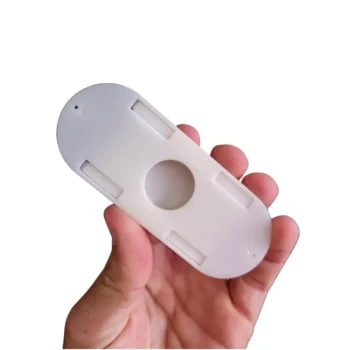
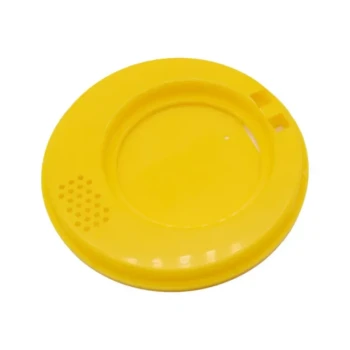
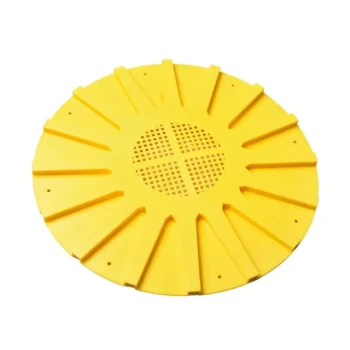
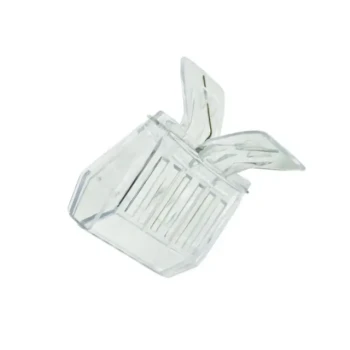
Pollen traps are precision-engineered collection devices installed at the beehive entrance that utilize mechanical friction to harvest natural pollen. By employing a grid with specific apertures, these traps strip pollen pellets from the hind legs of returning worker bees, depositing them into a secure collection tray. This design allows for systematic, large-scale harvesting of high-value nutritional products while maintaining the normal life cycle and health of the bee colony.
Pollen traps provide a non-invasive, efficient method for diversfying apiary output by leveraging the natural foraging behavior of bees. For distributors, offering traps with high-precision grid sizing is essential for balancing commercial yield with the long-term vitality of the honeybee population.
Core Design Principles of Industrial Pollen Traps
Precision-Engineered Aperture Grids
The heart of any pollen trap is a grid structure with specific aperture sizes. These openings are calibrated to be just large enough for a worker bee to squeeze through, but small enough to physically dislodge the pollen pellets attached to their legs.
The diameter of these holes must be incredibly accurate. If the openings are too large, the collection yield drops significantly; if they are too small, they risk causing physical injury to the bees or preventing them from entering the hive entirely.
One-Way Flow and Exit Mechanisms
Effective traps are designed to facilitate unrestricted hive exit. While the entrance is restricted by the collection grid, bees typically exit through specialized cones or bypass channels that do not strip their legs or slow their departure.
This one-way efficiency ensures that the foraging rhythm of the colony is not broken. Maintaining a high frequency of trips per day is vital for both the colony's food supply and the beekeeper's total pollen yield.
Integrated Collection and Protection Trays
Once dislodged by mechanical friction, the pollen falls into a lower collection tray. These trays are usually ventilated to prevent moisture buildup and mold, which can quickly ruin the nutritional and medicinal value of the raw pollen.
The design emphasizes non-contact harvesting. Because the pollen falls immediately into a separate compartment, it remains clean and free from hive debris, ensuring a premium-grade raw material for the laboratory or the retail market.
Advantages for Commercial Bee Pollen Production
Systematic and Scalable Harvesting
Pollen traps enable industrial-scale collection that is simply not possible through manual methods. By installing these devices across an entire apiary, wholesalers can secure a consistent volume of raw material for high-demand nutritional and pharmaceutical markets.
Maintenance of High Nutritional Value
Because the traps intercept the pollen before it is processed or stored by the bees inside the hive, the nutritional and medicinal integrity is preserved. This "fresh-harvested" quality is a significant selling point for B2B resellers targeting the health and wellness sector.
Diversification of Apiary Revenue
For beekeeping operations, pollen traps represent a way to diversify production. Instead of relying solely on honey, operators can produce high-value by-products, increasing the total profit potential of every managed hive without requiring additional land or floral resources.
Understanding the Trade-offs and Pitfalls
Impact on Colony Development
A significant trade-off in pollen collection is the reduction in protein available to the bee larvae. If a trap is active 24/7 without a bypass mechanism, the colony’s growth can be stunted due to a lack of essential nutrients for the brood.
Mechanical Wear and Bee Health
Lower-quality traps with burrs or sharp edges in the grid can cause physical trauma to the bees' wings or legs. It is critical to source traps with smooth, precision-molded openings to ensure the long-term health and productivity of the workforce.
Weather and Moisture Sensitivities
Pollen is highly hygroscopic, meaning it absorbs moisture from the air. In humid environments, traps must be emptied frequently or designed with advanced ventilation, otherwise, the collected batch can ferment or grow toxic molds within hours.
Making the Right Choice for Your Goal
How to Apply This to Your Project
When sourcing pollen traps for a commercial portfolio, your selection should be guided by the specific operational scale and environmental conditions of your clients.
- If your primary focus is Maximum Collection Efficiency: Prioritize traps with high-precision, multi-row grid layouts that maximize the "stripping" surface area while providing ultra-fast delivery to match seasonal blooms.
- If your primary focus is Colony Longevity and Health: Look for "active/inactive" sliding grilles that allow beekeepers to easily open the entrance, ensuring the colony can replenish its own stores during peak breeding cycles.
- If your primary focus is Premium Product Purity: Select models with fine-mesh ventilated trays and overhead protection to prevent debris contamination and ensure the highest possible nutritional grade.
By utilizing professional industry expertise and sourcing precision-engineered equipment, distributors can provide the essential tools required for high-yield, sustainable pollen production.
Summary Table:
| Key Feature | Design Principle | Commercial Advantage |
|---|---|---|
| Precision Grids | Calibrated aperture for mechanical friction | Maximizes pollen stripping without injuring bees |
| One-Way Flow | Cones and bypass exit channels | Maintains foraging rhythm and colony productivity |
| Ventilated Trays | Moisture-reducing airflow design | Preserves nutritional value and prevents mold growth |
| Bypass Mechanisms | Active/Inactive sliding grilles | Allows for colony protein replenishment and recovery |
| Non-Contact Path | Gravity-based vertical deposit | Ensures premium purity and reduces debris contamination |
Scale Your Wholesale Business with HONESTBEE
At HONESTBEE, we understand that distributors and B2B resellers require more than just products—you need a reliable partner with deep professional industry expertise. We offer a comprehensive one-stop sourcing solution for commercial apiaries, providing everything from precision-engineered pollen traps to industrial honey-filling machines and specialized hive-making hardware.
Why Partner with HONESTBEE?
- Full-Spectrum Portfolio: Access a complete range of beekeeping tools, machinery, and essential consumables.
- Rapid Response & Ultra-Fast Delivery: Our efficient order fulfillment ensures you stay ahead of seasonal demands.
- Premium Trading Services: We offer dedicated customer support and OEM/ODM capabilities to protect your profit margins and brand reputation.
Ready to enhance your product offering with high-performance beekeeping equipment? Contact our expert team today to discuss wholesale pricing and customized supply solutions!
References
- М. Я. Шульган. КЛАСИФІКАЦІЯ ПРОДУКЦІЇ БДЖІЛЬНИЦТВА ДЛЯ ПОТРЕБ БУХГАЛТЕРСЬКОГО ОБЛІКУ. DOI: 10.32782/2524-0072/2023-50-34
This article is also based on technical information from HonestBee Knowledge Base .
Related Products
- 30 cm Plastic Entrance Hole Bee Pollen Trap and Collector
- Removable Plastic Pollen Trap With Ventilated Tray for Bees Pollen Collector
- Plastic Bee Pollen Trap Strips Comb Catcher Collector
- High-Efficiency Diamond Maze Bee Escape for Clearing Supers
- HONESTBEE Professional Telescopic Pole Bee Swarm Catcher
People Also Ask
- Why is frequent harvesting of bee pollen from traps necessary for quality control? Ensure Freshness and Prevent Mold.
- How often should bee pollen be harvested from a trap and why? Master Freshness and Prevent Spoilage
- What function do pollen traps serve in quantitative collection? Boost Your Apiary's Data & Production Efficiency
- What is the primary function of bee pollen traps? Optimize Your Pollen Harvest with Advanced Extraction Efficiency
- What are the primary functions of a standard pollen trap in research? Maximize Data Accuracy in Bee Nutrition Studies