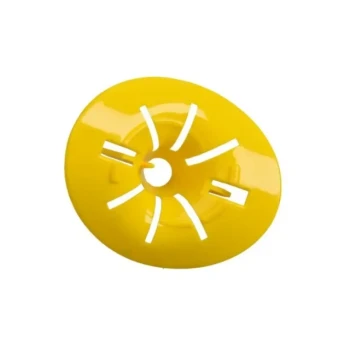
Professional pollen traps serve as precision data extraction tools that mechanically intercept pollen pellets from foraging bees to generate physical samples for analysis. When evaluating honey plants such as Umbelliferae, these devices allow researchers to move beyond visual observation to the accurate quantification of the plant’s actual pollen output, resource potential, and contribution to the local ecosystem over specific timeframes.
By converting foraging activity into weighable, analyzable samples, pollen traps provide the hard data required to determine exactly what proportion of a colony's resources comes from a target crop versus surrounding vegetation.
The Mechanics of Data Collection
To understand how these traps evaluate plants, you must first understand how they standardize data collection.
Mechanical Separation
The device, often a perforated steel plate, is installed at the hive entrance. It forces returning foragers to pass through specific apertures, typically measuring 5.5mm.
Non-Invasive Sampling
As the bee squeezes through the metal aperture, the pollen pellets attached to her hind legs are mechanically dislodged and fall into a collection tray.
Continuous Monitoring
This process offers a non-invasive method to sample the environment. It allows for continuous data collection without disrupting the internal operations of the colony or requiring manual extraction from the honeycomb.
Quantifying Resource Potential
The primary function of the trap in this context is to measure the "yield" of the honey plant.
Determining Actual Output
By weighing the collected pellets at fixed intervals, researchers can calculate the biomass produced by specific plants. This transforms anecdotal evidence of "good flowering" into concrete data regarding resource availability.
Comparative Analysis
The physical samples allow you to determine the proportion of resources gathered from the target plant (e.g., Umbelliferae) compared to other blooming vegetation. This reveals the preference and efficiency of the bees in utilizing that specific forage.
Botanical Identification and Mapping
Collecting the pollen is only the first step; analyzing the specific composition is where the evaluation of the plant family occurs.
Morphological Analysis
Because the trap provides physical samples, scientists can perform pollen morphological analysis. This confirms whether the pollen collected is actually from Umbelliferae or if the bees are bypassing it for other sources.
Temporal Distribution Maps
Regular collection allows for the creation of a timeline. You can map exactly when a specific plant species begins providing resources and when it tapers off, establishing a temporal distribution map of local resources throughout the year.
Understanding the Trade-offs
While pollen traps are powerful analytical tools, their use requires careful management to ensure data validity and colony safety.
Nutritional Impact
Trapping pollen removes a primary protein source from the hive. While excellent for data, overuse can stress the colony.
Balancing Health and Data
Supplementary feeding devices are often referenced alongside traps. In early spring or cold weather, when bee activity is restricted, you may need to provide nutritional support to ensure the colony remains strong enough to forage effectively for the study.
Making the Right Choice for Your Goal
When using pollen traps to evaluate honey plants, tailor your approach to your specific end game.
- If your primary focus is Botanical Research: Prioritize morphological analysis of the trapped samples to definitively confirm the species identity and purity of the collected pollen.
- If your primary focus is Apiary Management: Focus on the weight and volume of the samples to assess the overall carrying capacity of the region and the resource potential of the local flora.
Effective evaluation relies on converting biological behavior into quantifiable physical evidence.
Summary Table:
| Feature | Function in Plant Evaluation | Key Benefit |
|---|---|---|
| Mechanical Separation | Dislodges pollen pellets via 5.5mm apertures | Provides physical samples for analysis |
| Biomass Calculation | Measures weight of collected pollen at intervals | Quantifies actual resource yield of plants |
| Morphological Analysis | Identification of pollen grain structures | Confirms plant species (e.g., Umbelliferae) |
| Temporal Mapping | Tracks collection volume over time | Maps bloom cycles and resource availability |
| Resource Proportion | Compares target crop vs. wild vegetation | Reveals bee preference and foraging efficiency |
Maximize Your Apiary Productivity with HONESTBEE
Elevate your commercial beekeeping operations and research capabilities with HONESTBEE. We provide professional-grade beekeeping tools, specialized hive-making machinery, and honey-filling equipment designed for large-scale efficiency. Whether you are a commercial apiary needing high-precision pollen traps or a distributor seeking a reliable wholesale partner for industry consumables and honey-themed cultural merchandise, we deliver the expertise and equipment you need to succeed.
Ready to scale your operation? Contact us today to explore our comprehensive wholesale offerings and discover how our solutions can optimize your honey and pollen production.
References
- И. Д. Самсонова, А. А. Плахова. Bioecological properties of honey-bearing plants of the Umbrella family and resource potential land for honey collection. DOI: 10.31677/2072-6724-2024-70-1-271-279
This article is also based on technical information from HonestBee Knowledge Base .
Related Products
- Removable Plastic Pollen Trap With Ventilated Tray for Bees Pollen Collector
- 30 cm Plastic Entrance Hole Bee Pollen Trap and Collector
- Plastic Bee Pollen Trap Strips Comb Catcher Collector
- High-Efficiency Diamond Maze Bee Escape for Clearing Supers
- Professional Bucket Style Wasp and Moth Pheromone Trap
People Also Ask
- What are the design principles and advantages of pollen traps in the collection of bee pollen? Boost Your Apiary Yield
- What functions do pollen traps serve for bee bread production? Optimize Your Raw Material Collection
- What maintenance and pest prevention measures should be taken for pollen traps? Protect Your Hive and Harvest Quality
- How does the use of pollen traps in honeybee hives enhance crop fertilization? Boost Your Yield Through Induced Activity
- What key structural features and mesh specifications should commercial beekeepers look for when selecting pollen traps? Discover the essential design elements for efficient collection and hive health.