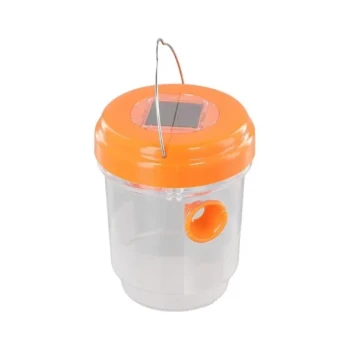
Solar power systems are the critical enabler of automated apiary defense. In remote locations where grid electricity is unavailable, these systems provide the robust energy supply necessary to run high-consumption defense tools, such as electric harps. This ensures that protective measures remain active continuously, safeguarding hives without requiring frequent manual battery replacements.
Core Insight: Solar infrastructure transforms remote hive defense from a logistical challenge into a sustainable, autonomous operation. It guarantees that energy-intensive predator control devices function uninterrupted during the peak hornet season (July–October), significantly reducing labor costs and the risk of colony loss due to power failure.
Overcoming the Off-Grid Energy Deficit
Bridging the Infrastructure Gap
Apiaries are frequently located in isolated forests or grasslands to maximize pollination and honey production. These areas typically lack access to stable mains power.
Solar photovoltaic modules solve this by converting sunlight into electrical energy directly on-site. This creates an independent power infrastructure capable of supporting essential hardware in the wild.
Powering High-Consumption Tools
Passive traps require little energy, but active defense systems are power-hungry. Electric harps and automated hornet control devices require a consistent flow of electricity to neutralize predators effectively.
Standard battery setups deplete rapidly under these high loads. Solar systems act as an on-site generator, constantly replenishing the energy supply to meet the demands of these high-consumption defense tools.
Ensuring Operational Continuity
Protecting During Peak Danger Windows
The reliability of your power source is most critical between July and October. This is the peak season for hornet attacks, where a single power interruption can lead to the devastation of a hive.
Solar systems provide the reliability needed to keep automated defenses running throughout this high-risk period. They prevent the defense gaps that occur when standard batteries die unexpectedly.
The 24/7 Energy Cycle
Predators do not always adhere to a strict schedule, and defense systems must be ready at all times.
An integrated solution—comprising solar panels, charge controllers, and batteries—ensures day and night autonomy. The panels power the electronics during the day while simultaneously charging high-capacity battery packs to maintain operations overnight or during cloudy intervals.
Reducing Logistical Burdens
Eliminating Frequent Maintenance
Without solar charging, running electronic defense equipment requires frequent trips to remote sites solely to swap out heavy batteries.
This "battery run" is labor-intensive and costly. Solar integration makes the system self-sufficient, drastically reducing the frequency of site visits required for power maintenance.
Economic and Operational Efficiency
While the initial installation requires hardware like panels and controllers, the long-term operational costs are significantly lower.
By removing the need for constant manual intervention, beekeepers can manage large-scale apiaries more efficiently. This allows personnel to focus on hive health rather than power management.
Understanding the Trade-offs
Weather Dependency and Sizing
Solar power is inherently reliant on environmental conditions. During extended periods of rain or heavy cloud cover, energy generation drops significantly.
If the battery bank is not sized correctly to handle the specific load of the electric harps during these low-light periods, the system may fail. Over-engineering the battery storage is often necessary to ensure reliability.
Complexity and Vulnerability
Adding solar panels and charge controllers introduces more hardware to the field.
These components are exposed to the elements, including wind, hail, and debris. Unlike simple manual traps, a solar-powered defense system requires ruggedized hardware to withstand the physical stresses of an outdoor environment.
Making the Right Choice for Your Goal
- If your primary focus is Maximum Protection: Prioritize a system with oversized battery capacity to ensure your electric harps never lose power during the critical July–October window, regardless of weather.
- If your primary focus is Operational Efficiency: Choose a solar setup to automate energy management, eliminating the labor costs associated with weekly battery swaps in remote locations.
Solar integration elevates beehive defense from a manual chore to a reliable, always-on security system.
Summary Table:
| Feature | Importance for Remote Defense | Benefit for Beekeepers |
|---|---|---|
| Energy Autonomy | Eliminates reliance on grid electricity | Enables hive protection in isolated locations |
| Continuous Power | Supports high-consumption electric harps | Uninterrupted defense during peak hornet season |
| Labor Reduction | Removes the need for manual battery swaps | Significantly lower maintenance and travel costs |
| System Longevity | Provides 24/7 day and night operations | Sustainable protection through battery storage |
Secure Your Apiary with HONESTBEE Professional Solutions
Maximize your honey yield and protect your investment with high-performance solar-ready defense systems. At HONESTBEE, we specialize in supporting commercial apiaries and distributors by providing a comprehensive wholesale range of beekeeping tools, machinery, and essential consumables.
Whether you need robust hive-making machines, precise honey-filling equipment, or advanced predator control hardware, our team is ready to equip your operation for success. Let us help you transition to a more efficient, self-sufficient apiary.
Contact HONESTBEE today for a custom quote and wholesale catalog
References
- Ana Diéguez‐Antón, M. Carmen Seijo. Management of honey bee (Hymenoptera: Apidae) colonies under yellow-legged hornet (Hymenoptera: Vespidae) pressure. DOI: 10.1093/jipm/pmae033
This article is also based on technical information from HonestBee Knowledge Base .
Related Products
People Also Ask
- What are the practical advantages of using professional wasp traps and protective equipment in apiary management? Scale Up
- Why replace sugar syrup bait in wasp traps every three days? Ensure Maximum Attraction and Catch Rates
- How can commercial apiary operators mitigate wasp predation around hives using specialized trapping equipment? Effective strategies for wasp control
- How do unripe honey combs or syrup-soaked empty combs function in Oriental Hornet monitoring systems?
- What role do Flumethrin-based products play in honeybee pest management? Boost Hive Survival and Spring Growth