Plastic bee hives are revolutionizing modern beekeeping with their durability, ease of use, and efficiency. These hives are ideal for both amateur and professional beekeepers, offering features like temperature regulation, lightweight design, and stackable frames. Our product range includes Plastic Insulated Bee Hive Boxes made from food-grade HDPE for enhanced productivity and 4 Frame Plastic Nuc Boxes perfect for queen rearing and garden beekeeping. Whether you're managing a large apiary or a small garden hive, our plastic bee hives provide a practical and sustainable solution.
Toggle Categories
Get Instant Support
Choose your preferred way to connect with our team
-
Get Free Quote Fill out form for detailed pricing
-
Send Email Detailed inquiry support
-
WhatsApp Quick mobile chat
Response Time
Within 8 hours on working days, 24 hours on holidays
plastic bee hives

Professional Insulated Plastic Bee Hives
Item Number: LBH-8

4 Frame Plastic Nuc Boxes for Beekeeping Bee Nuc Box
Item Number: NUC-9
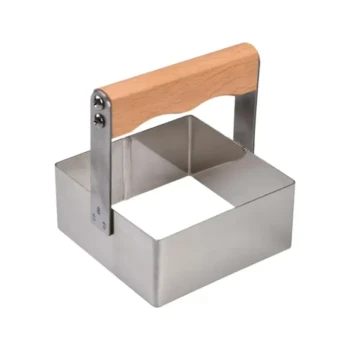
Heavy Duty Stainless Steel Honeycomb Cutter
Item Number: CHC-6

Professional Frame Comb Fork and Lifter for Efficient Handling
Item Number: BFG-11
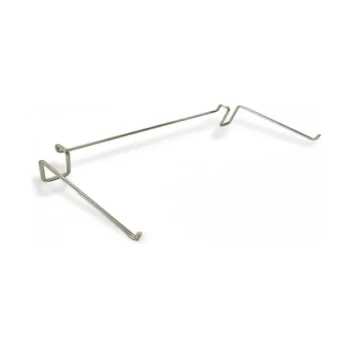
Heavy-Duty Stainless Steel Frame Perch
Item Number: BFP-3
Why Choose Plastic Bee Hives for Your Beekeeping Needs?
Plastic bee hives have become a game-changer in the beekeeping industry, offering a range of benefits that traditional wooden hives simply can't match. Here’s why our plastic bee hives stand out:
Durability and Longevity
Our plastic bee hives are crafted from high-quality, food-grade HDPE (High-Density Polyethylene), ensuring they are resistant to splitting, warping, and environmental wear. Unlike wooden hives, plastic hives are impervious to wax moths, which can cause significant damage to traditional hives. This makes them a long-lasting investment for beekeepers looking to minimize maintenance and replacement costs.
Ease of Use and Maintenance
One of the standout features of plastic bee hives is their ease of use. They come pre-assembled, saving you time and effort in setup. Cleaning is also a breeze—plastic hives can be easily washed and sanitized, ensuring a hygienic environment for your bees. Additionally, the black plastic frames make it easier to spot queen eggs, simplifying hive inspection and management.
Temperature Regulation and Insulation
Our Plastic Insulated Bee Hive Boxes are designed with temperature regulation in mind. The insulation helps maintain a stable internal environment, which is crucial for bee health and productivity. This feature is particularly beneficial in regions with extreme weather conditions, as it helps protect the hive from both excessive heat and cold.
Lightweight and Stackable Design
The 4 Frame Plastic Nuc Boxes are lightweight and stackable, making them ideal for beekeepers who need to move hives frequently or manage multiple colonies. These boxes are perfect for queen rearing, garden beekeeping, and enhancing pollination efficiency. Their compact design also allows for efficient use of space, whether you’re working in a small garden or a large apiary.
Environmental and Economic Benefits
While plastic hives are non-renewable, their durability and longevity make them a more sustainable option in the long run. They reduce the need for frequent replacements, which can be costly and environmentally taxing. Additionally, the efficiency of plastic hives can lead to increased honey production, providing a better return on investment for beekeepers.
Customizable Solutions for Every Beekeeper
We understand that every beekeeper has unique needs, which is why we offer customizable solutions tailored to your specific requirements. Whether you need a single hive for your backyard or a bulk order for a commercial apiary, we’ve got you covered. Our team of experts is here to help you choose the right products and provide ongoing support to ensure your beekeeping success.
Get Started with Plastic Bee Hives Today
Ready to take your beekeeping to the next level? Explore our range of plastic bee hives and discover the perfect solution for your needs. If you have any questions or need assistance, don’t hesitate to contact us. Our team is here to help you make the most of your beekeeping journey with our high-quality, durable, and efficient plastic bee hives.
FAQ
What Are The Main Applications Of Plastic Bee Hives?
Plastic bee hives are widely used in beekeeping for their durability and ease of management. They are ideal for enhancing hive productivity, efficient temperature regulation, and are particularly suited for queen rearing, garden beekeeping, and improving pollination efficiency.
What Types Of Plastic Bee Hives Are Available?
There are several types of plastic bee hives available, including insulated plastic bee hive boxes made from food-grade HDPE for better temperature regulation and 4-frame plastic nuc boxes that are lightweight, durable, and stackable, perfect for various beekeeping activities.
What Are The Principles Behind Choosing Plastic Bee Hives Over Wooden Ones?
When choosing between plastic and wooden bee hives, consider factors like environmental impact, durability, ease of maintenance, and cost. Plastic hives are durable, easy to clean, and impervious to wax moths, but they are more expensive and non-renewable compared to wooden hives, which are natural and renewable but can split, warp, and are vulnerable to wax moth damage.
What Are The Advantages Of Using Plastic Bee Hives?
Plastic bee hives offer several advantages: they come pre-assembled and require no additional assembly; they are impervious to wax moths; they hold up well in extractors and are easy to clean; black plastic frames make it easier to spot queen eggs; and they are very durable, resisting splitting and warping. Additionally, they can reduce the need for winter wraps, decrease labor, and promote faster colony buildup in the spring, enhancing honey production and overall hive productivity.
REQUEST A QUOTE
Our professional team will reply to you within one business day. Please feel free to contact us!
Related Articles
Plastic Foundations in Beekeeping: Balancing Efficiency with Long-Term Sustainability
Explore plastic beekeeping foundations: 40% cost savings, 7-10 year durability, and improved hive efficiency while maintaining colony health.
Read more
Strategic Feeder Placement: Engineering Weather-Resistant Hive Systems Through Component Synergy
Learn how to engineer weather-resistant hive systems for optimal feeding conditions and colony protection using scientifically validated techniques.
Read more
How Wooden Beehives Naturally Regulate Temperature for Healthier Honeybee Colonies
Discover how wooden beehives naturally regulate temperature for healthier honeybee colonies, improving survival rates and honey production.
Read more
How Styrofoam Beehives Transform Overwintering Success: Science & Practical Insights
Discover how Styrofoam beehives improve winter survival rates with superior insulation, reducing honey consumption and condensation risks.
Read more
How to Choose Langstroth Hive Box Sizes for Ergonomics, Efficiency, and Bee Health
Learn how to choose Langstroth hive box sizes for ergonomics, efficiency, and bee health. Compare deep, medium, and shallow boxes for optimal beekeeping.
Read more
How to Cut Beeswax Foundations for Perfect Hive Compatibility Every Time
Learn professional techniques for cutting beeswax foundations to ensure hive compatibility, prevent warping, and boost colony productivity.
Read more
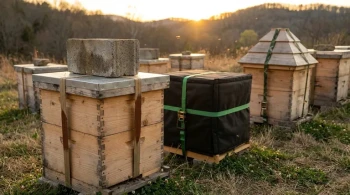
How to Secure Beehive Covers: Weatherproof Strategies for Every Hive Type
Learn weatherproof strategies to secure beehive covers for all hive types, ensuring colony protection from predators and harsh elements.
Read more
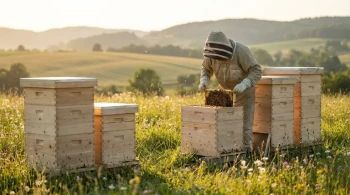
How Langstroth Hives Solve Universal Beekeeping Challenges Through Smart Design
Discover how Langstroth hives' smart design solves beekeeping challenges with standardized, adaptable components for urban and commercial beekeepers.
Read more
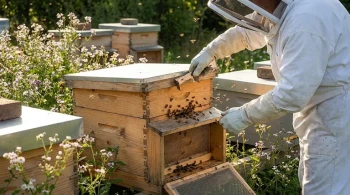
How to Optimize Beehive Ventilation: Prevent Disease and Boost Colony Health
Learn science-backed beehive ventilation strategies to prevent disease, boost colony health, and optimize honey production in all seasons.
Read more
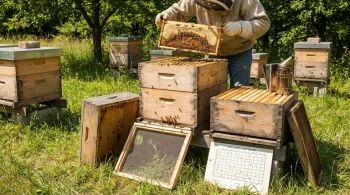
How the Langstroth Hive Solves Modern Beekeeping’s Biggest Challenges
Discover how the Langstroth hive tackles modern beekeeping challenges with pest control, efficiency, and high honey yields.
Read more
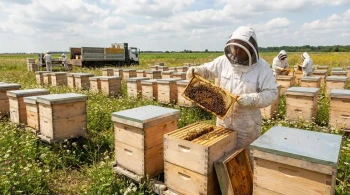
How Langstroth Hives Outperform Other Designs for Commercial Honey Production
Langstroth hives boost commercial honey yields by 40–100% with modular frames, swarm control, and efficient harvesting. Ideal for high-volume beekeeping.
Read more
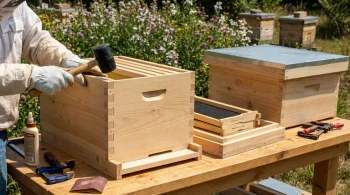
How to Assemble Wooden Beehives: A Beginner's Guide to Durable Joint Systems
Learn how to assemble durable wooden beehives with expert tips on joint systems, weatherproofing, and long-term maintenance for beginners.
Read more
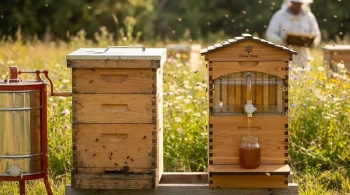
Flow Hive vs. Langstroth: When Does the Premium Price Deliver Real Savings?
Flow Hive vs. Langstroth: Cost analysis reveals when premium beekeeping systems deliver savings for hobbyists vs. commercial operations.
Read more
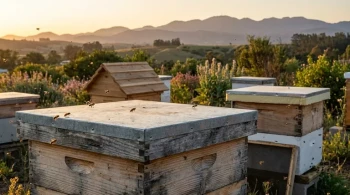
How Beehive Top Cover Design and Materials Protect Your Colony's Health
Learn how beehive top cover design and materials protect your colony from pests, weather, and temperature swings for optimal hive health.
Read more
How Langstroth Hive Design Optimizes Bee Colony Growth and Honey Production
Learn how Langstroth hive design boosts bee colony growth, prevents swarming, and maximizes honey production through modular scalability.
Read more
Bee-Friendly Honey Harvesting: Maximizing Yield While Safeguarding Your Langstroth Hive
Learn bee-friendly honey harvesting techniques for Langstroth hives—maximize yield while safeguarding colony health with expert-approved methods.
Read more
Mastering Seasonal Langstroth Hive Management: Timelines, Techniques, and Troubleshooting
Optimize Langstroth hive productivity year-round with seasonal management tips for brood boxes, honey supers, and swarm prevention.
Read more
Why Wooden Beehives Outperform Modern Alternatives: A Science-Backed Guide for Beekeepers
Discover why wooden beehives outperform modern alternatives with superior insulation, breathability, and durability for thriving bee colonies.
Read more
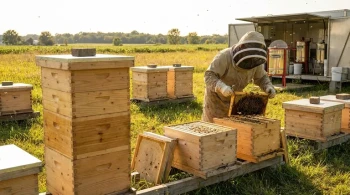
How the Langstroth Hive Solves Beekeeping Challenges for Hobbyists and Professionals
Discover how the Langstroth hive enhances beekeeping efficiency for hobbyists and professionals with its scalable, standardized design.
Read more
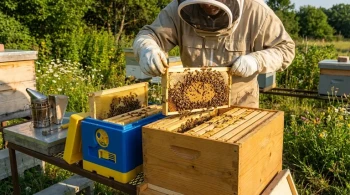
How to Successfully Requeen Hives Using the 5-Frame Nuc Method: A Beekeeper’s Guide
Learn the 5-frame nuc method for successful hive requeening—key steps, biological insights, and troubleshooting tips for beekeepers.
Read more