Honey bee boxes are essential tools for both hobbyist and professional beekeepers, designed to support healthy bee colonies and efficient honey production. Our product range includes the 5 Frame Wooden Nuc Box, ideal for starting new hives with durable China fir construction. The Langstroth Honey Bee Box offers modular designs for brood and honey storage, crafted from Fir/Pine wood. For those seeking lightweight options, the 5 Frame Langstroth Poly Nuc Box is made from eco-friendly corrugated plastic. We also provide 10 Frame Australian Langstroth Beehive Boxes, perfect for large-scale honey production, and Plastic Insulated Bee Hive Boxes, which enhance productivity with temperature regulation. Additionally, our Twin Queen Styrofoam Breeding Box is designed for efficient queen bee rearing, and the Dadant Size Wooden Bee Hives offer natural insulation for European beekeeping.
Toggle Categories
Get Instant Support
Choose your preferred way to connect with our team
-
Get Free Quote Fill out form for detailed pricing
-
Send Email Detailed inquiry support
-
WhatsApp Quick mobile chat
Response Time
Within 8 hours on working days, 24 hours on holidays
honey bee box

Australian Langstroth Beehive Boxes for Beekeeping Wholesales
Item Number: LBH-2

Wholesales Dadant Size Wooden Bee Hives for Beekeeping
Item Number: LBH-3

Professional Insulated Plastic Bee Hives
Item Number: LBH-8

Langstroth Honey Bee Box Hive Boxes for Different Depths
Item Number: BHB-1

5 Frame Wooden Nuc Box for Beekeeping
Item Number: NUC-1

5 Frame Langstroth Poly Nuc Corrugated Plastic Nuc Boxes
Item Number: NUC-3

Twin Queen Styrofoam Honey Bee Nucs Mating and Breeding Box
Item Number: NUC-7

Heavy Duty 304 Stainless Steel Honey Dipper
Item Number: HB-6

Professional Grade Foldable Beehive Handles
Item Number: BHH-1
Why Choose Our Honey Bee Boxes?
Our honey bee boxes are meticulously designed to meet the needs of modern beekeepers, combining durability, functionality, and innovation. Whether you're a beginner or an experienced apiarist, our products provide the perfect environment for your bees to thrive.
Features and Benefits
-
Durable Materials: Our honey bee boxes are crafted from high-quality materials such as China fir, Fir/Pine wood, and eco-friendly corrugated plastic. These materials ensure longevity, natural insulation, and resistance to weather conditions.
-
Modular Designs: Products like the Langstroth Honey Bee Box and 10 Frame Australian Langstroth Beehive Boxes feature modular designs, allowing beekeepers to easily manage brood and honey storage. This flexibility is ideal for both small-scale and large-scale operations.
-
Lightweight and Portable: The 5 Frame Langstroth Poly Nuc Box is made from lightweight corrugated plastic, making it easy to transport and handle. This is particularly beneficial for beekeepers who need to move their hives frequently.
-
Temperature Regulation: Our Plastic Insulated Bee Hive Boxes are designed with food-grade HDPE material, providing excellent insulation to maintain optimal hive temperatures. This enhances bee productivity and honey yield.
-
Specialized Breeding Solutions: The Twin Queen Styrofoam Breeding Box is perfect for queen bee rearing, featuring dual compartments and superior insulation. It’s an essential tool for spring and autumn beekeeping.
-
Customizable Options: Many of our products, such as the Langstroth Honey Bee Box and Dadant Size Wooden Bee Hives, offer customizable options to suit specific beekeeping needs. This ensures that every beekeeper can find the perfect solution for their colony.
How Our Honey Bee Boxes Work
Our honey bee boxes are designed to replicate the natural environment of bees, providing a safe and efficient space for them to build wax combs, store honey, and raise larvae. The modular designs allow beekeepers to easily inspect and manage their hives, ensuring healthy bee colonies and optimal honey production.
Advantages of Choosing Our Products
- Widespread Availability: Our honey bee boxes are readily available, making it easy for beekeepers to start or expand their operations.
- Disease and Pest Resistance: High-quality materials and designs reduce the risk of disease and pests, ensuring healthier colonies.
- Cost-Effective: Our products offer excellent value for money, making beekeeping accessible to both hobbyists and professionals.
- Ease of Use: Compact and easy-to-assemble designs are perfect for new beekeepers, while advanced features cater to experienced apiarists.
Customization and Professional Support
We understand that every beekeeper has unique needs. That’s why we offer customizable options for many of our honey bee boxes, ensuring you get the perfect fit for your colony. Our team of experts is also available to provide guidance and support, helping you make the most of your beekeeping journey.
Get Started Today
Ready to enhance your beekeeping experience? Explore our range of honey bee boxes and discover the perfect solution for your needs. For more information or to discuss customization options, feel free to contact us. Our team is here to help you succeed in your beekeeping endeavors.
FAQ
What Are The Main Types Of Honey Bee Boxes?
What Are The Advantages Of Using Honey Bee Boxes?
What Materials Are Used To Make Honey Bee Boxes?
What Are The Applications Of Honey Bee Boxes?
What Is The Principle Behind Honey Bee Boxes?
Why Are Honey Bee Boxes Important For Beekeeping?
REQUEST A QUOTE
Our professional team will reply to you within one business day. Please feel free to contact us!
Related Articles
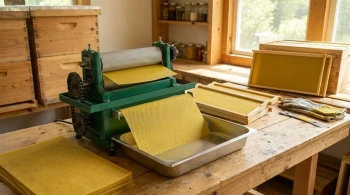
How to Choose the Right Beehive Foundation for Your Beekeeping Goals
Learn how to choose the best beehive foundation for honey yield, sustainability, or cost-efficiency. Compare beeswax, plastic, and hybrid options.
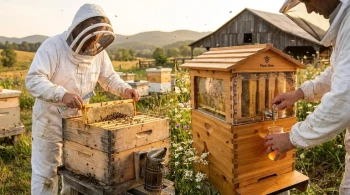
Flow Hive vs. Langstroth: Choosing the Right Hive for Your Beekeeping Goals
Compare Flow Hive vs. Langstroth beehives: efficiency, cost, and maintenance differences to choose the best system for your beekeeping goals.
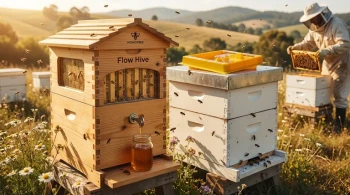
Flow vs. Langstroth Hives: Balancing Bee Welfare, Cost, and Productivity
Compare Flow vs. Langstroth hives for bee welfare, cost, and productivity. Choose the best beekeeping system for your needs.
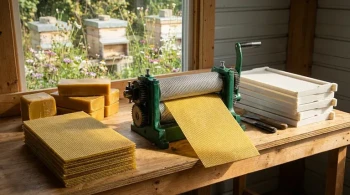
Beeswax vs. Plastic Foundations: Choosing the Sustainable Option for Thriving Apiaries
Compare beeswax vs. plastic hive foundations for colony health, sustainability, and cost efficiency in beekeeping. Make the right choice for your apiary.
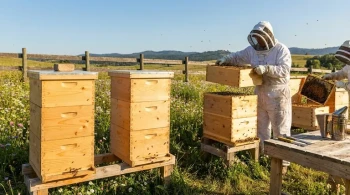
How to Choose Langstroth Hive Box Sizes for Ergonomics, Efficiency, and Bee Health
Learn how to choose Langstroth hive box sizes for ergonomics, efficiency, and bee health. Compare deep, medium, and shallow boxes for optimal beekeeping.
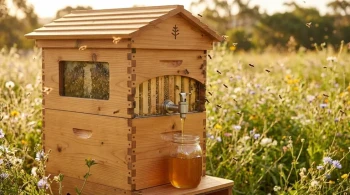
How Flow Hives Revolutionize Honey Harvesting: Saving Time and Protecting Bees
Flow Hives revolutionize honey harvesting with 80% less labor, intact combs, and faster recovery—ideal for commercial beekeepers.
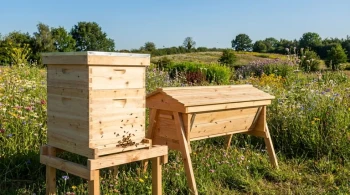
How to Choose Between Langstroth and Top Bar Hives for Your Beekeeping Goals
Compare Langstroth vs. Top Bar beehives for honey production, sustainability & ease of use. Choose the best hive for your beekeeping goals.
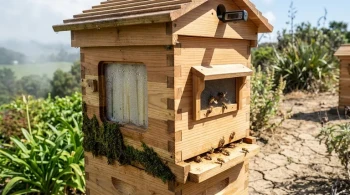
How to Optimize Flow Hive Ventilation for Healthier Colonies in Any Climate
Optimize Flow Hive ventilation for healthier bees in any climate. Learn climate-specific techniques to boost honey production and colony health.
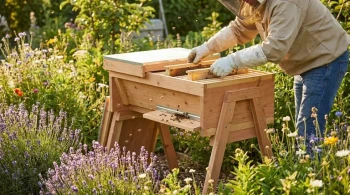
How Top Bar Hives Naturally Boost Bee Health and Simplify Beekeeping
Top bar hives promote natural bee health with comb freedom, thermal efficiency & sustainable harvesting. Ideal for low-maintenance backyard beekeeping.
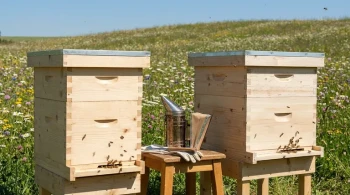
How to Choose Between 8-Frame and 10-Frame Langstroth Boxes for Optimal Beekeeping
Compare 8-frame vs. 10-frame Langstroth boxes for beekeeping: weight, yield, and urban vs. commercial needs. Optimize your hive setup.
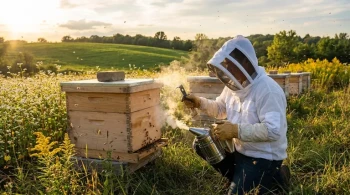
How to Choose Beekeeping Tools: A Practical Guide for Every Budget and Climate
Learn how to choose the best beekeeping tools for your budget and climate, from protective gear to hive management essentials.
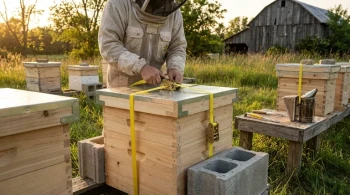
How to Strengthen Langstroth Hive Roofs Against Storms Without Compromising Functionality
Learn how to reinforce Langstroth hive roofs for storm protection while maintaining ventilation and moisture control for colony health.
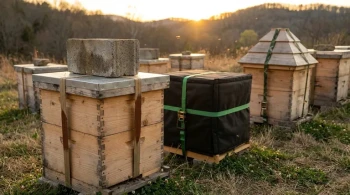
How to Secure Beehive Covers: Weatherproof Strategies for Every Hive Type
Learn weatherproof strategies to secure beehive covers for all hive types, ensuring colony protection from predators and harsh elements.
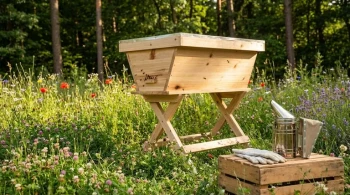
How Top Bar Hives Simplify Natural Beekeeping for Hobbyists
Top bar hives simplify natural beekeeping for hobbyists with cost-efficiency, healthier colonies, and low-maintenance care.
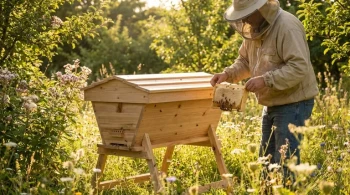
How Top Bar Beehives Naturally Reduce Pest Risks and Simplify Beekeeping
Discover how Top Bar Hives naturally reduce pests, simplify beekeeping, and promote hive health with sustainable, low-maintenance designs.
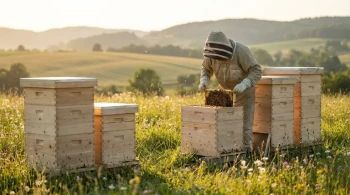
How Langstroth Hives Solve Universal Beekeeping Challenges Through Smart Design
Discover how Langstroth hives' smart design solves beekeeping challenges with standardized, adaptable components for urban and commercial beekeepers.
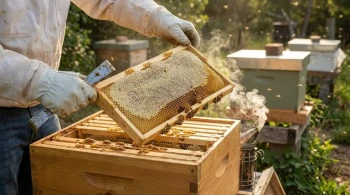
How to Prolong Flow Hive Lifespan: A Beekeeper’s Guide to Smart Frame Maintenance
Learn expert tips to extend your Flow Hive lifespan with smart frame maintenance, seasonal checks, and cost-effective repairs for beekeepers.
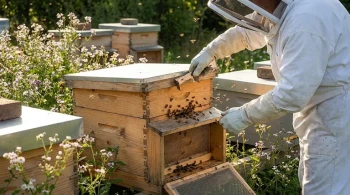
How to Optimize Beehive Ventilation: Prevent Disease and Boost Colony Health
Learn science-backed beehive ventilation strategies to prevent disease, boost colony health, and optimize honey production in all seasons.
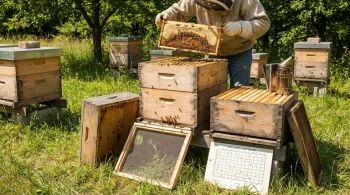
How the Langstroth Hive Solves Modern Beekeeping’s Biggest Challenges
Discover how the Langstroth hive tackles modern beekeeping challenges with pest control, efficiency, and high honey yields.
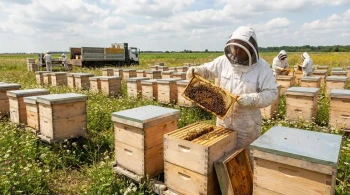
How Langstroth Hives Outperform Other Designs for Commercial Honey Production
Langstroth hives boost commercial honey yields by 40–100% with modular frames, swarm control, and efficient harvesting. Ideal for high-volume beekeeping.