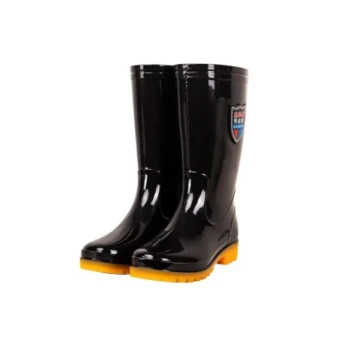
Stingless bees are not defenseless. While Trigona sp. lack functional stingers, professional Personal Protective Equipment (PPE) is strictly necessary to prevent defensive behaviors like biting and crawling into sensitive areas such as ears, noses, and hair. This equipment creates a physical barrier that allows the operator to work without the disruption caused by hundreds of bees swarming the face and head.
The primary function of PPE in stingless beekeeping is not to prevent anaphylaxis, but to eliminate distraction. By preventing bees from entering facial orifices or hair, protective gear ensures the operator retains the calm focus required for delicate tasks like queen location and honey harvesting.
The Nature of the Defense Mechanism
Beyond the Lack of a Stinger
It is a common misconception that "stingless" implies harmless or docile. Trigona colonies defend their hives aggressively through biting and swarming.
Targeting Sensitive Areas
These bees instinctively target the operator's head. Without protection, they will crawl into ears, nostrils, and tangle themselves in hair.
This behavior is not just annoying; it creates an immediate physical reflex to swat or jerk away, which can be disastrous during delicate hive operations.
The Critical Role of Precision
Enabling Delicate Operations
Harvesting honey and maintaining Trigona colonies requires fine motor skills. The hive structures are often fragile and complex.
PPE provides a "psychological shield" as well as a physical one. When an operator feels secure, they can focus entirely on the manipulation of the hive rather than their own comfort.
Protecting the Queen
The most significant risk of working without PPE is accidental injury to the colony's leadership.
If an operator flinches because a bee has bitten an eyelid or entered an ear, they risk crushing the queen or damaging vital brood structures. PPE ensures the steady hand necessary to preserve the colony's long-term health.
Common Misconceptions and Trade-offs
The "No-Sting" Fallacy
New technicians often assume that because the risk of venom is absent, the gear is optional. This often leads to rushed inspections and incomplete harvesting as the operator tries to escape the swarm.
Balancing Protection and Heat
While protection is necessary, the trade-off is often heat retention.
Using heavy, standard apiary suits can be overkill and lead to heat stress. The ideal solution involves specialized, lightweight, and breathable suits that offer a barrier against bites without the bulk required to stop a honeybee stinger.
Making the Right Choice for Your Goal
To maximize efficiency and safety in your meliponary, match your equipment to your operational needs.
- If your primary focus is Operator Comfort: Prioritize a specialized veil and lightweight, breathable fabrics to prevent facial intrusion while managing heat.
- If your primary focus is Colony Health: Wear full protective gear to eliminate all distractions, ensuring your hands remain steady to protect the queen and fragile wax structures.
Professional PPE is the difference between a chaotic, disruptive intervention and a precise, sustainable harvest.
Summary Table:
| Defense Mechanism | Protective Function | Operational Benefit |
|---|---|---|
| Biting & Swarming | Physical barrier (Veil/Suit) | Prevents distraction and facial intrusion |
| Targeting Orifices | Sealed mesh protection | Stops bees from entering ears, nose, and hair |
| Operator Reflex | Psychological security | Ensures steady hands for delicate queen handling |
| Aggressive Crawling | Lightweight breathable gear | Maintains focus during long harvests without heat stress |
Elevate Your Meliponary Operations with HONESTBEE
Managing stingless bee colonies requires more than just patience—it demands the right tools for precision. At HONESTBEE, we specialize in supporting commercial apiaries and distributors with a comprehensive range of professional beekeeping equipment. From lightweight, breathable protective gear tailored for Trigona management to advanced honey-filling machines and specialized hive-making hardware, our wholesale solutions are designed to scale your business.
Whether you are a distributor seeking high-quality consumables or a commercial operation looking to optimize colony health and harvest efficiency, we provide the industrial-grade tools you need to succeed.
Ready to professionalize your apiary? Contact us today to explore our wholesale catalog!
References
- Ramdiawan Ramdiawan, Narita Amni Rosadi. Contribution of Trigona Honey Bee Business (Trigona sp) to Farmers' Income in Bengkaung Village, West Lombok Regency. DOI: 10.56457/kompartemen.v1i2.424
This article is also based on technical information from HonestBee Knowledge Base .
Related Products
- Professional PVC Beekeeping Shoes with Integrated Non-Slip Sole
- White PVC Beekeeping Shoes with Non-Slip Safety Sole
- HONESTBEE Professional Telescopic Pole Bee Swarm Catcher
People Also Ask
- What dual protection do professional beekeeping boots provide in tropical environments? Essential Safety for Apiarists
- What should be done if a bee gets inside a beekeeping shoe? A Guide to Safe, Sting-Free Removal
- What are the common types of shoes used by beekeepers? Select the Best Footwear for Apiary Safety and Comfort
- How does proper coverage contribute to the effectiveness of beekeeping shoes? Secure Your Feet Against Stings
- Why is it beneficial for beekeeping shoes to be easy to clean? Enhance Safety and Traction in Your Apiary