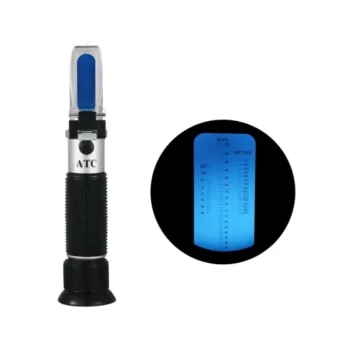
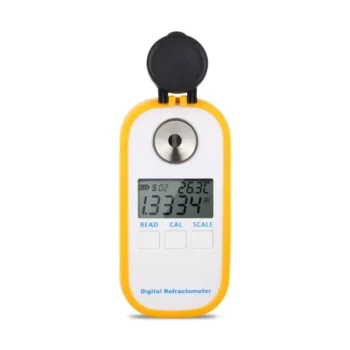
Portable field testing kits and nanotechnology-based biosensors provide honey distributors with immediate, on-site verification of quality and safety. By transforming complex laboratory procedures into simple digital signals, these tools allow for the real-time detection of antibiotic residues, moisture content, and adulteration risks at the point of acquisition. This capability ensures that every batch meets stringent international export standards before it enters the logistics chain, effectively eliminating the risk of costly product returns.
Core Takeaway: Integrating portable testing technology into your procurement workflow allows for rapid, data-driven decision-making that secures the supply chain. This technical foundation enables distributors to offer premium, verified honey products while significantly reducing international trade risks and fulfillment delays.
Securing the Supply Chain with Real-Time Data
Instantaneous Contaminant Screening
Portable biosensors utilize nanotechnology to detect antibiotic residues and pesticides in minutes rather than days. This allows distributors to vet honey quality directly at the apiary or collection point, ensuring that only compliant products enter the warehouse.
On-Site Grading and Classification
Field kits enable the immediate assessment of physical and chemical indicators such as moisture content, acidity, and reducing sugars. This allows for the rapid classification and grading of specialty products, such as stingless or organic honey, ensuring consistent biochemical profiles for premium branding.
Identifying Adulteration Risks
Real-time monitoring helps identify potential adulteration risks before the honey is blended or processed. By verifying purity at the source, distributors protect their reputation and ensure that the honey possesses the authentic characteristics required for high-end market placement.
Driving Efficiency in B2B Operations
Reducing Response Times and Fulfillment Speed
Utilizing portable hardware simplifies the quality control process, leading to ultra-fast delivery and efficient order fulfillment. Because the initial screening happens on-site, the delay between acquisition and shipment is minimized, allowing distributors to respond to market demands with greater agility.
Streamlining Export Compliance
Professional testing tools act as a vital quality barrier for honey exports, providing the technical data needed for export permits and organic certifications. This proactive approach validates the production process and supports a premium pricing strategy by offering verifiable proof of purity to international buyers.
Strengthening Global B2B Trust
Providing transparent, data-backed quality reports builds deep professional trust with wholesalers and resellers. When a distributor can prove they use professional-grade consumables to monitor every batch, they position themselves as a high-value partner in the global supply chain.
Understanding the Trade-offs
Calibration and Environmental Factors
Portable kits require regular calibration to maintain accuracy, as field conditions like temperature and humidity can influence sensitive biosensors. While highly effective for rapid screening, they must be handled by trained personnel to avoid false positives or negatives.
Screening vs. Confirmatory Analysis
It is important to recognize that field kits are primarily screening tools designed for speed and portability. While they provide immediate digital signals, certain high-stakes international regulations may still require secondary confirmation from an ISO-certified laboratory for final legal documentation.
Integrating Testing into Your Procurement Strategy
How to Apply This to Your Project
- If your primary focus is reducing trade risk: Use portable biosensors at the point of collection to screen for antibiotic residues, preventing non-compliant honey from ever entering your export containers.
- If your primary focus is premium brand positioning: Utilize field kits to verify the acidity and moisture levels of organic or specialty honey, ensuring a consistent flavor profile and chemical composition that justifies higher price points.
- If your primary focus is operational efficiency: Integrate digital testing signals into your logistics software to trigger automatic approval for shipment once quality thresholds are met on-site.
By leveraging portable testing technology, honey distributors transform quality control from a bottleneck into a competitive advantage that ensures purity, speed, and market trust.
Summary Table:
| Feature | Practical Application | Strategic Impact for B2B |
|---|---|---|
| Contaminant Screening | Detects antibiotics and pesticides on-site. | Eliminates trade risks and product returns. |
| On-Site Grading | Immediate assessment of moisture and acidity. | Ensures consistency for premium branding. |
| Adulteration Detection | Verifies purity at the point of acquisition. | Protects reputation and market placement. |
| Real-Time Digital Signals | Rapidly transforms data into digital reports. | Accelerates fulfillment and B2B trust. |
Scale Your Honey Operations with HONESTBEE
Are you looking to streamline your supply chain and guarantee the highest quality for your global clients? HONESTBEE is your dedicated partner for one-stop beekeeping sourcing. We cater specifically to commercial apiaries and distributors, providing a comprehensive wholesale range that includes everything from specialized hive-making and honey-filling machinery to professional-grade tools and industry consumables.
Why partner with HONESTBEE?
- Comprehensive Portfolio: Access a full spectrum of equipment and honey-themed cultural merchandise.
- Rapid Fulfillment: Benefit from our ultra-fast delivery and efficient order processing to meet market demands.
- Deep Industry Expertise: Leverage our technical knowledge and OEM/ODM support to maximize your profit margins and supply reliability.
Ready to elevate your honey export business? Contact us today to explore our wholesale solutions and see how our premium services can drive your growth.
References
- Sibani Moharana, Surya Narayan Pradhan. Contaminants in Honey: A Comprehensive Review of Sources, Risks, and Detection Methods. DOI: 10.7759/s44388-025-06985-5
This article is also based on technical information from HonestBee Knowledge Base .
Related Products
- Varroa Easy Check Mite Tester Kit Counter Alcohol Wash Jar
- Precision Honey Refractometer Instrument for Quality Assessment
- Digital Honey Refractometer for Precision Measurement of Optimal Honey Quality
- Professional Stainless Steel Pry-Bar Hive Tool
People Also Ask
- What tools are utilized within an Integrated Pest Management (IPM) strategy for honeybees? Optimize Colony Health
- What is the significance of standardized detection tools in Varroa control? Data-Driven Beekeeping Strategies
- Why is surfactant added to 70% alcohol for Varroa detection? Ensure Accurate Mite Counts for Professional Beekeeping
- What is the purpose of using white filter cloth for Varroa mite screening? Enhance Detection and Accuracy
- How does a specialized Varroa mite tester with sugar powder facilitate mite diagnosis? Precise B2B Hive Health Solutions