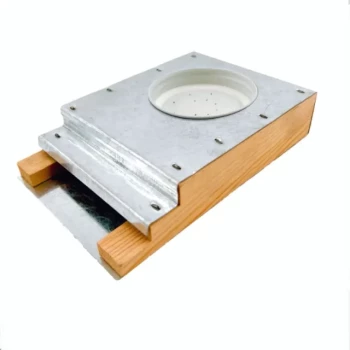
The primary function of an integrated top feeder is to serve as a precise, internal dosing device that delivers nutrition directly to the bee colony. By positioning the syrup reservoir at the very top of the hive, it allows bees to consume nutrients immediately without the energy cost of leaving the hive to forage. This system provides the beekeeper with strict quantitative control over the volume and concentration of the syrup, ensuring standardized nutritional support.
An integrated top feeder transforms feeding from a passive activity into a precise management tool. It protects resources from external threats while enabling strict control over the volume and concentration of syrup delivered to the colony.
Engineering for Precision and Efficiency
Precise Quantitative Control
The integrated top feeder functions as a calculated dosing instrument rather than a simple container. Its design allows for the administration of preset volumes of syrup. This enables you to standardize the nutritional intake across different colonies for consistent management.
Immediate Resource Access
By positioning the feeder directly inside the hive at the top, you ensure the colony discovers the food source instantly. Bees can access the syrup without exposing themselves to the outside environment. This preserves their energy stores by eliminating the need for foraging flights.
Reduced Disturbance
Because the feeder is integrated into the hive stack, you can replenish the food supply without disturbing the brood nest. This maintains the colony's internal temperature and reduces stress on the bees during feeding operations.
Design Features and Protection
Safety Against Drowning
These feeders typically feature a reservoir system equipped with hardware cloth or mesh. This critical design element allows bees to access the liquid safely. It prevents the common issue of bees falling into the syrup and drowning.
Environmental Shielding
The feeder is generally enclosed within an empty hive box or designed to fit standard equipment (8-frame or 10-frame). This protects the syrup from sun, wind, and rain. By keeping the elements out, the feeder prevents the syrup from diluting or spoiling due to heat exposure.
Defense Against Robbing
An internal feeder is far less accessible to "robber bees" from other colonies or wild pests. Because the scent of the syrup is contained within the hive structure, it significantly reduces the likelihood of inciting a robbing frenzy during nectar dearths.
Understanding the Trade-offs
Weight and Handling Logistics
A top feeder filled to capacity can be heavy and difficult to maneuver. If you need to inspect the brood frames below, you must lift the entire weight of the full feeder, which can be physically demanding.
Thermal Considerations
While the feeder protects syrup from the sun, a large volume of liquid at the top of the hive can act as a thermal mass. In very cold conditions, the syrup may cool down significantly, potentially making it difficult for the bees to metabolize the feed efficiently.
Making the Right Choice for Your Goal
When deciding if an integrated top feeder fits your apiary management strategy, consider your specific objectives:
- If your primary focus is strict nutritional management: Utilize this feeder to administer exact dosages of supplements or standardized syrup concentrations to ensure uniform colony growth.
- If your primary focus is colony defense: Rely on the enclosed, internal design to prevent robber bees and wasps from accessing the food source, protecting weaker colonies.
- If your primary focus is weather protection: Choose this integrated unit to prevent rainwater contamination or evaporation caused by sun exposure.
By integrating precise feeding directly into the hive structure, you ensure your colony receives optimal nutrition with minimal energy expenditure.
Summary Table:
| Feature | Advantage | Benefit to Beekeeper |
|---|---|---|
| Internal Dosing | Precise quantitative control | Standardized nutrition across the apiary |
| Top Placement | Immediate resource access | Reduced energy expenditure for foraging bees |
| Mesh Guard | Safety against drowning | Minimizes bee mortality during feeding |
| Enclosed Design | Environmental shielding | Prevents syrup dilution and sun spoilage |
| Internal Access | Defense against robbing | Reduces hive stress and external pest attraction |
Scale Your Apiary Efficiency with HONESTBEE
Maximize your colony's growth and streamline your management with professional-grade beekeeping solutions. At HONESTBEE, we specialize in supporting commercial apiaries and distributors with a robust wholesale inventory. From high-precision integrated top feeders and specialized hive-making machinery to efficient honey-filling systems and industry consumables, our portfolio is designed to enhance your operational yield.
Partner with us to access the full spectrum of beekeeping hardware and honey-themed cultural merchandise. Contact HONESTBEE today to discuss your wholesale requirements and discover how our expertise can drive your business success.
References
- Amélie Schmolke, Silvia Hinarejos. Simulating Honey Bee Large-Scale Colony Feeding Studies Using the BEEHAVE Model—Part I: Model Validation. DOI: 10.1002/etc.4839
This article is also based on technical information from HonestBee Knowledge Base .
Related Products
- HONESTBEE Professional Hive Top Bee Feeder Feeding Solution
- Professional Hive Top Bee Feeder for Beekeeping
- HONESTBEE Round Hive Top Bee Feeder for Syrup
- HONESTBEE Square Top Hive Bee Feeder Top Bee Feeder
- Rapid Bee Feeder White Plastic 2L Round Top Feeder for 8 or 10-Frame Bee Hives
People Also Ask
- How does a bee hive top feeder work? A Guide to Efficient, Protected Feeding
- What is a hive top feeder? A Guide to Efficient, Low-Stress Beekeeping
- Do I need an inner cover with a hive top feeder? Optimize Your Hive Setup for Healthy Bees
- What is a hive top feeder, and how does it work? A Complete Guide to Efficient In-Hive Feeding
- What are the characteristics, advantages, and disadvantages of hive top feeders? Optimize Your High-Volume Feeding