The primary function of high-quality artificial diets in commercial beekeeping is to act as a nutritional substitute for scarce natural protein and lipid resources. During dearth periods, these diets provide essential nutrients that ensure the colony can continue to rear brood, thereby maintaining population size and renewal rates when natural pollen is unavailable.
High-quality artificial diets provide bioavailable nutrients that directly improve egg survival and larval development. This intervention breaks the boom-and-bust cycle caused by environmental shortages, ensuring the colony remains strong enough to harvest the next nectar flow.
The Mechanics of Nutritional Support
Replacing Critical Resources
When natural sources are exhausted, bees lack the proteins and lipids necessary for biological function. Artificial diets are engineered to specifically replace these missing macronutrients.
The Role of Bioavailability
It is not enough to simply provide bulk food; the nutrients must be accessible to the bee's digestive system. High-quality diets focus on bioavailability, ensuring the bees absorb the maximum amount of nutrition from the consumable.
Impact on Colony Continuity
Improving Egg Survival
A colony's future depends entirely on the queen's laying capability and the viability of those eggs. High-quality nutritional inputs significantly increase the survival rate of eggs laid during stressful periods.
Ensuring Larval Development
Once eggs hatch, larvae require intense feeding to develop into healthy adult bees. Artificial diets guarantee that nurse bees have the resources required to provide adequate feeding to developing larvae.
Maintaining Renewal Rates
Colony survival is a balance between the death of old foragers and the birth of new bees. By sustaining brood rearing, these diets maintain the "colony renewal rate," preventing the population crashes that typically occur during dry seasons.
Understanding the Trade-offs
The Necessity of Professional Tools
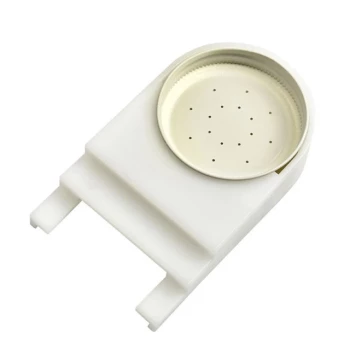
Applying these diets is not a passive activity; it requires specific infrastructure. Professional feeding tools, such as internal or external feeders, are required to deliver these consumables effectively without encouraging robbing or waste.
The Cost of Intervention
While effective, relying on artificial diets increases operational overhead compared to natural foraging. It requires a financial investment in consumables (syrup, pollen supplements) and labor to prevent mass colony absconding due to starvation.
Nutritional Completeness
Artificial diets are critical bridges, but they must be "high-quality" to work. Low-quality substitutes that lack proper bioavailability will not support larval growth effectively, leading to wasted resources and potential colony weakening.
Strategies for Dearth Management
To maximize the effectiveness of artificial diets, align your feeding strategy with your specific colony goals:
- If your primary focus is Colony Survival: Prioritize consistent energy and protein delivery to prevent starvation and stop the colony from absconding during the dry season.
- If your primary focus is Production Readiness: Feed aggressively before the dearth ends to ensure the population is at peak strength immediately when the next nectar flow begins.
Strategic nutritional support transforms a dearth period from a survival crisis into a period of controlled maintenance.
Summary Table:
| Nutritional Function | Impact on Colony | Key Beekeeping Benefit |
|---|---|---|
| Protein/Lipid Replacement | Substitutes for natural pollen | Prevents nutritional stress and starvation |
| High Bioavailability | Improved nutrient absorption | Efficient larval development and growth |
| Enhanced Egg Survival | Maintains renewal rates | Prevents population crashes in dry seasons |
| Strategic Feeding | Readiness for nectar flow | Maximizes honey production potential |
Maximize Your Colony Productivity with HONESTBEE
At HONESTBEE, we understand that commercial success depends on colony resilience. As a leading provider for commercial apiaries and global distributors, we offer a comprehensive wholesale range of beekeeping tools, specialized machinery, and essential consumables designed to optimize your operations. From precision feeding systems that prevent waste during dearth periods to industrial-grade honey-filling machines, we provide the hardware and hardware-making equipment you need to scale your business.
Empower your apiary today—contact our expert team now to access premium wholesale equipment and tailored industry solutions.
References
- Juliana Pereira Lisboa Mohallem Paiva, M. M. Morais. On the Effects of Artificial Feeding on Bee Colony Dynamics: A Mathematical Model. DOI: 10.1371/journal.pone.0167054
This article is also based on technical information from HonestBee Knowledge Base .
Related Products
- Queen Bee Artificial Insemination Instrument Equipment for Instrumental Insemination
- In-Hive Dual Compartment Frame Bee Feeder for Targeted Colony Nutrition
- HONESTBEE Entrance Bee Feeder Professional Hive Nutrition Solution for Beekeeping
- HONESTBEE Professional Entrance Bee Feeder Hive Nutrition Solution
- HONESTBEE Professional Hive Top Bee Feeder Feeding Solution
People Also Ask
- Why is maintaining sanitary conditions important during artificial insemination? Protect Your Queen from Fatal Infections
- Why are artificial insemination instruments critical in bee hybridization? Master Genetic Control & Pure Breeding
- What is the core value of bee artificial insemination instruments in breed improvement? Achieve Precise Genetic Control
- Why is professional bee artificial insemination equipment considered a core tool for genetic control in honeybee breeding? Ensure 100% Purity
- Why is high-purity CO2 used for queen bee artificial insemination? Unlock Precision Breeding & Faster Egg-Laying