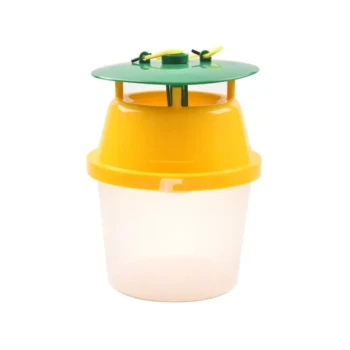
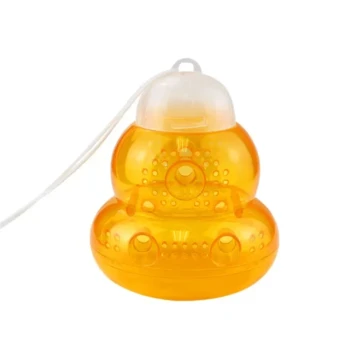
The primary function of high-viscosity Sticky Traps or Mats is to provide continuous, high-precision monitoring of pest populations, specifically Varroa mites and Small Hive Beetles, within a beehive.
These devices utilize a specialized adhesive layer positioned at the hive base to capture pests that fall naturally or are dislodged by chemical treatments. By providing a non-invasive way to collect physical specimens and statistical data, they allow for a higher probability of detection and more accurate infestation assessments than intermittent sampling methods.
Central Takeaway: High-viscosity sticky traps are indispensable biosecurity tools that transform pest detection from an occasional guess into a continuous, data-driven monitoring process essential for protecting honeybee health and ensuring colony survival.
Enhancing Detection Through Continuous Monitoring
Superior Detection Probability
Unlike "snapshot" methods like alcohol washing or sugar shaking, sticky mats provide extended surveillance over several days. This continuous presence captures pests that might be missed during a single, instantaneous check, significantly increasing the reliability of the data.
Non-Invasive Data Collection
Sticky traps allow for the statistical counting of mite populations without disturbing the colony's internal architecture or stressing the bees. This non-invasive approach ensures that any observed changes in the colony are due to external factors rather than the monitoring process itself.
Physical Specimen Procurement
Beyond simple counting, these mats immobilize adult beetles and mites, providing the physical specimens required for laboratory testing. This is a foundational step for biosecurity monitoring and confirming the efficacy of experimental treatments.
Targeted Pest Management and Biosecurity
Varroa Mite Population Tracking
The primary use case involves monitoring Varroa destructor loads to determine if a colony is in a mite-free or low-mite state. Accurate data from these traps allows beekeepers to decide precisely when to implement chemical or physical control measures.
Small Hive Beetle (SHB) Immobilization
In high-risk regions, sticky mats are essential for identifying the presence of Small Hive Beetles. By trapping adult beetles early, beekeepers can assess the level of infestation before the population reaches a critical threshold that could lead to colony collapse.
Eliminating Parasite Interference
For researchers and commercial breeders, ensuring a "clean" environment is vital for scientific accuracy. Sticky traps help eliminate parasite interference, confirming that genetic or physiological observations are the result of specific treatments rather than hidden infestations.
Understanding the Trade-offs and Limitations
Maintenance and Saturation Limits
While highly effective, sticky mats have a finite capacity and can become saturated with debris, wax moth larvae, or hive trash. Regular inspection and replacement are necessary to maintain the integrity of the adhesive surface and the accuracy of the count.
Environmental Sensitivities
Extreme temperatures can impact the viscosity of the adhesive, potentially reducing its effectiveness in very cold climates or causing "runniness" in extreme heat. Professional-grade traps are formulated to withstand these fluctuations, but environmental context must always be considered.
Dependency on Hive Geometry
The placement of the mat is critical; it must be positioned where pests naturally fall. If a hive has irregular bottom board geometry or poor ventilation, the drop rate may not accurately reflect the true infestation level within the brood nest.
Leveraging Expertise for Market Success
Our deep industry expertise and full-spectrum product portfolio ensure that you can source the highest-quality monitoring tools with confidence. By choosing a partner dedicated to rapid response and efficient fulfillment, you can provide your clients with the reliable biosecurity solutions they demand.
- If your primary focus is Biosecurity Compliance: Utilize high-viscosity mats as the definitive tool for providing physical specimens for mandatory laboratory testing and regulatory reporting.
- If your primary focus is Commercial Yield: Implement these traps to time chemical interventions perfectly, preventing colony collapse and maximizing honey production.
- If your primary focus is Resale and Distribution: Offer these as part of a comprehensive hive management kit to provide your customers with a one-stop sourcing experience for all their monitoring needs.
Empower your apiary operations with precision tools that turn pest monitoring into a reliable, scientific advantage.
Summary Table:
| Feature | Primary Function & Benefit | Target Pests |
|---|---|---|
| Continuous Surveillance | Provides 24/7 data collection, outperforming snapshot methods. | Varroa Mites |
| Non-Invasive Counting | Monitors infestation levels without disturbing colony architecture. | Small Hive Beetles |
| Specimen Procurement | Captures physical specimens for laboratory testing and validation. | Parasites & Debris |
| Treatment Timing | Informs the precise application of chemical or physical controls. | All Hive Parasites |
Scale Your Apiary Business with HONESTBEE Precision Tools
Maximize your distribution reach and profit margins with HONESTBEE, your premier one-stop sourcing partner for commercial beekeeping. We specialize in providing a full-spectrum product portfolio—from high-precision sticky traps and consumables to advanced honey-filling and hive-making machinery.
Why partner with HONESTBEE?
- Comprehensive Wholesale Offering: Access everything from specialized hardware to cultural merchandise.
- Deep Industry Expertise: Benefit from solutions designed for high-risk biosecurity and commercial yield.
- Efficient Fulfillment: Rapid response times and ultra-fast delivery to keep your supply chain moving.
- B2B Support: Dedicated OEM/ODM services tailored for distributors and resellers.
Ready to upgrade your inventory with professional-grade solutions?
Contact us today to discuss wholesale opportunities and custom orders!
References
- Philip P. Mshelbwala, S. D. Hetherington. Spatial and environmental drivers of Varroa destructor detection in New South Wales, Australia. DOI: 10.1038/s41598-025-28154-8
This article is also based on technical information from HonestBee Knowledge Base .
Related Products
- Professional Bucket Style Wasp and Moth Pheromone Trap
- Professional Multi-Component Bucket Wasp Trap
- Compact Multi-Funnel Hanging Wasp Trap
- Gourd Shaped Hanging Wasp Trap Professional Wasp Catcher
People Also Ask
- What is the function of Pheromone Traps in the biosecurity monitoring of apiaries? Precision Tools for Pest Control
- What role do Pheromone Traps play in the IPM for Large African Hive Beetles? Essential Surveillance & Control Tips
- How do professional wasp traps function? Master Physical Control of Oriental Hornets to Protect Your Apiary
- What are the practical advantages of using professional wasp traps and protective equipment in apiary management? Scale Up
- Why replace sugar syrup bait in wasp traps every three days? Ensure Maximum Attraction and Catch Rates