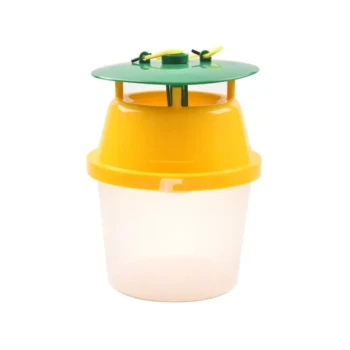
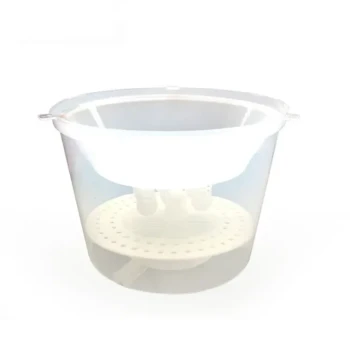
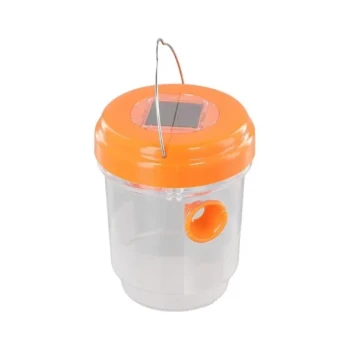
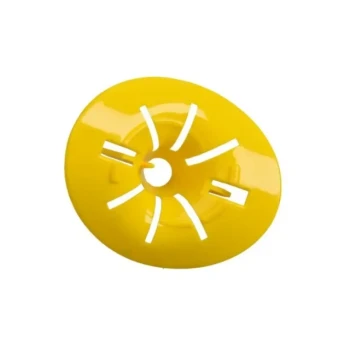
Pheromone traps serve a dual purpose within an Integrated Pest Management (IPM) strategy: they act as both a surveillance system and an active control measure. By mimicking the volatile scents emitted by a honeybee colony, these devices lure Large African Hive Beetles away from the bees and into containment. This allows beekeepers to gauge infestation levels while simultaneously reducing the pest population.
By exploiting the beetle's biological attraction to hive scents, these traps turn the pest's instincts against them, providing critical data on infestation severity while actively lowering the number of beetles threatening the colony.
How Pheromone Traps Function
Exploiting Biological Triggers
Large African Hive Beetles are naturally drawn to specific volatile substances.
Honeybee colonies naturally emit these scents, which usually signal a food source or breeding ground to the beetle.
Pheromone traps utilize chemical attractants to simulate these specific hive signals.
The Containment Mechanism
Instead of landing on the honeycomb or brood, the beetles follow the artificial scent trail.
This leads them directly into a containment device designed to trap them.
Once inside, the beetles are unable to escape, preventing them from interacting with the colony.
The Two Strategic Roles in IPM
1. The Role of Monitoring
One of the primary functions of these traps is to provide actionable data.
By counting the number of beetles captured over a specific period, beekeepers can assess the density of the local pest population.
This data allows for informed decision-making regarding whether more aggressive interventions are necessary.
2. The Role of Population Control
Beyond monitoring, the traps actively reduce the overall pest load within the hive.
Every beetle captured is one less pest consuming resources or reproducing within the colony.
This continuous, passive removal helps keep the beetle population below the threshold where they can cause significant damage.
Understanding the Trade-offs
Passive vs. Active Management
Pheromone traps are excellent passive tools that work around the clock, but they are not a complete solution on their own.
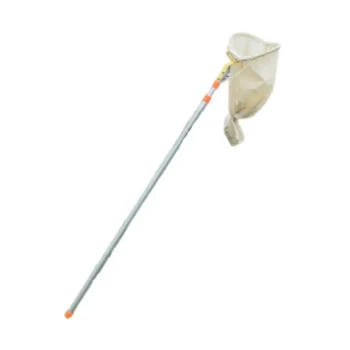
They differ significantly from Colony Inspection Tools, which are required for active, hands-on management.
While traps catch incoming or roaming beetles, they cannot physically remove pests that have already embedded themselves deep in the honeycomb.
The Limits of Traps
Traps reduce the load, but they do not guarantee the total elimination of an established infestation.
As noted in standard IPM protocols, physical examinations are still required to identify beetles damaging the brood and honey.
Heavily infested or weakened colonies may require the direct intervention of manual removal to prevent collapse, a task traps cannot perform.
Integrating Traps into Your Strategy
To effectively manage Large African Hive Beetles, you must balance passive trapping with active management.
- If your primary focus is Assessment: Deploy pheromone traps to gather data on infestation levels and determine if the pest load is increasing.
- If your primary focus is Immediate Relief: Utilize colony inspection tools for the manual identification and removal of beetles already consuming brood and honey.
- If your primary focus is Prevention: Maintain pheromone traps as a constant defensive line to capture scouting beetles before they establish a foothold.
Effective IPM relies on using traps to reduce the baseline population while remaining vigilant with physical inspections to protect the hive's core.
Summary Table:
| Feature | Monitoring Role | Population Control Role |
|---|---|---|
| Primary Goal | Data collection & assessment | Active pest reduction |
| Mechanism | Counting captured beetles | Continuous trapping of scouts |
| Actionable Outcome | Informs aggressive intervention needs | Lowers baseline infestation levels |
| Limitation | Doesn't remove embedded beetles | Cannot replace manual hive inspections |
| Best Used For | Gauging local pest density | Preventive defensive measures |
Maximize Your Apiary Productivity with HONESTBEE
Protecting your colonies requires a balance of high-tech surveillance and robust physical management. At HONESTBEE, we specialize in supporting commercial apiaries and distributors with a comprehensive suite of professional beekeeping solutions. From precision pheromone traps and colony inspection tools to industrial-grade hive-making and honey-filling machinery, we provide the hardware you need to scale your operations.
Whether you are looking to secure high-quality consumables or specialized equipment to combat pests like the Large African Hive Beetle, our wholesale offerings are designed to enhance your efficiency and yield.
Ready to upgrade your commercial beekeeping toolkit? Contact us today to explore our full catalog and see how HONESTBEE can empower your business success.
References
- Worrel A. Diedrick, Cameron Jack. Large African Hive Beetle Oplostomus fuligineus (Olivier) (Insecta: Coleoptera: Scarabaeidae). DOI: 10.32473/edis-in1309-2020
This article is also based on technical information from HonestBee Knowledge Base .
Related Products
- Professional Bucket Style Wasp and Moth Pheromone Trap
- 8 Frame and 10 Frame Propolis Trap Collector Screen for Propolis Collection
- 30 cm Plastic Entrance Hole Bee Pollen Trap and Collector
- Removable Plastic Pollen Trap With Ventilated Tray for Bees Pollen Collector
- Plastic Bee Pollen Trap Strips Comb Catcher Collector
People Also Ask
- What is the function of Pheromone Traps in the biosecurity monitoring of apiaries? Precision Tools for Pest Control
- How do professional wasp traps function? Master Physical Control of Oriental Hornets to Protect Your Apiary
- What are the practical advantages of using professional wasp traps and protective equipment in apiary management? Scale Up
- Why replace sugar syrup bait in wasp traps every three days? Ensure Maximum Attraction and Catch Rates
- What is the primary function of specialized traps used to defend against wasps? Protect Your Hive and Queen Today