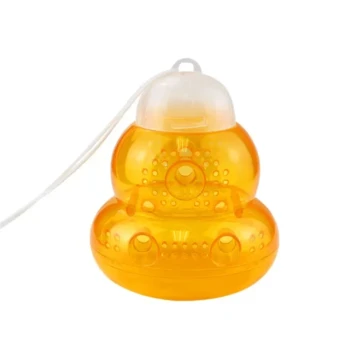
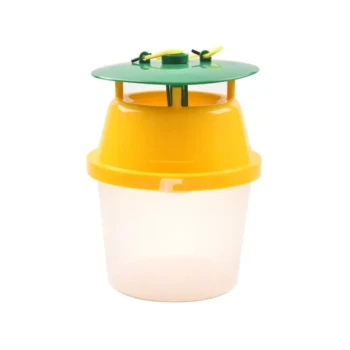
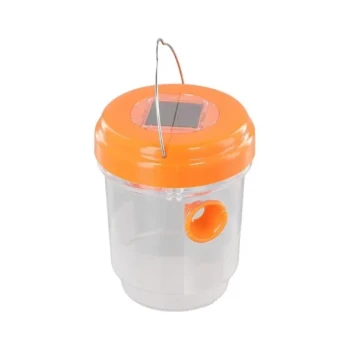
Professional wasp traps operate by physically intercepting and containing Oriental hornets (Vespa orientalis) to directly reduce the density of the predator population surrounding an apiary. By deploying these devices—often equipped with specific attractants and one-way entry mechanisms—beekeepers can significantly lower the frequency of attacks, thereby mitigating the immediate threat to honeybee colonies.
By capturing predators before they reach the hive, professional traps do more than just kill hornets; they fundamentally alter the defensive dynamics of the apiary, allowing the colony to conserve energy and maintain productivity during critical seasons.
The Mechanics of Physical Control
Direct Population Reduction
The primary function of a professional wasp trap is the physical removal of predators from the local ecosystem.
By capturing individual hornets, the traps weaken the overall predator population near the apiary. This creates a buffer zone that reduces the sheer number of hornets available to launch attacks on the hives.
Attraction and Containment
To be effective, these devices typically utilize specific chemical baits to lure hornets away from the beehives and into the trap.
Once inside, the hornets are contained via a one-way entry structure. This mechanical design ensures that once a predator enters to investigate the bait, it cannot escape to report the location or attack bees.
Monitoring Activity Patterns
Beyond removal, traps function as essential monitoring tools for the beekeeper.
Collecting and counting trapped wasps provides empirical data on hornet activity. This allows apiary managers to evaluate threat levels across different times of day and adjust their defense strategies accordingly.
Strategic Impact on Colony Health
Alleviating Defensive Pressure
The most critical biological benefit of trapping is the reduction of defensive stress on the bee colony.
When hornet numbers are high, worker bees must divert energy from foraging to defense. By lowering the attack frequency, traps allow the colony to focus on resource gathering rather than constant combat.
Protecting Winter Viability
Trapping is particularly vital during the peak activity period in autumn.
Protecting the colony during this season is essential for maintaining the "wintering strength" of the hive. By reducing predation in the fall, the colony enters the winter with a larger, healthier population, increasing its chances of survival.
Understanding the Trade-offs
The Necessity of Integration
While effective, traps are best utilized as a core component of integrated pest management, not a standalone cure.
Relying solely on traps without monitoring hive health or using other defensive measures may not fully eliminate the threat in areas with extreme hornet density.
Maintenance and Bait Specificity
The success of physical control relies heavily on the specificity of the bait and regular maintenance.
If the bait is not attractive enough, the hornets will ignore it for the bees; if it is too generic, it risks trapping beneficial insects. Furthermore, traps require labor to clear and bait to remain effective throughout the season.
Making the Right Choice for Your Goal
To maximize the effectiveness of professional wasp traps, align your usage with your specific apiary objectives:
- If your primary focus is Colony Survival: Deploy traps aggressively during the autumn peak to protect the wintering population and reduce defensive stress.
- If your primary focus is Data-Driven Management: Use traps to record capture counts, helping you identify daily activity patterns and predict future attack waves.
Effective physical control transforms a chaotic defense into a manageable, data-backed protection strategy.
Summary Table:
| Mechanism | Primary Function | Impact on Apiary |
|---|---|---|
| Direct Removal | Physical capture of predators | Reduces local hornet population density |
| One-Way Entry | Mechanical containment | Prevents hornets from returning to hives or nest |
| Specific Baits | Selective attraction | Lures predators away from bees without harming beneficials |
| Activity Monitoring | Data collection | Provides empirical evidence for defensive strategy adjustments |
| Stress Alleviation | Behavioral protection | Allows worker bees to focus on foraging instead of defense |
Secure Your Apiary’s Future with HONESTBEE
Protecting your honeybee colonies from the relentless threat of Oriental hornets requires professional-grade solutions. HONESTBEE is dedicated to supporting commercial apiaries and distributors with a comprehensive wholesale range of high-performance beekeeping tools and machinery.
From advanced wasp trapping systems to honey-filling machines and hive-making hardware, we provide the essential equipment and consumables you need to maintain a productive and healthy apiary. Our expertise in the full spectrum of beekeeping technology ensures that you can mitigate defensive stress and maximize seasonal yields.
Partner with the industry experts to fortify your business.
Contact HONESTBEE Today for Wholesale Solutions
References
- Mohamed Abdel-Rahman, Adhem Moustafa. An estimate of honeybee colony losses and their perceived reasons during two years in Qena and Luxor Governorates, Upper Egypt.. DOI: 10.21608/ajas.2012.266714
This article is also based on technical information from HonestBee Knowledge Base .
Related Products
- Gourd Shaped Hanging Wasp Trap Professional Wasp Catcher
- Professional Multi-Component Bucket Wasp Trap
- Professional Bucket Style Wasp and Moth Pheromone Trap
- Compact Multi-Funnel Hanging Wasp Trap
- Solar Powered LED Wasp Trap
People Also Ask
- What are the practical advantages of using professional wasp traps and protective equipment in apiary management? Scale Up
- Why replace sugar syrup bait in wasp traps every three days? Ensure Maximum Attraction and Catch Rates
- What role do specialized wasp traps play in wasp control? Enhance Apiary Security and Pest Monitoring
- How can commercial apiary operators mitigate wasp predation around hives using specialized trapping equipment? Effective strategies for wasp control
- What is the primary function of specialized traps used to defend against wasps? Protect Your Hive and Queen Today