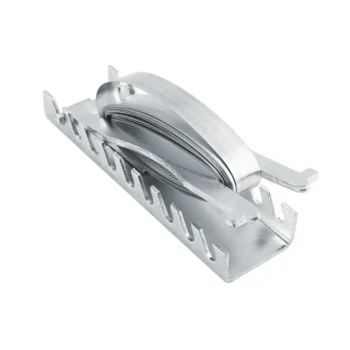
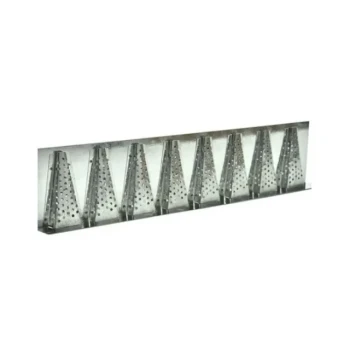
Ensuring colony survival and equipment integrity. A mouse guard is a critical physical barrier installed at the hive entrance to prevent rodents from infiltrating the beehive during the winter. Because honeybees remain in a tight cluster to conserve heat, they are unable to actively defend the hive, leaving honey stores and beeswax combs vulnerable to destructive pests seeking warmth and food.
Mouse guards are essential protective tools that safeguard both the biological colony and the physical hive equipment from the unsanitary conditions and structural damage caused by nesting rodents. For distributors, providing high-quality, precision-manufactured guards is a fundamental component of a comprehensive winterization product portfolio.
The Critical Role of Winter Pest Exclusion
Protecting Vital Honey Reserves
During the winter, bees rely entirely on stored honey to survive. Mice entering the hive will consume these reserves, often leading to the starvation of the entire bee colony before spring arrives.
Preventing Structural Damage
Rodents cause significant physical damage by gnawing on beeswax combs and wooden frames to create nesting space. This destruction forces beekeepers to invest in expensive replacement equipment and requires the bees to expend energy rebuilding comb instead of foraging in the spring.
Maintaining Hive Hygiene
Mice introduce urine, feces, and outdoor debris into the hive environment, creating unsanitary conditions. These contaminants can compromise the health of the bees and the quality of the honey, making a physical barrier a non-negotiable requirement for professional apiaries.
Engineering and Sourcing Excellence
Precision Material Selection
Premium mouse guards are typically manufactured from single-piece stainless steel or heavy-duty sheet metal. These materials are impervious to the constant gnawing of rodents, ensuring the barrier remains intact throughout the harshest winter seasons.
Optimizing Bee Traffic
Professional-grade guards feature precision-sized openings. These holes are calculated to be just large enough for worker bees to enter and exit for "cleansing flights" on warmer days, while remaining small enough to exclude even the smallest field mice.
Streamlined Sourcing and Fulfillment
As a leading partner in the apiculture supply chain, we offer a full-spectrum product portfolio that includes various guard designs to fit all standard hive dimensions. Our focus on ultra-fast delivery and efficient order fulfillment ensures that wholesalers can meet seasonal demand without carrying excessive inventory.
Navigating Trade-offs and Common Pitfalls
The Risk of Internal Trapping
If a mouse guard is installed too late in the season, there is a risk that a rodent has already moved inside. In these cases, the guard effectively traps the pest within the hive, where it can cause undisturbed damage; we recommend distributors advise clients on early-autumn installation.
Management of Winter Debris
Mouse guards can occasionally trap dead bees or hive debris behind the entrance, potentially blocking airflow. Beekeepers must be reminded to perform quick periodic checks to ensure the entrance remains clear for ventilation and bee access.
Hardware vs. Entrance Reducers
While standard wooden entrance reducers provide some protection, they are easily gnawed through by determined rodents. Recommending metal mouse guards over wooden alternatives provides a more reliable, "sell-and-forget" solution that builds long-term customer trust in your product quality.
Making the Right Choice for Your Goal
How to Apply This to Your Business
- If your primary focus is maximizing profit potential: Bundle stainless steel mouse guards with other winterization essentials like hive wraps and moisture quilts to offer a complete "Winter Survival Kit."
- If your primary focus is supply chain reliability: Partner with a supplier that offers rapid response times and deep industry expertise to ensure you never face stockouts during the critical autumn sales window.
- If your primary focus is customer retention: Educate your B2B clients on the longevity of metal guards over wooden alternatives, positioning your brand as a source for premium, durable equipment.
By integrating high-quality mouse guards into your inventory, you provide beekeepers with the definitive tool needed to protect their colonies from the most common causes of winter hive loss.
Summary Table:
| Key Feature | Benefit for the Beehive | Why Professionals Choose Metal |
|---|---|---|
| Pest Exclusion | Prevents mice from eating vital winter honey stores. | Impervious to gnawing; wood reducers are easily breached. |
| Structural Protection | Stops rodents from destroying beeswax combs and wooden frames. | Long-lasting durability ensures multi-season equipment use. |
| Hygiene Control | Prevents contamination from rodent feces, urine, and debris. | Maintains honey quality and colony health for spring. |
| Precision Openings | Allows bees "cleansing flights" while blocking even small mice. | Engineered for optimal airflow and specific bee traffic needs. |
Scale Your Apiary Supply Business with HONESTBEE
Elevate your inventory with HONESTBEE’s premium, precision-engineered beekeeping equipment. We cater specifically to distributors and B2B resellers with a comprehensive one-stop sourcing model that includes everything from durable stainless steel mouse guards to honey-filling machinery and hive-making hardware.
Why Partner with Us?
- Maximize Profit Margins: Benefit from competitive wholesale pricing and reliable OEM/ODM support.
- Unmatched Reliability: Leverage our deep professional industry expertise and rapid response times.
- Efficient Fulfillment: Our ultra-fast delivery ensures you meet seasonal demand without inventory gaps.
Ready to enhance your product portfolio with high-performance winterization tools? Contact us today to explore our wholesale offerings!
Related Products
People Also Ask
- What are the types of Emlocks available? Choose the Right Strap for Hive Security
- How does the performance of ratchet straps compare to cam buckle straps for securing beehives? Expert Comparison Guide
- What role do standardized beehive fastening and protective consumables play? Secure Colonies Against Natural Disasters
- What are the two styles of hive straps? Choose the Right Strap for Your Hive Security
- How should hive straps be stored? Prevent Tangles & Extend Strap Life