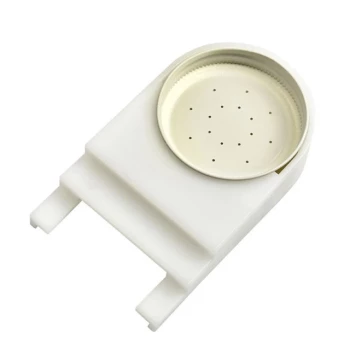
In the Apimaye system, the inner cover and top feeder function as the primary controls for hive ventilation and colony nutrition. The inner cover serves as the central ventilation unit, featuring integrated air ducts that allow air to circulate freely. The top feeder, positioned directly beneath the outer lid, provides a versatile platform for feeding both liquids and solids without disrupting the colony’s internal thermal balance.
Core Takeaway: These components are designed to decouple hive management from hive disturbance. They allow you to regulate airflow and replenish food stores without exposing the brood nest to the elements or breaking the colony’s temperature seal.
Mastering Hive Ventilation
The health of a colony depends heavily on moisture and temperature regulation. The Apimaye inner cover is engineered to address this specifically.
Integrated Air Ducts
The inner cover is not merely a lid; it is a component of the ventilation system.
It contains built-in air ducts designed to facilitate air movement. This allows moisture to escape and fresh air to circulate freely, preventing the buildup of condensation that can be fatal to bees in colder months.
Optimizing Colony Nutrition
The top feeder is designed for flexibility and minimal intrusion. It resolves the common challenge of feeding bees without chilling the brood.
Maintaining Thermal Stability
The feeder sits securely under the top cover.
Because of this placement, you can access the feeder to replenish supplies without exposing the hive's interior to cold air or wind. This ensures the internal temperature remains stable during feeding operations.
Versatility for Liquids and Solids
The feeder design accommodates different nutritional needs based on the season.
It can be used to feed both liquids (syrup) and solids (fondant or pollen patties). This eliminates the need to swap out equipment when changing food sources.
The Non-Intrusive Screen Barrier
A critical feature of the top feeder is the protective screen.
This screen provides a physical barrier to the hive below. It allows you to refill the feeder without direct contact with the bees, significantly reducing the risk of stings or accidental bee deaths during maintenance.
Dual-Feeding Capability
The system allows for compartmentalization.
The unit can be divided into two half-feeders. This enables the simultaneous provision of different feed types or the management of smaller portions depending on colony strength.
Operational Considerations
While these components offer significant advantages, understanding their interaction with the rest of the system is vital for proper function.
System Dependency
These components are part of a manufactured ecosystem with standardized measurements.
To achieve the intended thermal and ventilation benefits, the inner cover and feeder rely on the precise fit of the accompanying brood boxes and supers. The system utilizes specific latches to secure these components, meaning they function best when used exclusively with compatible Apimaye equipment rather than makeshift alternatives.
Making the Right Choice for Your Goal
To maximize the effectiveness of your Apimaye setup, align your usage of these components with your immediate apiary objectives:
- If your primary focus is Overwintering: Ensure the inner cover's air ducts are clear to prevent condensation, and use the top feeder for solid dry feeds like fondant.
- If your primary focus is Spring Buildup: Utilize the division capability of the top feeder to provide liquid syrup in one half and pollen substitutes in the other to stimulate brood rearing.
The Apimaye design turns the passive tasks of covering and feeding into active, manageable tools for colony success.
Summary Table:
| Feature | Component | Primary Function | Key Benefit |
|---|---|---|---|
| Integrated Air Ducts | Inner Cover | Moisture & Airflow Regulation | Prevents fatal condensation and regulates temperature. |
| Thermal Barrier | Top Feeder | Non-Intrusive Feeding | Replenish stores without breaking the brood nest's heat seal. |
| Dual-Compartment | Top Feeder | Versatile Nutrition | Allows simultaneous feeding of liquids (syrup) and solids (fondant). |
| Screen Barrier | Top Feeder | Safety & Protection | Refill food without bee contact, reducing stings and bee mortality. |
Scaling Your Beekeeping Operations with HONESTBEE
As a professional in the industry, you know that efficient hive management is the backbone of a profitable apiary. HONESTBEE is dedicated to supporting commercial apiaries and distributors with high-performance solutions. Beyond specialized components like those in the Apimaye system, we provide a full spectrum of beekeeping tools, advanced machinery (including hive-making and honey-filling machines), and essential consumables at wholesale scale.
Whether you are looking to streamline your honey production or stock your distribution network with premium beekeeping hardware and cultural merchandise, our team is ready to deliver the expertise and equipment you need.
Ready to elevate your apiary's efficiency? Contact us today to explore our comprehensive wholesale offerings!
Related Products
- Inner Beehive Cover for Beekeeping Bee Hive Inner Cover
- Professional Hive Top Bee Feeder for Beekeeping
- Rapid Bee Feeder White Plastic 2L Round Top Feeder for 8 or 10-Frame Bee Hives
- HONESTBEE Professional Hive Top Bee Feeder Feeding Solution
- HONESTBEE Round Hive Top Bee Feeder for Syrup
People Also Ask
- What is the purpose of the inner cover in a beehive? A Key to Hive Health & Easy Management
- What is the function and placement of an inner cover in a beehive? Essential Hive Management Guide
- What is the purpose of the inner and outer covers in a beehive? Essential for Hive Health & Management
- What is a beehive's inner cover and how is it used? Essential Guide for Hive Insulation and Ventilation
- What are the functions of the inner and outer covers on a beehive? Essential Guide for Hive Protection and Management