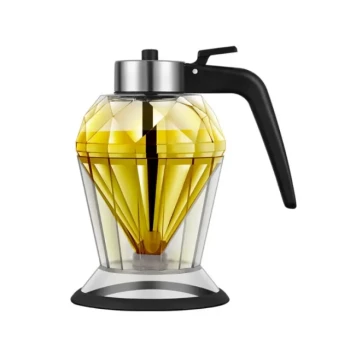
Amber or light-shielding glass bottles are a critical requirement for maintaining the stability of botanical extracts. When exposed to ultraviolet (UV) light, the active antimicrobial components in these extracts can rapidly oxidize or degrade. These specialized containers effectively block external light, preserving the biological activity required to treat bee diseases effectively.
The use of amber glass is not merely aesthetic; it serves as a functional barrier against UV radiation that destroys the chemical integrity of the extract. To ensure maximum efficacy, this light protection must be combined with a low-temperature environment, typically around 4°C.
The Science of Preservation
Preventing Chemical Degradation
The primary threat to botanical extracts is ultraviolet (UV) radiation. When light strikes the extract, it triggers chemical reactions—specifically oxidation—that break down the active antimicrobial molecules.
Maintaining Biological Activity
For an extract to be useful in an apiary, its biological activity must remain intact. If the active components degrade due to light exposure, the solution loses its ability to control bee diseases, rendering the treatment useless.
The Role of Glass
Glass is the preferred material because it offers chemical inertness. Unlike some plastics, high-quality glass does not react with the botanical compounds, ensuring that the extract remains pure and unaltered during storage.
The Importance of Environmental Control
The Synergy of Cold Storage
Light shielding alone is often insufficient for long-term preservation. The primary reference indicates that amber bottles should be stored in a low-temperature environment, such as 4°C.
Combating Heat and Light Together
Heat accelerates the same degradation processes that light initiates. By combining light-blocking glass with refrigeration, you create a dual-defense system that drastically slows down the breakdown of active ingredients.
Sealing and Physical Protection
In addition to blocking light, high-quality glass bottles provide excellent sealing properties. A tight seal prevents the ingress of oxygen and contaminants, which offers essential physical protection alongside the chemical protection provided by the amber tint.
Understanding the Trade-offs
Amber Glass vs. Total Darkness
While amber glass filters out harmful UV rays, it is not an excuse to store bottles in direct sunlight. It significantly reduces exposure, but for maximum longevity, these bottles should still be kept in a dark, cool location.
Fragility and Handling
The trade-off for the superior chemical protection of glass is its fragility. Care must be taken during transport and handling in the apiary environment to prevent breakage, which would lead to the immediate loss of the valuable extract.
Making the Right Choice for Your Goal
To maximize the effectiveness of your botanical treatments, apply the following storage principles:
- If your primary focus is immediate efficacy: Ensure the bottle is amber-tinted and removed from storage only immediately before application to minimize light exposure.
- If your primary focus is long-term inventory storage: Combine light-shielding glass with a consistent 4°C refrigeration schedule to arrest chemical degradation.
Ultimately, the vessel you choose is just as important as the extract itself; without proper light shielding, even the most potent formula will fail.
Summary Table:
| Feature | Benefit for Botanical Extracts | Storage Requirement |
|---|---|---|
| Amber Tint | Blocks UV radiation to prevent chemical oxidation | Keep in cool, dark areas |
| Glass Material | Chemical inertness ensures purity and no leaching | Handle with care to avoid breakage |
| Airtight Seal | Prevents oxygen ingress and contamination | Ensure caps are tightened after use |
| Cold Storage | Synergizes with light-shielding to slow degradation | Maintain constant 4°C (39°F) |
Elevate Your Apiary’s Success with HONESTBEE
At HONESTBEE, we understand that the quality of your output depends on the integrity of your tools and supplies. Whether you are a commercial apiary or a global distributor, we provide the comprehensive wholesale solutions you need to thrive.
Our extensive portfolio includes:
- Advanced Machinery: Precision hive-making and high-efficiency honey-filling machines.
- Durable Hardware: A full spectrum of beekeeping tools and professional-grade equipment.
- Essential Consumables: High-quality storage solutions and industry-standard supplies.
- Cultural Merchandise: Unique honey-themed retail products to expand your brand.
Don't let improper storage or outdated equipment compromise your extracts and honey quality. Partner with an industry leader dedicated to your growth.
Contact HONESTBEE Today to Explore Our Wholesale Catalog
References
- Mesbah H.A., G.A. EL-Hamamy. Efficiency of Certain Natural Extracts and Antibiotics in Managing the American Foulbrood (AFB) of Honey Bees in Egypt. DOI: 10.21608/asejaiqjsae.2017.3616
This article is also based on technical information from HonestBee Knowledge Base .
Related Products
People Also Ask
- How to clean a honey dripper? A Simple Guide to Preserve Your Tool's Quality
- What is the proper method for cleaning a honey dipper? Maintain Pure Flavor with These Easy Pro Tips
- What is a honey dipper? Master the Art of the Perfect Drizzle with This Essential Tool
- How do you clean and store a honey dipper? Simple Steps for Long-Lasting Performance
- What is a honey taking spoon called? Discover the Tool for a Perfect, Mess-Free Drizzle