All Questions
How Do The Natural Acidity And Osmotic Properties Of Honey Influence Material Specifications For Commercial Honey Storage And Filling Hardware? Discover Essential Equipment Choices.
Learn how honey's acidity and osmotic behavior dictate material, sealing, and flow-control requirements for commercial storage and filling equipment.
Why Are Glass Containers Preferred Over Plastic For Honey? Protect Purity, Enzymes, And Maximize Premium Market Value.
Discover why glass is superior for honey packaging: it preserves purity, prevents moisture absorption, and enhances premium market appeal for B2B.
What Is The Role Of High-Density Polyethylene (Hdpe) Containers In Honey Sampling? Ensure Purity & Bioactive Integrity
Learn how HDPE containers protect honey samples from moisture, UV light, and chemical reactions to ensure accurate lab analysis and product purity.
Why Is The Use Of Dark Glass Bottles Considered A Critical Storage Process For Maintaining Honey Quality? Protect Potency.
Learn why dark glass is essential for honey storage. It blocks UV light, protects bioactive compounds, and ensures long-term purity and market value.
What Is The Commercial Significance Of High-Quality Stingless Bee Honey Packaging? Boost Brand Value & Shelf Stability
Discover how premium glass and plastic packaging preserve stingless bee honey, prevent fermentation, and maximize profit margins for B2B wholesalers.
Why Are Sealed Polyethylene Bottles Used For Honey Storage? Ensure Long-Term Sample Stability And Purity
Discover why polyethylene bottles are ideal for honey storage, offering superior moisture barriers and chemical inertness to prevent fermentation.
Why Are High-Sealing Plastic Sampling Bottles Required For Storing Raw Stingless Bee Honey Samples? Ensure Purity.
Discover why high-sealing bottles are vital for stingless bee honey to prevent fermentation, moisture absorption, and preserve medicinal bioactives.
How Do Different Honey Packaging Capacities Impact Pricing And Segments? Optimize Your Strategy For Profit And Scale
Learn how honey packaging sizes (<500g vs. >1kg) influence pricing, profit margins, and consumer targeting for distributors and wholesalers.
Why Are High-Transparency Glass Containers Preferred For High-End Honey? Maximize Visual Appeal And Market Value
Discover why premium honey brands use glass to ensure purity, enhance visual marketing, and secure higher price points for B2B distributors.
Why Are Sterile Glass Containers And Light-Shielding Methods Used For Honey Storage? Preserve Purity And Market Value
Learn how sterile glass and light-shielding protect honey from fermentation, enzyme loss, and chemical contamination for the global trade market.
What Is The Function Of Uv-Resistant Packaging Materials For Honey? Protect Bioactivity And Extend Shelf Life
Learn how UV-resistant packaging protects honey's enzymes and antibacterial properties, ensuring product quality and high market value.
What Are The Technical Advantages Of Using High-Seal, Small-Capacity Plastic Containers For Packaging Mandaçaia Honey?
Learn how high-seal 200ml plastic containers prevent fermentation, preserve medicinal honey quality, and reduce B2B shipping costs and breakage.
Why Are Standardized Transparent Glass Jars Used In The Sensory Analysis Of Honey? Keys To Objective Grading
Standardized glass jars ensure honey grading objectivity by eliminating bias, preserving chemical integrity, and allowing precise Pfund scale analysis.
What Is The Technical Importance Of Using High-Quality Packaging Consumables For Honey Storage And Marketing? Boost Value
Learn how high-quality packaging prevents honey fermentation and oxidation, ensuring shelf-life stability and premium brand positioning for B2B trade.
Why Are Glass Containers And Low-Temperature Storage Equipment Essential For Apple Honey? Ensure Premium Purity & Value
Learn why glass and cold storage are vital for apple honey. Protect purity, stop fermentation, and maintain premium market value for B2B buyers.
Why Must High-Quality Glass Containers Be Used Instead Of Plastic For Honey Sampling? Ensure Accuracy & Purity
Discover why glass is mandatory for honey pollutant analysis to prevent plasticizer leaching and ensure accurate, professional lab results.
How Do Food-Grade Packaging Containers And Professional Sealing Labels Enhance The Value Of Honey Products? Maximize Margins
Discover how professional packaging and labels protect honey quality, ensure traceability, and boost profit margins for B2B distributors.
How Do Air-Tight Containers Impact The Quality And Stability Of Stored Honey? Protect Your Product And Market Value
Discover how airtight storage prevents honey fermentation and HMF rise, ensuring long-term stability, nutritional purity, and regulatory compliance.
Why Are Highly Sealed Glass Containers Essential For Honey Samples? Protect Purity And Ensure Analytical Accuracy
Discover why highly sealed glass is vital for honey analysis, preventing fermentation and ensuring accurate chemical and botanical verification.
Why Are Necked Ceramic Jars Categorized As Essential Transport Consumables? Optimize Your Global Honey Supply Chain
Learn why necked ceramic jars are vital for honey logistics, offering thermal protection, standardized filling, and superior durability for trade.
How Are Spouted Ceramic Jars Utilized As Auxiliary Equipment During Beekeeping Operations? Master Traditional Hive Safety
Discover how spouted ceramic jars manage bee behavior through controlled smoke. A must-have for traditional apiaries and wholesale portfolios.
What Is The Importance Of Using Airtight Containers For The Long-Term Storage Of Honey Samples? A B2B Quality Guide.
Learn why airtight containers are vital for honey storage. Prevent fermentation, preserve nutrients, and ensure quality for B2B distribution.
What Are The Advantages Of Using 750Ml High-Quality Glass Bottles For Honey? Maximize Shelf Life And Premium Market Value
Discover why 750ml glass bottles are the gold standard for honey packaging, offering superior barrier protection, purity, and high-end B2B appeal.
Why Is The Use Of New Food-Grade Plastic Or Glass Containers Critical For Honey Storage? Ensure Purity & Market Value
Discover why food-grade packaging is vital for honey: prevent fermentation, ensure safety, and meet B2B regulatory standards for global distribution.
What Is The Technical Rationale For Using High-Transparency Glass Containers For Honey? Ensure Purity & Premium Value
Discover why high-transparency glass is the gold standard for premium honey, offering chemical inertness, oxygen barriers, and visual trust.
What Are The Advantages Of Using Clean Pe Bottles For Honey And Royal Jelly? Ensure Sample Purity And 22-Month Stability
Discover how high-purity PE bottles prevent contamination and fermentation, preserving the chemical integrity of honey and royal jelly for 22 months.
What Is The Importance Of Using Sterile Transparent Plastic Containers During The Honey Sampling Process? Ensure Purity
Discover why sterile transparent plastic containers are vital for honey sampling to prevent contamination and ensure accurate lab results.
Why Is Industrial-Grade Glass Packaging Preferred Over Plastic For High-End Honey? Preserve Purity And Market Value
Discover why glass is the gold standard for premium honey, providing superior barrier properties, chemical purity, and high-end commercial appeal.
What Role Do Specialized Honey Packaging Bottles Play In The Commercialization Of Stingless Bee Products? Drive Growth
Discover how specialized packaging prevents fermentation and elevates stingless bee honey into a premium, retail-ready health supplement for export.
Why Are Glass Jars Considered The Preferred Packaging Material In The Commercial Honey Industry? Protect Purity & Value
Discover why glass jars are the industry standard for honey: superior barrier protection, chemical stability, and premium market positioning for B2B.
What Are The Technical Advantages Of High-Quality Plastic Honey Containers? Optimize Your B2B Supply Chain
Explore the technical benefits of plastic honey packaging: superior moisture protection, impact resistance, and cost-effective logistics for B2B.
Why Must Honey Samples Be Stored In Sealed Sterile Containers? Ensure Botanical Origin Accuracy For B2B Sourcing
Learn why sealed sterile containers are vital for honey palynological analysis to prevent contamination and ensure botanical origin and purity.
What Is The Significance Of High-Quality Food-Grade Glass Or Plastic For Honey Storage? Ensure Safety And Market Value
Discover why food-grade packaging is vital for honey storage to prevent fermentation, preserve enzymes, and ensure international trade compliance.
Why Are Sterile Glass Containers Necessary For Honey Collection? Ensure Accurate Analysis & Regulatory Compliance
Discover why sterile glass is essential for honey heavy metal analysis. Prevent leaching and contamination to ensure accurate B2B quality testing.
What Is The Benefit Of Storing Final Honey Extracts In Amber Glass Vials? Ensure Maximum Purity And Product Stability
Discover how amber glass vials protect honey extracts from UV degradation, prevent leaching, and enhance shelf life for professional B2B distributors.
How Do Glass Jars Preserve Honey Quality Vs Plastic? Maximize Shelf Life And Premium Appeal For B2B Distribution.
Discover how professional glass jars protect honey quality, ensure sensory consistency, and boost market value through superior barrier properties.
What Are The Primary Advantages Of Using Lightweight Industrial-Grade Plastic Honey Containers? Optimize Your Logistics
Discover how industrial-grade plastic containers reduce shipping costs, prevent breakage, and preserve honey quality for commercial distributors.
Why Is The Use Of High-Performance Airtight Glass Or Plastic Containers Critical For Honey? Ensure Quality & Longevity.
Learn why airtight storage is vital for honey to prevent moisture absorption, fermentation, and preserve bioactive enzymes and natural flavors.
Why Are Glass Or Specialized Organic-Coated Materials Preferred For Organic Honey Packaging? Preserve Purity And Value
Discover why glass and organic coatings are vital for preserving organic honey purity, extending shelf life, and ensuring food safety compliance.
What Are The Technical Advantages Of Using Small-Capacity Bottles For Stingless Bee Honey Packaging? Expert Insights
Discover how small-capacity packaging preserves stingless bee honey by preventing fermentation and oxidation while ensuring logistical efficiency.
Why Are Pre-Washed Polyethylene Bottles With Tight-Fitting Seals Essential For Honey Sampling? Ensure Lab Accuracy.
Discover why pre-washed PE bottles are vital for honey sampling. Prevent contamination, maintain moisture, and ensure accurate B2B lab results.
How Do Screw-Cap Dark Storage Containers Contribute To Maintaining The Integrity Of The Microbial Profile In Honey Samples?
Discover how screw-cap dark containers preserve honey’s microbial integrity, protect DNA, and prevent contamination for accurate B2B quality testing.
Why Use Glass Bottles And +4°C For Honey Samples? Ensure Analytical Integrity And Purity For B2B Honey Trading
Learn why glass containers and +4°C refrigeration are essential for preserving honey sample integrity and ensuring accurate analytical results.
What Makes Glass Jars The Preferred Method For Honey Storage? Preserving Purity, Flavor, And Quality
Learn why glass is the industry standard for honey storage, offering chemical inertness, moisture protection, and superior preservation.
How Do Glass Jars Preserve The Original Flavor And Nutrients Of Honey? The Ultimate Storage Choice For Purity
Discover why glass jars are the superior choice for preserving honey's enzymes, flavor, and nutrients through chemical inertness.
What Are The Benefits Of Glass Jars Regarding Strength And Safety For Storing Honey? Ensure Purity And Long-Term Quality
Discover why glass jars are the superior choice for honey storage, offering chemical purity, durability, and a total barrier against oxidation.
What Is The Aesthetic Appeal Of Using Glass Jars For Honey? Elevate Your Brand With Premium Packaging
Discover how glass honey jars enhance visual appeal, build consumer trust through transparency, and position your brand as a gourmet choice.
Why Are Glass Jars An Eco-Friendly Choice For Honey Packaging? The Sustainable Circular Solution For Honey Purity
Discover why glass jars are the premier sustainable choice for honey packaging, offering indefinite recyclability and superior product purity.
What Design And Functional Flexibilities Do Glass Honey Jars Offer? Unlock Versatility And Purity In Honey Storage
Discover the design benefits and functional advantages of glass honey jars, from ergonomic wide-mouth shapes to superior preservation features.
Why Is Proper Packaging Crucial For Honey? Protect Quality And Maximize Your Brand Value
Learn why honey packaging is vital for preventing fermentation, preserving enzymes, and building brand trust in the commercial market.
What Are The Benefits Of Purchasing Honey Containers In Bulk? Maximize Margins & Secure Your Supply Chain
Unlock the financial and operational benefits of bulk honey containers, from reduced unit costs to enhanced logistical efficiency for apiaries.
What Are The Common Types Of Containers Used For Honey Packaging? Expert Guide To Glass, Plastic, And Squeeze Bottles
Explore the best honey packaging options: from premium glass jars to durable plastic jugs and convenient squeeze bottles for your apiary needs.
What Are The Characteristics Of Glass Jars And Bottles As Honey Packaging? The Guide To Premium Preservation
Discover why glass is the top choice for honey packaging, featuring unmatched chemical stability, visual appeal, and superior barrier protection.
What Are The Features Of Plastic Containers For Honey Packaging? Lightweight, Durable, And Versatile Solutions
Explore the benefits of plastic honey packaging, including impact resistance, shipping efficiency, and custom design options for your brand.
What Are The Characteristics Of Squeeze Bottles For Honey Packaging? Optimize Your Product For Convenience
Explore the key features of honey squeeze bottles, from flexible LDPE/PET materials to flow-control caps and shatterproof durability.
What Is The Purpose Of Using Pouches And Tubes For Honey Packaging? Enhance Portability And Convenience
Learn why honey pouches and tubes are the top choice for single-serving portability, food service efficiency, and active consumer lifestyles.
What Are The Advantages And Disadvantages Of Using Glass For Honey Packaging? Purity Vs. Logistics Efficiency
Discover the pros and cons of glass honey packaging, from superior purity and premium aesthetics to weight and fragility challenges.
What Are The Advantages And Disadvantages Of Using Plastic For Honey Packaging? Choosing The Best Containers
Evaluate the pros and cons of plastic honey packaging, from logistical cost savings to impacts on purity and crystallization.
What Is The Advantage Of Using Bpa-Free Plastic For Honey Containers? Ensure Chemical Purity & Product Longevity
Learn how BPA-free plastic honey containers prevent chemical leaching, ensure airtight sealing, and provide durable, lightweight storage solutions.
What Sustainable Packaging Options Are Available For Honey? Eco-Friendly Solutions For Modern Apiaries
Discover sustainable honey packaging: glass, PCR plastics, and flexible pouches. Learn how to balance eco-impact with product preservation.
What Are The Fda Regulations Regarding Materials For Honey Packaging? Choose The Best Food-Safe Containers
Learn which materials comply with FDA standards for honey packaging, including glass and food-grade plastics like PET, HDPE, and LDPE.
What Food Safety Standards Must Honey Containers Meet? Expert Guide To Packaging Integrity & Hygiene
Learn essential food safety standards for honey containers, from airtight seals to food-grade stainless steel for bulk storage.
What Are Tamper-Evident Features In Honey Packaging And Why Are They Important? Protect Your Honey Product Integrity
Learn about essential tamper-evident features like induction seals and pop-up lids that ensure honey safety, quality, and consumer trust.
What Should Be Considered When Choosing A Container For Honey To Ensure Effective Sealing? Master Honey Packaging Success
Learn how to select honey containers and master sealing techniques to prevent oxidation, contamination, and spoilage for your apiary products.
Why Is It Important To Store Honey In Airtight Containers? Best Preservation Methods For Beekeepers
Learn why airtight glass jars are essential for honey storage. Prevent fermentation, control crystallization, and preserve flavor profile effectively.
How Does The Appearance Of Glass Jar Packaging Affect The Sales And Perception Of Honey? Boost Your Premium Brand Value
Learn how glass jar packaging influences honey sales through premium aesthetics, transparency-driven trust, and superior quality preservation.
Why Is Using Glass Bottles For Honey Packaging Aligned With Sustainability Trends? Elevate Brand With Circular Packaging
Learn how glass honey packaging supports sustainability through infinite recyclability, superior preservation, and alignment with the circular economy.
What Are The Proper Methods For Storing And Packaging Honey? Preserve Freshness And Quality Effortlessly
Learn the best practices for honey storage and packaging, focusing on moisture control, temperature stability, and container selection.
What Are The Characteristics And Materials Of Honey Jars? Choosing Between Glass And Plastic For Your Apiary
Learn the pros and cons of glass vs. plastic honey jars, focusing on preservation, durability, shipping costs, and shelf appeal.
What Are The Features And Benefits Of Using Honey Bottles For Packaging? Optimize Preservation And Consumer Experience
Explore how honey bottle features like squeezable designs, airtight seals, and material choices enhance user convenience and product shelf life.
How Is 'Chunk Honey' Made? A Professional Guide To Crafting Premium Comb-In-Jar Honey
Learn the step-by-step process of making chunk honey, from freezing cut-comb to liquid honey assembly for maximum visual appeal and quality.
What Are The Advantages And Disadvantages Of Storing Honey In Glass Versus Plastic? Choose The Best For Your Honey
Explore the pros and cons of glass vs plastic for honey storage, focusing on flavor preservation, durability, and cost-effectiveness.
What Types Of Containers Are Recommended For Bottling Honey? Expert Guide To Containers And Filling Equipment
Learn why glass is the best honey container and how heated tanks and automatic fillers can optimize your commercial bottling process.
What Are The Benefits Of Using Glass Jars For Packaging Raw Honey? Ensure Purity And Premium Market Appeal
Discover why glass is the gold standard for honey packaging, offering chemical inertness, moisture protection, and premium visual appeal.
How Do Glass And Plastic Containers Compare In Terms Of Material Cost And Cost Per Use? Optimize Your Packaging Roi
Compare glass vs. plastic costs: Learn how glass's durability leads to a lower cost per use despite higher initial material investments.
What Is The Difference In Shipping Costs Between Glass And Plastic Containers? Why Plastic Saves You Money
Discover why plastic containers offer significant shipping savings over glass by reducing payload weight and fuel costs.
How Does The Durability Of Glass Compare To Plastic For Packaging? Long-Term Integrity Vs. Transit Resilience
Compare glass and plastic durability. Learn why glass offers superior long-term stability and shelf life despite its transit fragility.
What Are The Food Safety Considerations For Using Glass Versus Plastic For Honey Storage? Ensure Purity And Longevity
Compare glass and plastic for honey storage. Learn how material choice impacts chemical stability, moisture protection, and honey quality preservation.
What Are The Features And Common Types Of Glass Jars Used For Honey Packaging? Enhance Your Honey Brand
Discover why glass jars like Muth, Queenline, and Wide Mouth are the gold standard for honey packaging, preservation, and premium retail display.
What Are The Advantages Of Using Plastic Bottles For Honey Packaging? Boost Efficiency And Market Appeal
Discover why plastic honey packaging is the pragmatic choice for durability, reduced shipping costs, and enhanced consumer convenience.
What Type Of Containers Are Recommended For Bottling Fresh Honey And Why? Glass Vs. Plastic For Long-Term Quality
Learn why glass jars are the superior choice for honey bottling, offering easy decrystallization, chemical stability, and better shelf life.
What Are The Steps For Preparing Jars For Bottling Honey? Guide To Professional Honey Sanitation & Packaging
Learn how to properly wash, sanitize, and cool glass jars for honey bottling to preserve flavor, nutrients, and artisanal quality.
How Is The Quality Of Honey Maintained During The Packaging Process? Master The Science Of Pure Honey Preservation
Learn how precision filtration, temperature control, and hermetic sealing preserve honey's enzymes, flavor, and shelf life during packaging.
What Are The Common Packaging Styles Used For Honey? Optimize Freshness With The Right Container
Explore common honey packaging styles from traditional jars to portable sticks, and learn how material choice impacts honey quality and shelf life.
What Are Some Common Types Of Jars Used For Honey Packaging? Choose The Best Styles To Boost Your Brand
Explore common honey jar styles like Hex, Queenline, and Hive. Compare glass vs. plastic for preservation and consumer appeal.
What Materials Are Typically Used For Honey Packaging Bottles? Glass Vs. Plastic Comparison
Discover why glass and plastic are the top choices for honey packaging, highlighting moisture control, durability, and shelf life.
Why Is The Total Budget A Critical Consideration In Honey Packaging? Ensure Profitability And Sustainable Design
Learn why budgeting is the foundation of honey packaging. Discover how to balance material costs, design, and margins for business success.
What Role Does Packaging Design Play In The Success Of A Honey Product? Boost Your Brand's Value And Shelf Appeal
Learn how packaging design drives honey sales through brand differentiation, premium positioning, and essential product preservation.
How Does The Viscosity Of Honey Influence Packaging Choices? Selecting The Best Containers & Machinery
Learn how honey viscosity dictates packaging material selection and the machinery required to prevent leakage and maximize efficiency.
What Factors Should A Manufacturer Consider When Selecting Honey Packaging Material? Optimize Your Filling Operations
Learn how to choose honey packaging materials based on market trends, viscosity management, and high-speed filling machinery compatibility.
Why Is It Important To Meet Customer Expectations In Honey Packaging? Secure Brand Loyalty And Product Purity
Learn why meeting consumer expectations in honey packaging is critical for brand retention, safety, and preventing honey spoilage.
What Is The Importance Of Honey Packaging For A Successful Honey Business? Boost Shelf Life And Brand Value
Discover how professional honey packaging prevents fermentation, ensures food safety, and transforms your harvest into a premium, scalable brand.
What Is The Proper Way To Store Honey To Prevent Moisture Absorption? Expert Tips For Long-Term Quality
Learn how to prevent honey fermentation and moisture absorption with airtight sealing, dry environments, and proper handling techniques.
How Do Honey Bottles Contribute To The Preservation Of Honey Products? Secure Quality And Commercial Value
Learn how the right honey bottles prevent spoilage, ensure chemical integrity, and drive commercial success for professional beekeepers.
What Are The Functional Benefits Of Using Glass Containers For Honey? Maximize Purity And Shelf-Life Stability
Discover how glass containers protect honey from moisture, oxidation, and chemical leaching to ensure long-term bioactive preservation.
What Are The Considerations For Choosing Small-Volume Packaging For Stingless Bee Honey? Optimize Value & Stability
Learn why 100ml bottles are the strategic choice for stingless bee honey to preserve bioactivity, manage moisture, and maximize premium market value.
How Do Specialized Honey Containers And Packaging Contribute To Market Value? Maximize Retail Profit And Brand Integrity
Discover how specialized honey packaging enhances market value by ensuring product integrity, preventing fermentation, and elevating brand appeal.
What Are The Technical Advantages Of Using Wide-Mouth Glass Jars For Honey Samples? Ensure Analytical Fidelity
Discover why high-quality glass jars are the gold standard for honey storage, offering chemical inertness and superior moisture control.
What Types Of Packaging Are Suitable For The Distribution Of Finished Infused Honey? Secure Your Product Integrity
Discover the best packaging for infused honey distribution, from glass jars to sustainable pouches, focusing on preservation and shelf appeal.
How Do Industrial-Grade Packaging Materials Ensure Value Preservation For Honey Products? Secure Quality & Longevity
Discover how industrial-grade packaging prevents fermentation and preserves the premium flavor of honey throughout the global supply chain.
Related Products

Classic Beehive Honey Bottle Jar with Squeeze Dispenser Lid

Economy Small Honey Filling Machine Honey Bottle Filler Packaging Machine

Automatic Honey Filling and Filtering Machine for Beekeeping Bottle Filling

Semi Automatic Small Honey Bottle Filling Machine Honey Filler
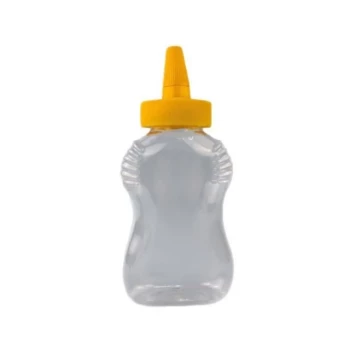
Ergonomic Squeezable Honey Bottle with Precision Twist Nozzle Cap