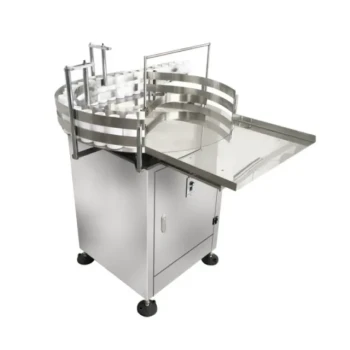
Feed mixers and specialized feeding systems are the critical infrastructure for colony survival in environments where natural biodiversity has collapsed. In fragmented landscapes, these tools allow beekeepers to move beyond simple starvation prevention, enabling the delivery of complex nutritional blends that actively boost the honeybee’s physiological defenses against environmental stressors.
Core Takeaway While sugar syrup provides basic energy, colony vitality in fragmented habitats requires precise supplementation of proteins and micronutrients. Specialized feeding systems facilitate this balanced diet, which is biologically necessary to activate the honeybee's detoxification enzymes and ensure resistance against pesticides and pathogens.
The Biological Necessity of Precision Nutrition
In landscapes lacking natural nectar and pollen diversity, bees face a "nutritional drought." The use of feed mixers is not merely about convenience; it is about engineering a diet that mimics the complexity of nature to trigger specific biological responses.
Activating Detoxification Systems
The most profound impact of using mixers to provide substitute feeds—specifically those containing pollen, proteins, and micronutrients—is the effect on the bee's internal biology. This balanced nutritional support activates detoxification enzyme systems within individual bees. Without these specific nutrients, the colony lacks the physiological tools to process and neutralize toxins.
Building Resistance to Environmental Threats
Once these detoxification systems are online, the colony's resilience changes fundamentally. The primary reference indicates that proper nutrition enhances resistance to pesticides. Furthermore, this fortified state improves the colony's ability to fend off pathogens, ensuring the long-term vitality of commercial colonies that would otherwise succumb to the combined pressures of chemical exposure and disease.
Addressing the Malnutrition Crisis
Fragmented landscapes often provide calories (if monocultures are present) but lack the diversity required for health. Specialized feeding systems bridge this gap by delivering essential micronutrients that are absent in the environment. This intervention prevents the chronic malnutrition that leaves colonies weak and susceptible to collapse.
Operational Stability in Unstable Environments
Beyond the physiological benefits, specialized feeding systems provide the operational control necessary to manage livestock in unpredictable climates.
Preventing Starvation and Absconding
When natural resources vanish due to drought or habitat loss, colonies face mass mortality or may attempt to "abscond" (leave the hive) due to hunger. High-capacity liquid feeders allow for the rapid delivery of energy syrups. This keeps the colony stable, maintains hive temperature, and reduces physiological stress during dearth periods.
Stimulating Brood Rearing
Timing is critical in apiculture. Liquid feeders and pollen patties are used to manipulate the colony's biological clock. By providing syrup or protein supplements in early spring or late autumn, beekeepers stimulate the queen to lay eggs. This ensures the population peaks exactly when needed for pollination contracts or potential honey flows.
Winter Preparation
Survival through the cold season relies on energy reserves. High-capacity feeders are essential for the rapid replenishment of winter stores using high-purity sugar or honey syrups. This creates a thermal buffer, ensuring the colony has sufficient fuel to generate heat and survive until natural forage returns.
Understanding the Trade-offs: Energy vs. Immunity
It is vital to distinguish between the two types of feeding discussed in your references, as they serve different purposes and carry different risks if confused.
The Limitation of Simple Energy Syrups
Supplementary references highlight the use of high-fructose corn syrup or sugar syrup for energy. While effective for preventing starvation and maintaining hive heat, syrup alone does not activate the detoxification enzymes mentioned in the primary reference. Relying solely on simple sugars without protein/micronutrient supplementation leaves the colony vulnerable to pesticides.
The Complexity of Substitute Feeds
To achieve the health benefits outlined in the primary reference (pesticide resistance), you must use substitute feeds containing proteins and micronutrients. This requires feed mixers to ensure a homogeneous blend. The trade-off is increased management complexity; you cannot simply pour syrup into a feeder. You must formulate a balanced diet to replace the missing natural pollen.
Making the Right Choice for Your Goal
To maintain colony health in fragmented landscapes, select your feeding strategy based on the immediate biological need of the hive.
- If your primary focus is Pest and Pesticide Resistance: Prioritize feed mixers and complex protein feeds. These provide the micronutrients necessary to activate detoxification enzymes and boost immunity.
- If your primary focus is Winter Survival or Drought Management: Prioritize high-capacity liquid feeders and energy syrups. These provide the raw calories needed for thermoregulation and preventing starvation.
- If your primary focus is Population Growth: Prioritize pollen patties and stimulation feeding. This triggers the queen to lay eggs and builds the workforce ahead of the flow.
Successful management in degraded landscapes requires a dual approach: energy for survival, and balanced nutrition for biological defense.
Summary Table:
| Feeding Goal | Essential Equipment | Nutrient Focus | Key Biological Benefit |
|---|---|---|---|
| Pesticide Resistance | Feed Mixers | Proteins & Micronutrients | Activates detoxification enzymes and immune systems |
| Starvation Prevention | High-Capacity Feeders | Energy Syrups (Sugar/HFCS) | Provides raw calories for survival and thermoregulation |
| Population Growth | Pollen Patty Feeders | Protein Supplements | Stimulates brood rearing and queen egg-laying |
| Winter Preparation | Rapid Liquid Feeders | High-Purity Sugar Syrups | Builds thermal buffers and long-term energy stores |
Maximize Your Colony Productivity with HONESTBEE
In today’s fragmented landscapes, basic feeding is no longer enough for commercial success. HONESTBEE specializes in empowering commercial apiaries and distributors with the high-performance tools needed to combat nutritional stress. From precision feed mixers and high-capacity feeding systems to advanced honey-filling machinery and specialized hive-making equipment, we provide the full spectrum of hardware and consumables your business requires.
Partner with HONESTBEE to:
- Enhance Colony Resilience: Use our professional mixing tools to deliver the complex nutrition needed for pesticide detoxification.
- Scale Your Operations: Benefit from our comprehensive wholesale offering of beekeeping machinery and essential industry supplies.
- Strengthen Your Brand: Access our wide array of honey-themed cultural merchandise to diversify your market presence.
Ready to elevate your beekeeping infrastructure? Contact us today to explore our wholesale solutions!
References
- Boyko Neov, Peter Hristov. Biotic and Abiotic Factors Associated with Colonies Mortalities of Managed Honey Bee (Apis mellifera). DOI: 10.3390/d11120237
This article is also based on technical information from HonestBee Knowledge Base .
Related Products
- HONESTBEE Professional Hive Top Bee Feeder Feeding Solution
- Automated Rotary Bottle Unscrambler for Honey Production Line
- HONESTBEE Round Hive Top Bee Feeder for Syrup
- Double Wall Honey Heating Stirring Homogenizer Mixing Machine with Various Capacity
- Professional Hive Front Entrance Bee Feeder
People Also Ask
- How does a bee hive top feeder work? A Guide to Efficient, Protected Feeding
- Do I need an inner cover with a hive top feeder? Optimize Your Hive Setup for Healthy Bees
- What is a hive top feeder? A Guide to Efficient, Low-Stress Beekeeping
- What is a hive top feeder, and how does it work? A Complete Guide to Efficient In-Hive Feeding
- What are the characteristics, advantages, and disadvantages of hive top feeders? Optimize Your High-Volume Feeding