Honey spinners are essential tools for beekeepers, designed to extract honey efficiently while maintaining its quality. Our product line includes both electric and manual options to suit various needs. The Electric 8 Frame Honey Spinner is perfect for small-scale beekeeping, offering durability and ease of use. For larger operations, the Electric 48 Frame Radial Honey Spinner provides high-capacity extraction with stainless steel construction. We also offer a 3 Frame Honey Extractor in both electric and manual versions, ideal for those who prefer a more hands-on approach or have limited space. Each model is designed to streamline the honey extraction process, ensuring you get the most out of your beekeeping efforts.
Toggle Categories
Get Instant Support
Choose your preferred way to connect with our team
-
Get Free Quote Fill out form for detailed pricing
-
Send Email Detailed inquiry support
-
WhatsApp Quick mobile chat
Response Time
Within 8 hours on working days, 24 hours on holidays
honey spinner

Commercial 48-Frame Stainless Steel Honey Extractor
Item Number: HE-48E

HONESTBEE 3-Frame Manual Acrylic Honey Extractor
Item Number: HE-3MT

Electric 8 Frame Honey Spinner Extractor Equipment for Beekeeping
Item Number: HE-8E


Premium Triple-Row Horsehair Bee Brush
Item Number: BB-8

Adjustable Formic and Acetic Acid Dispenser for Bee Mite Treatment
Item Number: MDV-1

Professional Stainless Steel Honey Filter with Support Handle
Item Number: HS-6

Automatic Single-Dose Snap & Squeeze Honey Sachets Packing Machine
Item Number: HFM-14
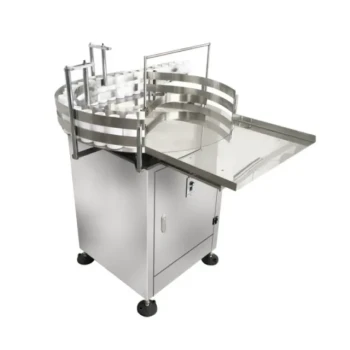
Automated Rotary Bottle Unscrambler for Honey Production Line
Item Number: HBU-1
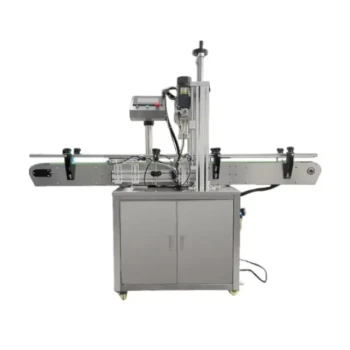
Automatic Inline Spindle Bottle Capping Machine for Honey Production
Item Number: BCM-3

HONESTBEE Premium Italian Style Hive Tool with Hardwood Handle
Item Number: HT-17
Why Choose Our Honey Spinners?
Our honey spinners are engineered with precision and care to meet the diverse needs of beekeepers. Whether you are a hobbyist or a commercial producer, our range of honey extractors offers unparalleled efficiency, durability, and ease of use.
Key Features
-
Electric Models: Our electric honey spinners, such as the Electric 8 Frame Honey Spinner and the Electric 48 Frame Radial Honey Spinner, are designed for high-capacity extraction. They feature robust stainless steel construction, ensuring longevity and resistance to corrosion. The electric models are perfect for those who require quick and efficient honey processing.
-
Manual Models: For those who prefer a more hands-on approach, our Manual 3 Frame Honey Extractor is an excellent choice. Made from durable acrylic and stainless steel, this model offers a gentle extraction process, preserving the integrity of your honeycomb.
-
Customizable Options: We understand that every beekeeper has unique needs. That’s why we offer customizable sizes and features to ensure our honey spinners meet your specific requirements.
How It Works
Honey extractors operate on the principle of centrifugal force. The process begins by decapping the honeycomb frames using a sharp knife. The frames are then placed in the extractor, which rotates at varying speeds. As the extractor spins, centrifugal force pulls the honey out of the comb, collecting it at the bottom of the drum. The honey is then filtered to remove any debris or wax particles, resulting in pure, high-quality honey.
Advantages of Using Our Honey Spinners
-
Efficiency: Our honey spinners are designed to maximize extraction efficiency, reducing the time and effort required to process honey.
-
Durability: Constructed from high-quality materials such as stainless steel, our extractors are built to last, even in demanding environments.
-
Versatility: With options ranging from small 3-frame extractors to large 48-frame models, our product line caters to beekeepers of all scales.
-
Consistency: Automated models ensure consistent extraction, maintaining the quality and flavor of your honey.
Customizable Services
We pride ourselves on offering customizable services to meet your specific needs. Whether you require a particular size, material, or feature, our team is here to help you find the perfect honey spinner for your operation.
Contact Us
Ready to enhance your honey extraction process? Contact us today to learn more about our honey spinners and how we can customize a solution for you. Simply fill out our #ContactForm and one of our experts will get in touch with you shortly. Let us help you achieve the highest quality honey production with our professional and reliable equipment.
FAQ
What Is A Honey Spinner Used For?
A honey spinner, also known as a honey extractor, is used in the artisanal honey industry to extract honey from honeycombs efficiently. It is ideal for beekeepers who focus on quality honey production and packaging.
What Are The Main Types Of Honey Spinners?
Honey spinners come in various types, including electric and manual models. Electric honey spinners, such as the 8-frame and 48-frame extractors, are designed for efficiency and durability, while manual honey spinners, like the 3-frame extractor, offer a gentle extraction process.
How Does A Honey Spinner Work?
A honey spinner works by using centrifugal force to extract honey from honeycombs. The frames containing honeycomb are placed inside a cylindrical drum and spun gently at first, gradually increasing speed. The honey is flung out of the comb and collected at the bottom or sides of the extractor. After extraction, the honey may be filtered to remove debris or wax particles.
What Are The Advantages Of Using A Honey Spinner?
Using a honey spinner offers several advantages, including precise and efficient honey extraction, increased productivity, and consistent quality. It also reduces labor costs and ensures a professional touch in the honey production process.
REQUEST A QUOTE
Our professional team will reply to you within one business day. Please feel free to contact us!
Related Articles
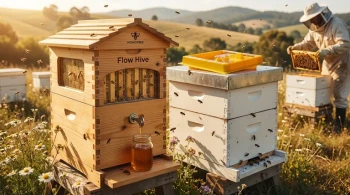
Flow vs. Langstroth Hives: Balancing Bee Welfare, Cost, and Productivity
Compare Flow vs. Langstroth hives for bee welfare, cost, and productivity. Choose the best beekeeping system for your needs.
Read more
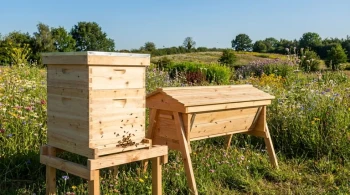
How to Choose Between Langstroth and Top Bar Hives for Your Beekeeping Goals
Compare Langstroth vs. Top Bar beehives for honey production, sustainability & ease of use. Choose the best hive for your beekeeping goals.
Read more
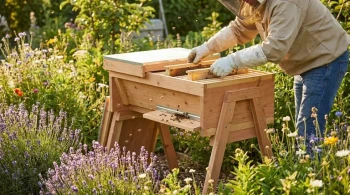
How Top Bar Hives Naturally Boost Bee Health and Simplify Beekeeping
Top bar hives promote natural bee health with comb freedom, thermal efficiency & sustainable harvesting. Ideal for low-maintenance backyard beekeeping.
Read more
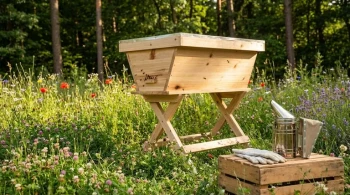
How Top Bar Hives Simplify Natural Beekeeping for Hobbyists
Top bar hives simplify natural beekeeping for hobbyists with cost-efficiency, healthier colonies, and low-maintenance care.
Read more
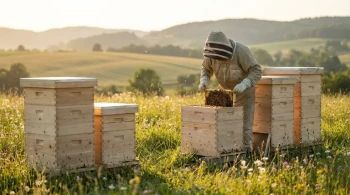
How Langstroth Hives Solve Universal Beekeeping Challenges Through Smart Design
Discover how Langstroth hives' smart design solves beekeeping challenges with standardized, adaptable components for urban and commercial beekeepers.
Read more
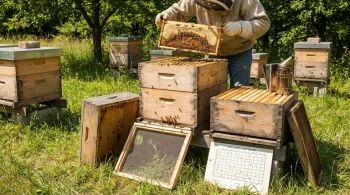
How the Langstroth Hive Solves Modern Beekeeping’s Biggest Challenges
Discover how the Langstroth hive tackles modern beekeeping challenges with pest control, efficiency, and high honey yields.
Read more
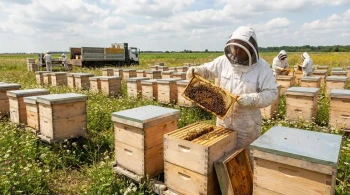
How Langstroth Hives Outperform Other Designs for Commercial Honey Production
Langstroth hives boost commercial honey yields by 40–100% with modular frames, swarm control, and efficient harvesting. Ideal for high-volume beekeeping.
Read more
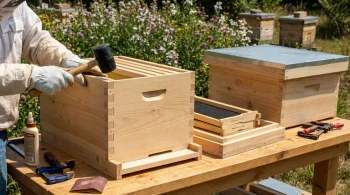
How to Assemble Wooden Beehives: A Beginner's Guide to Durable Joint Systems
Learn how to assemble durable wooden beehives with expert tips on joint systems, weatherproofing, and long-term maintenance for beginners.
Read more
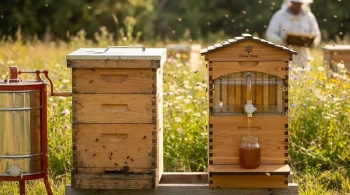
Flow Hive vs. Langstroth: When Does the Premium Price Deliver Real Savings?
Flow Hive vs. Langstroth: Cost analysis reveals when premium beekeeping systems deliver savings for hobbyists vs. commercial operations.
Read more
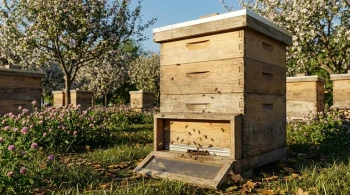
How Langstroth Hive Design Optimizes Bee Colony Growth and Honey Production
Learn how Langstroth hive design boosts bee colony growth, prevents swarming, and maximizes honey production through modular scalability.
Read more
Bee-Friendly Honey Harvesting: Maximizing Yield While Safeguarding Your Langstroth Hive
Learn bee-friendly honey harvesting techniques for Langstroth hives—maximize yield while safeguarding colony health with expert-approved methods.
Read more
How to Choose the Right Beehive: A Practical Guide for Every Beekeeper
Learn how to choose the right beehive—Langstroth, Top Bar, or Warre—based on your environment, goals, and budget for thriving beekeeping.
Read more
How Wooden Beehive Components Work Together for Optimal Honey Production
Learn how wooden beehive components like brood chambers, honey supers, and queen excluders optimize honey production for commercial beekeepers.
Read more
Mastering Seasonal Langstroth Hive Management: Timelines, Techniques, and Troubleshooting
Optimize Langstroth hive productivity year-round with seasonal management tips for brood boxes, honey supers, and swarm prevention.
Read more
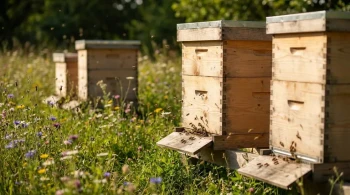
Why Wooden Beehives Outperform Modern Alternatives: A Science-Backed Guide for Beekeepers
Discover why wooden beehives outperform modern alternatives with superior insulation, breathability, and durability for thriving bee colonies.
Read more
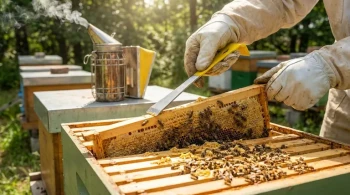
The Beekeeper’s Guide to Hive Tools: How to Choose and Use Them for Efficient Apiary Management
Learn how to choose and use hive tools for efficient beekeeping. Discover material, design, and maintenance tips for smooth apiary management.
Read more
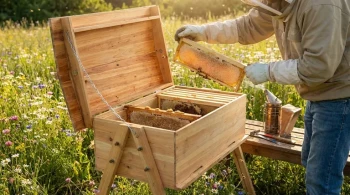
How to Optimize Honey Storage in Top Bar Hives for Healthier Colonies
Learn how to optimize honey storage in top bar hives for healthier bee colonies with strategic comb placement and seasonal adjustments.
Read more
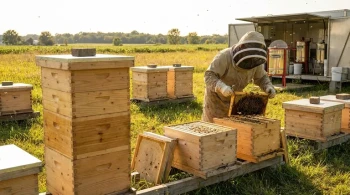
How the Langstroth Hive Solves Beekeeping Challenges for Hobbyists and Professionals
Discover how the Langstroth hive enhances beekeeping efficiency for hobbyists and professionals with its scalable, standardized design.
Read more
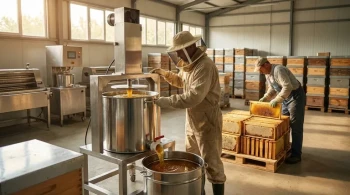
Scaling Honey Production: Industrial Pressing vs Traditional Extraction for Commercial Apiaries
Compare industrial honey presses vs traditional extraction for commercial apiaries. Boost efficiency, reduce labor costs, and maintain quality at scale.
Read more
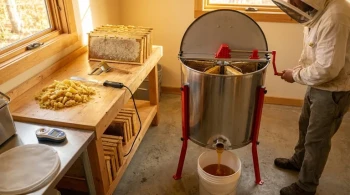
How to Optimize Honey Extraction Without Compromising Quality
Learn field-tested honey extraction methods to maximize yield while preserving quality, from uncapping tools to filtration and bottling.
Read more