Galvanized iron wire is the standard choice for mounting stingless bee traps because it provides the necessary structural integrity to withstand harsh outdoor conditions. Its primary role is to create a rigid, permanent bond between the trap and its support, preventing movement that could lead to colony failure.
Success in stingless beekeeping relies on hive stability; galvanized iron wire provides the specific combination of tensile strength and corrosion resistance needed to hold traps secure during storms, preventing the vibrations that cause colonies to abandon the hive.
The Engineering Behind the Choice
Combating Environmental Corrosion
Galvanized iron wire is utilized specifically for its resistance to rust. Outdoor environments expose mounting hardware to constant humidity and rain.
Without the protective zinc coating found on galvanized wire, standard iron would corrode quickly. This ensures the mount remains secure for the duration of the trapping season without weakening.
Ensuring Mechanical Stability
The material is chosen for its high tensile strength. This property allows the beekeeper to tighten the binding significantly without the wire snapping.
A high-tension bind is critical to firmly attach the trap to tree trunks or supports. It ensures the trap acts as an extension of the tree rather than a loose appendage.
Protecting the Colony
Preventing Vibration and Movement
Stingless bees are highly sensitive to their environment. Galvanized wire prevents the trap from shaking in complex environments characterized by high winds.
If a trap vibrates or shifts constantly, the bees may perceive the location as unsafe. Eliminating this movement is key to preventing colony desertion.
Avoiding Catastrophic Failure
The security provided by the wire prevents the trap from falling. Heavy rain or physical impacts can easily dislodge weaker bindings.
A fall usually results in physical damage to the hive structure. By using high-strength wire, you mitigate the risk of losing the colony entirely due to mounting failure.
Understanding the Trade-offs
Rigidity vs. Adjustability
The high tensile strength that secures the trap also makes the wire stiff. Unlike rope or plastic ties, galvanized wire can be difficult to adjust once tightened.
You must ensure the positioning is correct on the first attempt. Re-tightening or moving the trap requires tools and physical effort.
Risk of Overtightening
Because the wire is designed to bind firmly to tree trunks, there is a risk of damaging the host tree.
The wire does not stretch. As the tree grows, or if the wire is applied with excessive force, it can cut into the bark, potentially damaging the support structure over time.
Ensuring Successful Trap Deployment
To get the most out of your stingless bee traps, match your installation method to your specific environmental risks.
- If your primary focus is long-term durability: Use a heavy-gauge galvanized wire to ensure the mount survives prolonged exposure to rain without rusting through.
- If your primary focus is colony retention: Prioritize tightening the wire to the point of immobility to prevent wind-induced vibrations that scare off scout bees.
The stability of your trap is directly proportional to the likelihood of a successful capture.
Summary Table:
| Key Feature | Functional Benefit | Impact on Colony Success |
|---|---|---|
| Zinc Coating | Resists rust and environmental corrosion | Ensures mount longevity during rainy seasons |
| Tensile Strength | Provides a rigid, high-tension bond | Prevents vibrations that cause colony desertion |
| Mechanical Rigidity | Eliminates movement and shifting | Mitigates risk of catastrophic falls and hive damage |
| Durability | Long-lasting structural integrity | Reduces maintenance needs for remote trap locations |
Scale Your Commercial Apiary with HONESTBEE
At HONESTBEE, we empower commercial apiaries and distributors with a comprehensive wholesale portfolio designed for professional success. From industrial-grade hardware like hive-making and honey-filling machines to a full spectrum of beekeeping tools and industry consumables, we provide the reliable equipment you need to manage your colonies at scale.
Partner with the industry experts. Contact us today to explore our wholesale catalog and discover how our specialized machinery and honey-themed merchandise can drive your business forward.
References
- Amala Udayakumar, Timalapur M. Shivalingaswamy. Coconut shell traps: easiest and economic way to attract stingless bees (Tetragonula iridipennis) Smith. DOI: 10.13102/sociobiology.v68i4.7220
This article is also based on technical information from HonestBee Knowledge Base .
Related Products
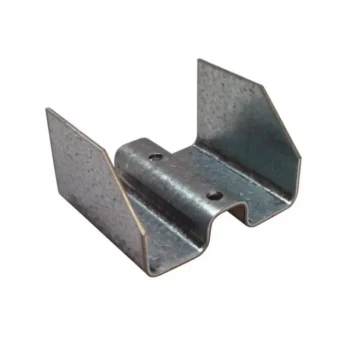
- Heavy-Duty Galvanized Steel W-Style Pallet Clip
- Professional Galvanized Steel Frame Rest for Beehives
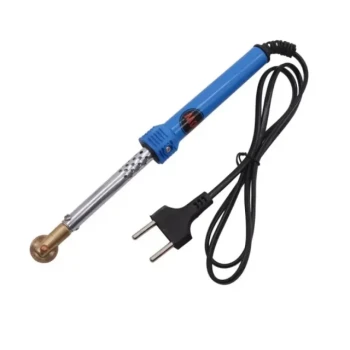
- HONESTBEE Soldering Iron Style Spur Wheel Wire Embedder
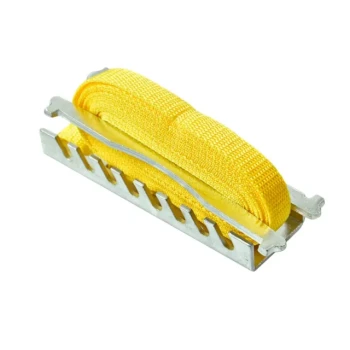
- Professional Galvanized Hive Strap with Secure Locking Buckle for Beekeeping
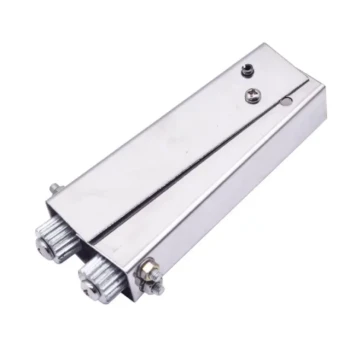
- HONESTBEE Heavy Duty All Metal Frame Wire Crimper Tool
People Also Ask
- How do migratory beekeepers transport their hives? A Guide to Nocturnal, Large-Scale Bee Movement
- How is the metal clip of a beehive connector attached? Simple Fastening Guide for Secure Hives
- How does a four-colony pallet function within migratory beekeeping? Scale Your Apiary with Industrial Logistics
- How do industrial four-way migratory pallets improve efficiency? Mechanized Apiary Management and Logistics
- How is the metal clip attached to the attachment? A Guide to Secure Mechanical Fastening