Queen cages are essential tools for beekeepers, designed to safely transport, mark, and introduce queen bees into hives. Our collection includes a variety of durable and lightweight plastic cages, such as the Plastic Queen Bee Cage for secure transport, the Queen Bee Catcher Plastic Bee Marker Bottle for precise marking, and the JZBZ Style Queen Cage for smooth hive integration. These tools are crafted to ensure the safety and efficiency of your beekeeping operations, making them indispensable for both novice and experienced beekeepers.
Toggle Categories
Get Instant Support
Choose your preferred way to connect with our team
-
Get Free Quote Fill out form for detailed pricing
-
Send Email Detailed inquiry support
-
WhatsApp Quick mobile chat
Response Time
Within 8 hours on working days, 24 hours on holidays
queen cage

Plastic Queen Bee Catcher Marker Tube Holder for Queen Marking Bottle
Item Number: MT-7


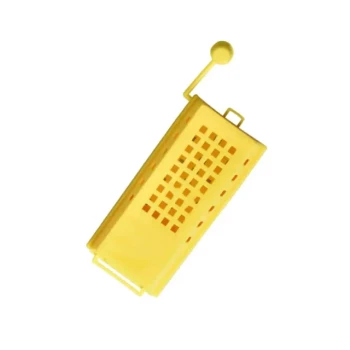
Professional Queen Cage with Sliding Gate and Feeder Plug
Item Number: QC-5
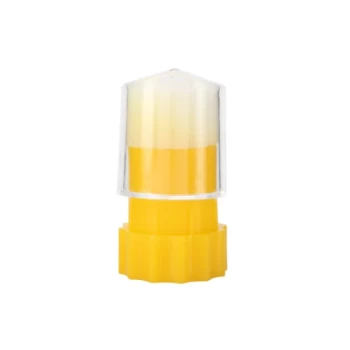
Queen Bee Catcher Plastic Bee Marker Bottle with Piston Marking Tube
Item Number: MT-5


Plastic Queen Marking Tube Cage with Plunger for Beekeeping
Item Number: MT-1
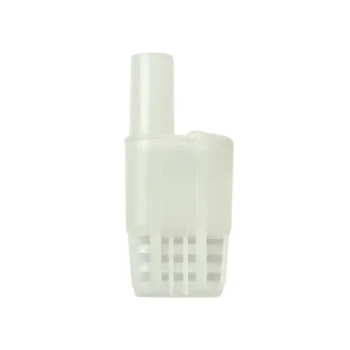
Multi-Function Queen Roller Cage and Catcher
Item Number: QC-13

Professional Spring-Action Queen Catcher Clip
Item Number: QC-6
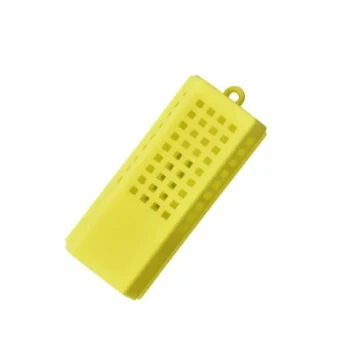
Professional Multi-Compartment Queen Cage with Sliding Lid
Item Number: QC-4


Professional Honey Filter with Tripod Support Stand
Item Number: HS-3S
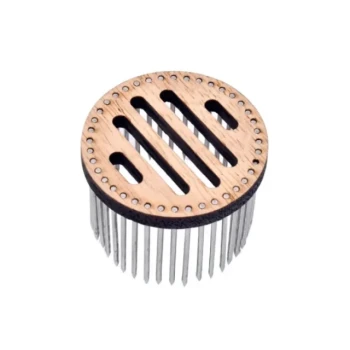
Premium Wood and Steel Push In Queen Cage
Item Number: QC-11
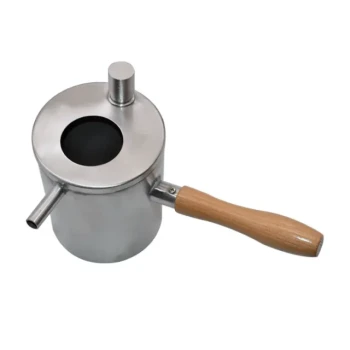
Professional Stainless Steel Wax Melter for Beekeeping and Crafts
Item Number: BWM-5

HONESTBEE Premium Italian Style Hive Tool with Hardwood Handle
Item Number: HT-17
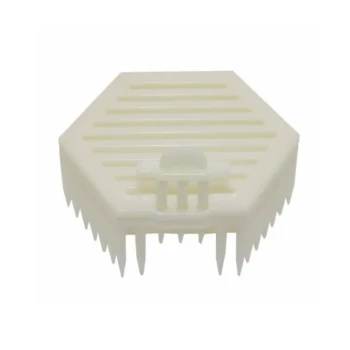
Hexagonal Direct Comb Introduction Queen Bee Cage
Item Number: QC-17

Adjustable Formic and Acetic Acid Dispenser for Bee Mite Treatment
Item Number: MDV-1
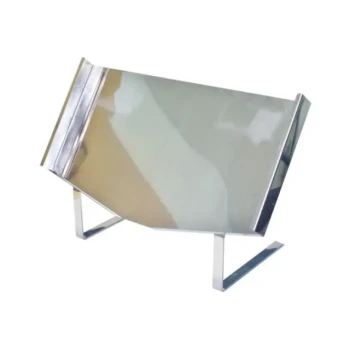
Minimalist Stainless Steel Honeycomb Display Stand
Item Number: HCS-2
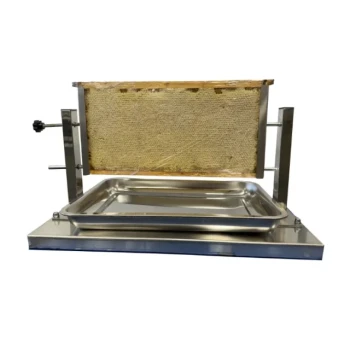
Professional Adjustable Stainless Steel Honeycomb Display Stand
Item Number: HCS-1
Why Choose Our Queen Cages?
Our queen cages are meticulously designed to meet the needs of modern beekeepers, offering a range of features that ensure the safety, efficiency, and ease of use. Here’s what makes our products stand out:
Key Features:
-
Durable and Lightweight Construction: Made from high-quality plastic, our cages are built to last while being easy to handle. The lightweight design ensures minimal stress during transport.
-
Ventilation and Feeding: Each cage features grid openings that allow for proper ventilation and enable the queen and worker bees to be fed honey and water during transit. This ensures the bees remain healthy and hydrated.
-
Safe Release Mechanism: Many of our cages include a hinged top for direct release of the queen and a tube for adding sugar candy or marshmallows. This allows worker bees to gradually release the queen, reducing the risk of rejection.
-
Precision Marking Tools: Our queen marking tubes and cages are designed for safe and precise identification of queen bees. Clear plastic and soft foam plungers ensure humane handling and easy visibility.
-
Customizable Options: We offer a variety of designs, including handheld marking cages and push-in cages, to suit different beekeeping needs. Whether you’re transporting a queen or marking her for identification, we have the right tool for you.
How It Works:
Queen cages are small containers designed to hold and transport the queen bee along with a few attendant worker bees. They are used when the queen is being moved from one location to another. The cages provide a controlled environment, allowing the queen to be safely introduced into a new hive without the risk of rejection or harm.
For marking, our push-in cages immobilize the queen gently between a screen and the comb, enabling you to mark her with precision. This method is quick, efficient, and minimizes stress on the queen.
Benefits of Using Queen Cages:
- High Acceptance Rate: Introducing the queen with her own brood and eggs, along with her nurse bees, creates a familiar environment that increases the likelihood of acceptance.
- Efficient Hive Management: Our tools simplify the process of queen introduction and marking, saving you time and effort.
- Enhanced Visibility: Clear plastic designs and one-handed operation ensure better visibility and ease of use.
- Versatility: Our cages are compatible with various hive types, including mating nucs, making them a versatile addition to your beekeeping toolkit.
Customizable Solutions:
We understand that every beekeeper’s needs are unique. That’s why we offer customizable queen cages tailored to your specific requirements. Whether you need a cage for transport, marking, or hive integration, we can design a solution that fits your needs.
Why Trust Us?
With years of experience in the beekeeping industry, we are committed to providing high-quality, reliable products that meet the highest standards. Our cages are tested and trusted by beekeepers worldwide, ensuring you get the best tools for your hive management.
Ready to Elevate Your Beekeeping Experience?
Explore our full range of queen cages and find the perfect tool for your needs. Have questions or need a custom solution? Contact us today to discuss your requirements. Our team of experts is here to help you succeed in your beekeeping journey!
FAQ
What Is A Queen Cage Used For?
A queen cage is a small container designed to hold and transport the queen bee along with a few attendant worker bees. It is primarily used when the queen is being moved from one location to another, ensuring her safety and proper introduction into a new hive.
What Are The Main Features Of A Plastic Queen Cage?
Plastic queen cages typically have grid openings to allow the queen and worker bees to be fed honey and water during transit. They also include a small round opening for adding or subtracting bees, a hinged top for direct release of the queen, and a tube for adding sugar candy or marshmallows to allow worker bees to release the queen.
How Does A Queen Cage Work?
A queen cage works by securely containing the queen bee and a few attendant worker bees during transport. It provides ventilation and sometimes includes a mechanism, such as sugar candy or marshmallows, that allows worker bees to gradually release the queen once she is introduced to a new hive. This helps ensure a smooth transition and acceptance by the new colony.
What Are The Advantages Of Using A Queen Cage?
Using a queen cage offers several advantages, including a high acceptance rate for the queen when introduced to a new hive. It allows the queen to be transported safely and introduced with her own brood and eggs, along with her own nurse bees, creating a familiar and supportive environment. Additionally, it simplifies the process of queen introduction and reduces the risk of rejection by the colony.
What Types Of Queen Cages Are Available?
There are various types of queen cages available, including plastic queen cages with grid openings, push-in queen marking cages, and handheld queen marking cages. Each type is designed for specific purposes, such as transport, marking, or introduction, and offers features like ventilation, ease of use, and precise handling.
REQUEST A QUOTE
Our professional team will reply to you within one business day. Please feel free to contact us!
Related Articles
How Wooden Beehives Naturally Regulate Temperature for Healthier Honeybee Colonies
Discover how wooden beehives naturally regulate temperature for healthier honeybee colonies, improving survival rates and honey production.
Read more
Flow Hive vs. Langstroth: Choosing the Right Hive for Your Beekeeping Goals
Compare Flow Hive vs. Langstroth beehives: efficiency, cost, and maintenance differences to choose the best system for your beekeeping goals.
Read more
Flow vs. Langstroth Hives: Balancing Bee Welfare, Cost, and Productivity
Compare Flow vs. Langstroth hives for bee welfare, cost, and productivity. Choose the best beekeeping system for your needs.
Read more
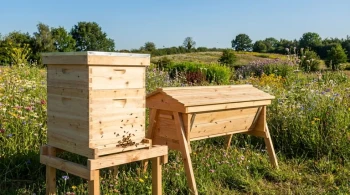
How to Choose Between Langstroth and Top Bar Hives for Your Beekeeping Goals
Compare Langstroth vs. Top Bar beehives for honey production, sustainability & ease of use. Choose the best hive for your beekeeping goals.
Read more
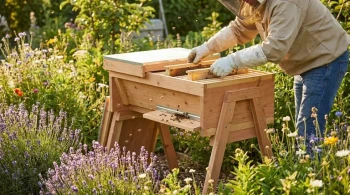
How Top Bar Hives Naturally Boost Bee Health and Simplify Beekeeping
Top bar hives promote natural bee health with comb freedom, thermal efficiency & sustainable harvesting. Ideal for low-maintenance backyard beekeeping.
Read more
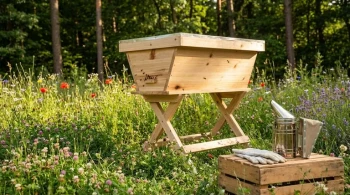
How Top Bar Hives Simplify Natural Beekeeping for Hobbyists
Top bar hives simplify natural beekeeping for hobbyists with cost-efficiency, healthier colonies, and low-maintenance care.
Read more
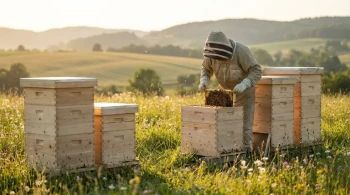
How Langstroth Hives Solve Universal Beekeeping Challenges Through Smart Design
Discover how Langstroth hives' smart design solves beekeeping challenges with standardized, adaptable components for urban and commercial beekeepers.
Read more
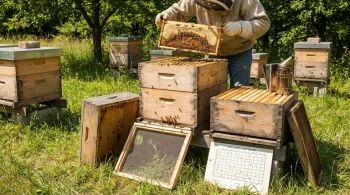
How the Langstroth Hive Solves Modern Beekeeping’s Biggest Challenges
Discover how the Langstroth hive tackles modern beekeeping challenges with pest control, efficiency, and high honey yields.
Read more
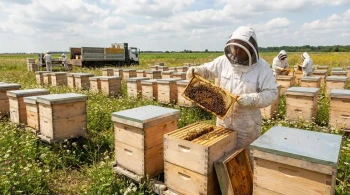
How Langstroth Hives Outperform Other Designs for Commercial Honey Production
Langstroth hives boost commercial honey yields by 40–100% with modular frames, swarm control, and efficient harvesting. Ideal for high-volume beekeeping.
Read more
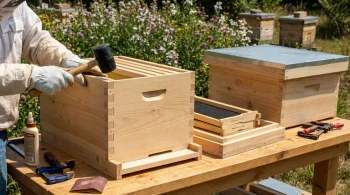
How to Assemble Wooden Beehives: A Beginner's Guide to Durable Joint Systems
Learn how to assemble durable wooden beehives with expert tips on joint systems, weatherproofing, and long-term maintenance for beginners.
Read more
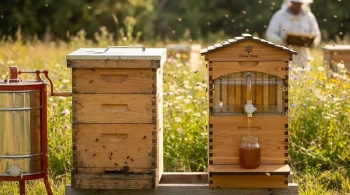
Flow Hive vs. Langstroth: When Does the Premium Price Deliver Real Savings?
Flow Hive vs. Langstroth: Cost analysis reveals when premium beekeeping systems deliver savings for hobbyists vs. commercial operations.
Read more
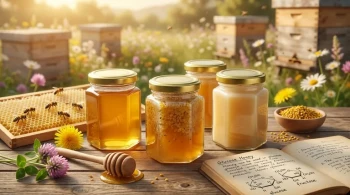
Why Honey Crystallizes Differently—And How to Manage It Naturally
Learn why honey crystallizes differently based on sugar composition and floral source, plus natural storage and decrystallization tips.
Read more
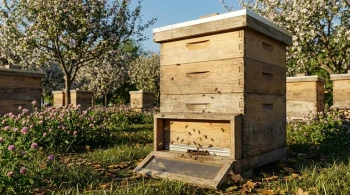
How Langstroth Hive Design Optimizes Bee Colony Growth and Honey Production
Learn how Langstroth hive design boosts bee colony growth, prevents swarming, and maximizes honey production through modular scalability.
Read more
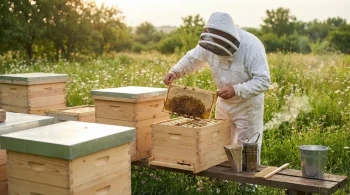
Bee-Friendly Honey Harvesting: Maximizing Yield While Safeguarding Your Langstroth Hive
Learn bee-friendly honey harvesting techniques for Langstroth hives—maximize yield while safeguarding colony health with expert-approved methods.
Read more
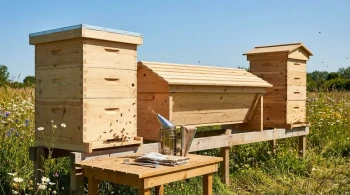
How to Choose the Right Beehive: A Practical Guide for Every Beekeeper
Learn how to choose the right beehive—Langstroth, Top Bar, or Warre—based on your environment, goals, and budget for thriving beekeeping.
Read more
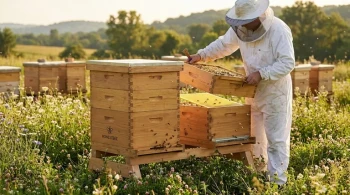
How Wooden Beehive Components Work Together for Optimal Honey Production
Learn how wooden beehive components like brood chambers, honey supers, and queen excluders optimize honey production for commercial beekeepers.
Read more
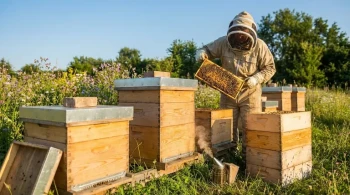
Mastering Seasonal Langstroth Hive Management: Timelines, Techniques, and Troubleshooting
Optimize Langstroth hive productivity year-round with seasonal management tips for brood boxes, honey supers, and swarm prevention.
Read more
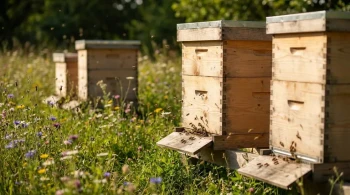
Why Wooden Beehives Outperform Modern Alternatives: A Science-Backed Guide for Beekeepers
Discover why wooden beehives outperform modern alternatives with superior insulation, breathability, and durability for thriving bee colonies.
Read more
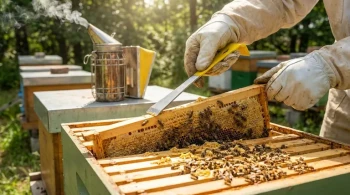
The Beekeeper’s Guide to Hive Tools: How to Choose and Use Them for Efficient Apiary Management
Learn how to choose and use hive tools for efficient beekeeping. Discover material, design, and maintenance tips for smooth apiary management.
Read more
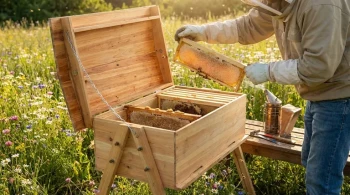
How to Optimize Honey Storage in Top Bar Hives for Healthier Colonies
Learn how to optimize honey storage in top bar hives for healthier bee colonies with strategic comb placement and seasonal adjustments.
Read more