Spilling sugar syrup poses an immediate threat to your apiary by attracting pests and inciting aggressive robbing behavior. When syrup is left exposed on the ground or the exterior of the hive, it acts as a beacon for predators and stronger bee colonies. This can lead to violent resource theft that weakens your hive and compromises its security.
Maintaining a pristine feeding environment is a fundamental security measure for your apiary. Spilled feed bypasses the colony's defenses, inviting competition and predation that can overwhelm a hive's ability to protect itself.
The Consequences of Poor Hive Hygiene
Triggering Robbing Behavior
The most severe risk of spilling syrup is "robbing." This occurs when bees from other colonies detect the easy sugar source and attack your hive to steal resources.
Once a robbing frenzy begins, it is difficult to stop. The attacking bees can kill the guard bees and deplete the hive's entire food reserve, potentially destroying the colony.
Attracting External Pests
Spilled syrup signals a free meal to pests other than bees. Ants, wasps, and yellow jackets are quickly drawn to the scent of sugar.
These pests add significant stress to the colony. Your bees are forced to divert energy from foraging and brood rearing to defend against these invaders.
Best Practices for Safe Feeding
Using Contained Delivery Systems
To prevent starvation without risking spills, use accessible hive feeders or specialized jars with small holes. These devices allow bees to access the feed internally without exposing the syrup to the outside environment.
Proper Preparation of Syrup
For spring feeding, use a 1:1 ratio of sugar to water (one pound of each). Use very hot water to ensure the sugar dissolves completely.
Properly dissolved syrup prevents sediment buildup and ensures the bees can consume the liquid efficiently, reducing the likelihood of waste or mess during the refilling process.
Common Pitfalls to Avoid
Contaminating the Harvest
While avoiding spills preserves hive security, knowing when to feed preserves your product quality. Never feed syrup when honey supers are on the hive.
Feeding during the harvest period results in "funny honey"—a diluted mixture of sugar syrup and nectar. This adulterates your product, resulting in something that is not pure honey.
Feeding in Incompatible Weather
Avoid feeding liquid sugar syrup during cold weather when bees cannot take cleansing flights. If the bees cannot fly to relieve themselves, liquid feed can cause dysentery and hive spoilage.
If the temperature is too low for flight, switch to winter patties. These provide necessary carbohydrates without introducing the moisture and spill risks associated with liquid syrup.
Making the Right Choice for Your Goal
Effective beekeeping requires balancing nutritional support with strict hygiene and timing.
- If your primary focus is Colony Security: Prioritize the use of internal feeders and clean up any drops immediately to prevent robbing events.
- If your primary focus is Honey Production: Cease all supplemental feeding the moment you install honey supers to ensure the purity of your harvest.
- If your primary focus is Overwintering: Monitor temperature closely and switch from liquid syrup to solid patties as soon as flight weather ends.
Clean feeding practices are the first line of defense in maintaining a calm, healthy, and productive apiary.
Summary Table:
| Potential Risk | Impact on Colony | Recommended Prevention Strategy |
|---|---|---|
| Robbing Behavior | Violent attacks and theft of food reserves | Use internal feeders and clean spills immediately |
| Pest Attraction | Stress from ants, wasps, and yellow jackets | Maintain hive hygiene and use contained delivery systems |
| Product Adulteration | Creation of "funny honey" (not pure) | Stop feeding syrup when honey supers are installed |
| Hive Dysentery | Spoilage and disease in cold weather | Switch from liquid syrup to winter patties in winter |
Secure Your Apiary’s Future with HONESTBEE
Protecting your hives from robbing and pests starts with the right equipment. HONESTBEE provides commercial apiaries and distributors with the high-quality tools needed to maintain a pristine and productive environment. From spill-proof internal feeders and advanced hive-making machinery to professional honey-filling systems, our comprehensive wholesale range supports every stage of your operation.
Whether you are scaling your honey production or stocking essential consumables, we deliver the specialized hardware and cultural merchandise you need to succeed. Contact us today to discover how our tailored equipment solutions can enhance your efficiency and safeguard your colonies.
Related Products
- HONESTBEE Round Hive Top Bee Feeder for Syrup
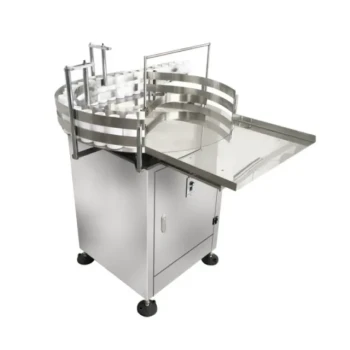
- Automated Rotary Bottle Unscrambler for Honey Production Line
- HONESTBEE Professional Hive Top Bee Feeder Feeding Solution
- HONESTBEE Entrance Bee Feeder Efficient Hive Front Liquid Feeding Solution for Beekeeping
- Professional Hive Top Bee Feeder for Beekeeping
People Also Ask
- What can the round hive top feeder be used for? A Guide to Efficient, Safe Bee Feeding
- What types of hive boxes is the round hive top feeder compatible with? Universal Fit for 8 & 10-Frame Langstroth Hives
- What is the capacity of the round hive top feeder for syrup and pollen? A Guide to Targeted Apiary Support
- What types of feed can be used with the round hive top feeder? Versatile Feeding for Optimal Apiary Health
- How do you use a top feeder for bees? Expert Guide to Installation and High-Volume Hive Feeding