Maintaining a sterile feeding environment is essential for colony survival. Avoiding syrup spills is not merely about tidiness; it is a critical defensive measure. Spilled syrup acts as a powerful attractant that draws predators and competitors to your apiary, compromising the safety of the hive.
Spilled syrup disrupts the defensive security of the hive. It triggers two specific dangers: the attraction of destructive pests and the incitement of "robbing," where foreign bees attack to steal resources.
The Mechanics of the Threat
When you spill syrup, you inadvertently create a "free lunch" signal that extends far beyond your intended colony. This external food source creates competition that can quickly escalate into violence or infestation.
Triggering Robbing Behavior
Robbing is the most immediate danger of a spill.
When foreign foragers discover easily accessible syrup outside a hive, they return to their own colonies to recruit others. This leads to a frenzy where strong colonies attack weaker ones to steal their stores.
Once robbing begins, it is incredibly difficult to stop. The attacking bees can overwhelm the guard bees of your hive, leading to massive bee fatalities and the potential total loss of the colony’s resources.
Attracting External Pests
Spills serve as a beacon for non-bee predators.
Sugar syrup is highly attractive to ants, wasps, and other opportunistic insects. A spill near the hive entrance essentially lays a trail that leads these pests directly into the colony.
Once pests establish a presence due to a spill, they will often attempt to enter the hive to raid brood or honey stores, placing significant stress on the colony's defense systems.
Common Feeding Pitfalls to Avoid
While preventing spills is critical, it is just one part of responsible feeding. You must also consider when to feed to ensure the integrity of your harvest.
Contaminating the Harvest
Never feed syrup when honey supers are present.
As noted in standard beekeeping guidelines, feeding while collecting honey leads to "funny honey." This occurs when bees store sugar syrup in the frames intended for pure honey.
This results in an adulterated product that is a mixture of sugar and nectar, rather than the pure honey you are aiming to harvest.
Feeding During Nectar Flows
Avoid feeding when natural resources are abundant.
If the hive's reserves are visibly increasing from natural nectar, supplemental feeding is unnecessary. Overfeeding during a strong nectar flow can congest the brood nest, leaving the queen with no room to lay eggs.
Making the Right Choice for Your Colony
To manage your apiary effectively, you must balance nutritional support with strict hygiene and timing.
- If your primary focus is Hive Security: Eliminate all syrup spills immediately to prevent robbing frenzies and pest infestations.
- If your primary focus is Honey Quality: Stop all feeding the moment you place honey supers on the hive to prevent sugar syrup contamination.
Diligence during feeding preserves both the safety of your bees and the purity of your honey.
Summary Table:
| Potential Risk | Impact on Colony | Prevention Strategy |
|---|---|---|
| Robbing Behavior | Triggers attacks from foreign bees; leads to colony loss. | Wipe away spills and use internal feeders. |
| Pest Infestation | Attracts ants and wasps directly into the hive entrance. | Maintain a sterile feeding environment. |
| Honey Contamination | Produces "funny honey" (sugar/nectar mixture). | Stop feeding when honey supers are present. |
| Brood Congestion | Reduces the queen's space for laying eggs. | Avoid feeding during strong natural nectar flows. |
Secure Your Apiary with HONESTBEE Professional Solutions
Protecting your colony from robbing and pests requires more than just careful feeding—it requires the right equipment. HONESTBEE provides commercial apiaries and distributors with premium, leak-resistant feeding systems and specialized beekeeping machinery designed to maintain hive security.
Whether you need precision honey-filling machines, durable hive-making hardware, or bulk wholesale consumables, our comprehensive portfolio ensures your operation runs efficiently and stays profitable. Let us help you elevate your honey production and safeguard your bees.
Ready to scale your commercial beekeeping? Contact us today to explore our full catalog!
Related Products
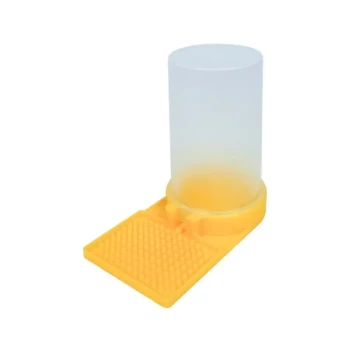
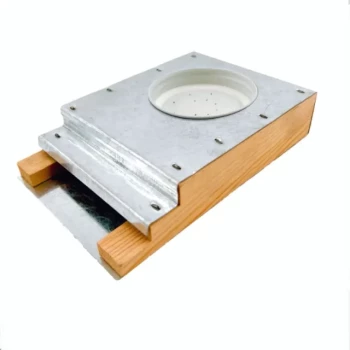
- HONESTBEE Round Hive Top Bee Feeder for Syrup
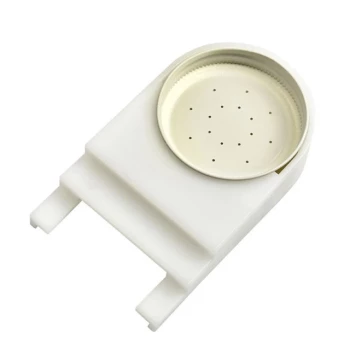
- Rapid Bee Feeder White Plastic 2L Round Top Feeder for 8 or 10-Frame Bee Hives
- HONESTBEE Entrance Bee Feeder Efficient Hive Front Liquid Feeding Solution for Beekeeping
- White Plastic 0.5L Beekeeping Entrance Feeder for Bees
- HONESTBEE Entrance Bee Feeder Professional Hive Nutrition Solution for Beekeeping
People Also Ask
- What can the round hive top feeder be used for? A Guide to Efficient, Safe Bee Feeding
- What types of hive boxes is the round hive top feeder compatible with? Universal Fit for 8 & 10-Frame Langstroth Hives
- What is the capacity of the round hive top feeder for syrup and pollen? A Guide to Targeted Apiary Support
- What types of feed can be used with the round hive top feeder? Versatile Feeding for Optimal Apiary Health
- How do you use a top feeder for bees? Expert Guide to Installation and High-Volume Hive Feeding