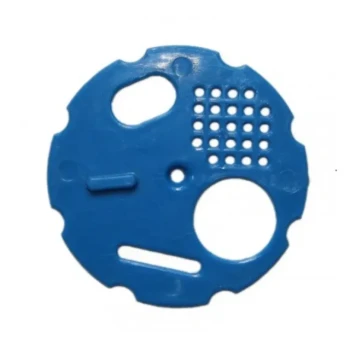
The specific 16 mm entrance diameter is a critical design standard engineered to match the biological requirements of the Heterotrigona itama stingless bee. This precise dimension optimizes the flow of traffic for large numbers of foraging workers while ensuring the colony can physically manage the opening to defend against predators and regulate internal pressure.
The 16 mm specification represents the ideal compromise between logistical efficiency and colony security, allowing the bees to maximize resource gathering without compromising their ability to seal the hive against environmental threats.
Optimizing for Biological Efficiency
Facilitating High-Volume Traffic
The primary function of the 16 mm opening is to accommodate the body size of the Heterotrigona itama worker bees.
This specific width allows multiple bees to enter and exit simultaneously without creating a bottleneck.
Efficient movement is vital during peak foraging hours, ensuring that resources like pollen and nectar are stored rapidly.
Enabling Natural Defense Mechanisms
The entrance size is directly calibrated to the colony's defensive habits.
While the hole is large enough for traffic, it is small enough for the bees to modify quickly.
Bees utilize resin and wax to narrow or seal the entrance, a natural behavior used to physically block intruders.
Security and Environmental Control
Maintaining Internal Pressure
Beyond physical security, the entrance size plays a role in the hive's atmospheric regulation.
A 16 mm opening allows the colony to maintain necessary internal hive pressure.
If the opening were too large, the colony would expend excessive energy trying to regulate airflow and temperature.
Deterring Intruders
The specific diameter acts as a first line of defense against pests.
By restricting the size of the entry, the colony can more easily guard against opportunistic predators that might attempt to enter the main cavity.
This makes the colony less vulnerable to direct invasion through the "front door."
Understanding the Trade-offs and Limitations
The Risks of Incorrect Sizing
It is critical not to deviate significantly from the 16 mm standard.
An entrance that is too small will restrict foraging, reducing the honey and pollen intake required for colony growth.
Conversely, an entrance that is too large overwhelms the bees' ability to seal it with resin, leaving the hive susceptible to drafts and predators.
The Entrance is Not a Complete Shield
While the 16 mm entrance protects the internal cavity, it cannot protect the hive from all terrestrial threats.
Ground-based predators such as ants, termites, toads, and lizards can still access the exterior of the hive.
Therefore, the entrance design must be paired with external defensive measures, specifically elevated support structures, to isolate the hive from the ground.
Designing for Colony Success
To ensure the survival and productivity of your Heterotrigona itama colony, you must view the hive design holistically.
- If your primary focus is Foraging Efficiency: Adhere strictly to the 16 mm diameter to prevent bottlenecks during peak resource gathering times.
- If your primary focus is Predator Prevention: Complement the 16 mm entrance with an elevated stand to create a physical barrier against ground-based attacks.
Precision in hive construction is not just about carpentry; it is about mimicking the natural conditions required for a complex biological system to thrive.
Summary Table:
| Feature | 16 mm Design Impact | Benefit to Colony |
|---|---|---|
| Traffic Flow | Prevents bottlenecks | Maximizes nectar/pollen gathering |
| Defense | Optimized for resin sealing | Blocks intruders and predators |
| Climate | Regulates airflow | Maintains internal pressure/temp |
| Sizing Risk | Precise diameter | Avoids energy waste from over-sealing |
Maximize Your Colony Productivity with HONESTBEE
At HONESTBEE, we understand that precision in beekeeping equipment is the difference between a thriving apiary and a struggling one. Whether you are a commercial apiary or a distributor, we provide the high-quality hive-making machinery, specialized beekeeping tools, and essential consumables needed to meet the strict biological requirements of species like Heterotrigona itama.
From honey-filling machines to honey-themed cultural merchandise, our wholesale offerings support every stage of your business. Contact us today to learn how our professional-grade equipment can enhance your operation's efficiency and yield.
References
- Mohamad Syukri Tan Shilan, Siti Asma’ Samsudin. Investigation of the Best Artificial Propagation Technique for Stingless Bee Heterotrigona itama (Hymenoptera: Apidae: Meliponini). DOI: 10.47836/pjtas.45.2.02
This article is also based on technical information from HonestBee Knowledge Base .
Related Products
- Multi-Functional Sliding Hive Entrance for Beekeeping
- Beehive Entrance Discs Plastic Bee Entrance Disc for Bee Hives
- HONESTBEE Entrance Bee Feeder Professional Hive Nutrition Solution for Beekeeping
- Professional Reversible Beehive Hive Entrance
- Multi-Functional Rotary Hive Entrance Disc for Beekeeping
People Also Ask
- What roles does the hive entrance (piquera) play in beehive management and colony health? Essential Guide for Pro Apiaries
- Where is the hive entrance typically located? Optimize Your Hive's Health and Honey Production
- What role does the size of the entrance play in hive ventilation? Master Beehive Climate Control
- What is the best entrance for a bee hive? Maximize Colony Health & Honey Production
- What happens if you block the entrance to a bee hive? Avoid This Dangerous Mistake