Bee brushes are essential tools for beekeepers, designed to gently move bees during hive inspections, honey harvesting, and maintenance. Our collection includes a variety of brushes tailored to meet the needs of both amateur and professional beekeepers. From the Plastic Handle Single Row Bee Brush with its soft bristles and ergonomic design, to the Beekeeping Brush with Pig Bristles and Wooden Handle known for its durability and ease of cleaning, each product is crafted to ensure the safety and comfort of both bees and beekeepers. The Double-Row Horse Tail Hair Bee Hive Brush offers a double-row design for efficient brushing, while the Double Row Artificial Fiber Bee Brush combines durability with an ergonomic wooden handle. These tools are indispensable for maintaining healthy hives and ensuring smooth beekeeping operations.
Toggle Categories
Get Instant Support
Choose your preferred way to connect with our team
-
Get Free Quote Fill out form for detailed pricing
-
Send Email Detailed inquiry support
-
WhatsApp Quick mobile chat
Response Time
Within 8 hours on working days, 24 hours on holidays
bee brush
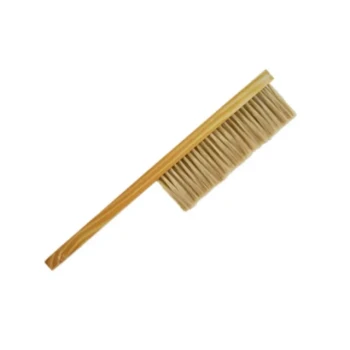
Double Row Artificial Fiber Bee Brush for Beekeeping
Item Number: BB-4
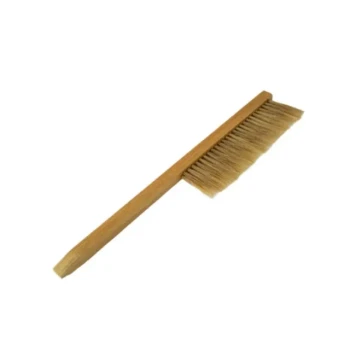
Classic Wooden Bee Brush with Double-Row Boar Bristles
Item Number: BB-6
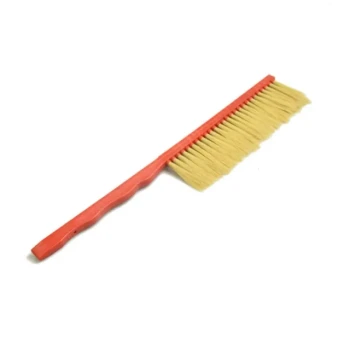
Plastic Handle Single Row Artificial Fiber Bee Brush
Item Number: BB-1
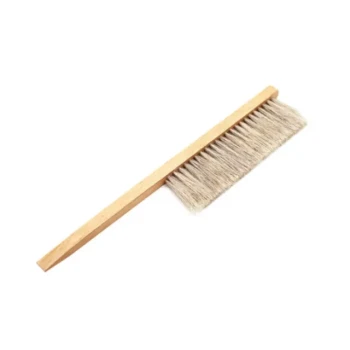
Wooden Bee Brush with Double-Row Horsehair Bristles
Item Number: BB-5
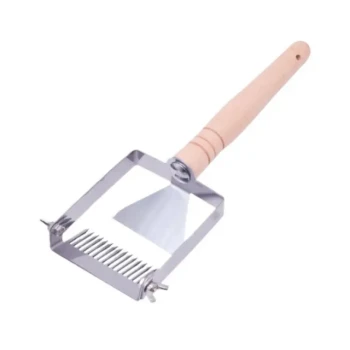
Adjustable Stainless Steel Honey Uncapping Fork with Scraper for Beekeeping
Item Number: UCS-1A


Precision Stainless Steel Frame Cleaner for Hive Grooves and Corners
Item Number: FC-3

Ergonomic Plastic Frame Spacer Tool for Rapid Hive Management Beekeeping
Item Number: FS-8
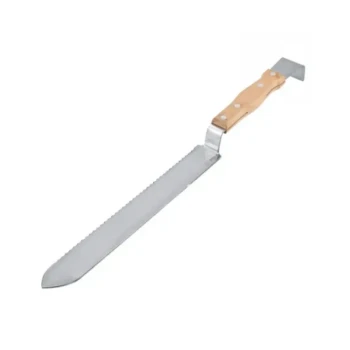
Professional Z-Shaped Multi-Function Uncapping Knife for Beekeeping
Item Number: UCK-7
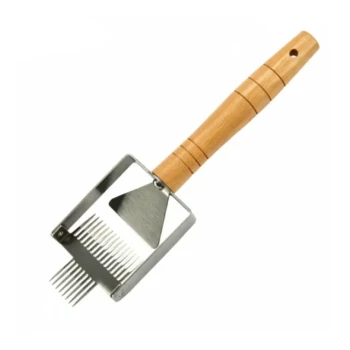
Double-Sided Pivoting Honey Uncapping Fork with Scraper for Beekeeping
Item Number: UCS-1B
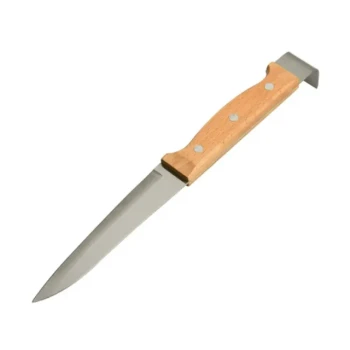
Professional Compact Multi-Function Uncapping Knife for Beekeeping
Item Number: UCK-8
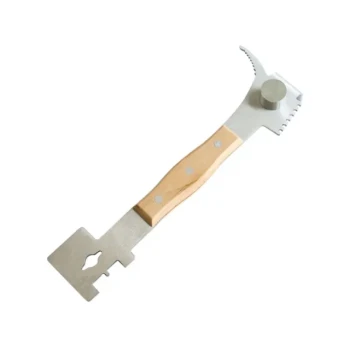
Multi-Function Hive Tool with Integrated Hammer for Beekeeping
Item Number: HT-21
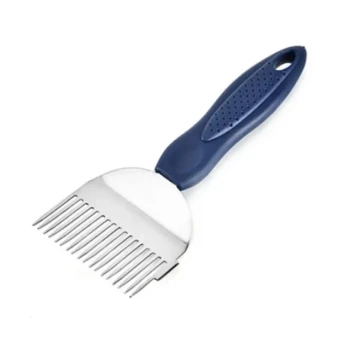

Heavy-Duty Bee Smoker with Durable Plastic Bellows for Beekeeping
Item Number: BS-9
Why Choose Our Bee Brushes for Beekeeping?
Bee brushes are a fundamental tool in the beekeeper's arsenal, designed to handle bees with care and precision. Our range of bee brushes is crafted with the needs of beekeepers in mind, ensuring gentle bee handling, durability, and ease of use. Here’s why our bee brushes stand out:
Gentle and Effective Bee Handling
Our bee brushes feature soft bristles made from materials like pig hair, horse tail hair, or artificial fibers. These bristles are designed to gently move bees without causing harm, ensuring the safety of both the bees and the delicate honeycomb structure. Whether you’re inspecting hives, harvesting honey, or conducting educational demonstrations, our brushes provide the perfect balance of gentleness and efficiency.
Ergonomic and Durable Design
Each bee brush in our collection is designed with the beekeeper’s comfort in mind. The handles are made from high-quality materials such as wood or plastic, providing a comfortable grip for extended use. The Plastic Handle Single Row Bee Brush features an ergonomic design that reduces hand fatigue, while the Beekeeping Brush with Pig Bristles and Wooden Handle offers a durable and easy-to-clean option. The Double-Row Horse Tail Hair Bee Hive Brush and Double Row Artificial Fiber Bee Brush both feature sturdy wooden handles with a hole for convenient hanging.
Versatility for All Beekeeping Tasks
Our bee brushes are versatile tools that can be used for a variety of beekeeping tasks. From hive inspections to honey harvesting, these brushes are designed to meet the diverse needs of beekeepers. The double-row designs of the Double-Row Horse Tail Hair Bee Hive Brush and Double Row Artificial Fiber Bee Brush allow for efficient brushing of larger areas, making them ideal for larger hives or more extensive beekeeping operations.
Eco-Friendly and Washable
We understand the importance of sustainability in beekeeping. That’s why our bee brushes are made from natural and eco-friendly materials. The Double-Row Horse Tail Hair Bee Hive Brush features horse tail hair bristles, while the Beekeeping Brush with Pig Bristles and Wooden Handle uses pig hair bristles, both of which are biodegradable and environmentally friendly. Additionally, all our brushes are washable in hot water, ensuring they remain clean and hygienic for repeated use.
Customizable Options
At [Your Brand Name], we pride ourselves on offering customizable solutions to meet the unique needs of our customers. Whether you need a specific bristle type, handle material, or brush size, we can tailor our products to suit your requirements. Our team of experts is always available to assist you in selecting the perfect bee brush for your beekeeping needs.
Enhance Your Beekeeping Experience
Using the right tools can significantly enhance your beekeeping experience. Our bee brushes are designed to make hive maintenance easier, safer, and more efficient. By choosing our brushes, you’re not only investing in high-quality tools but also ensuring the well-being of your bees and the longevity of your hives.
Get Started Today
Ready to elevate your beekeeping game? Explore our full range of bee brushes and find the perfect tool for your needs. If you have any questions or need assistance, don’t hesitate to contact us. Our team is here to help you make the best choice for your beekeeping operations. Let’s work together to create a thriving and sustainable beekeeping environment!
FAQ
What Is A Bee Brush Used For?
What Are The Main Features Of A Bee Brush?
What Are The Advantages Of Using A Bee Brush?
What Types Of Bee Brushes Are Available?
How Does A Bee Brush Help In Beekeeping?
REQUEST A QUOTE
Our professional team will reply to you within one business day. Please feel free to contact us!
Related Articles
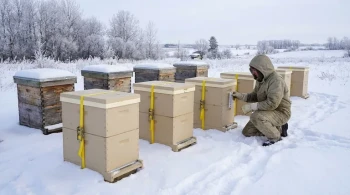
How Styrofoam Beehives Transform Overwintering Success: Science & Practical Insights
Discover how Styrofoam beehives improve winter survival rates with superior insulation, reducing honey consumption and condensation risks.
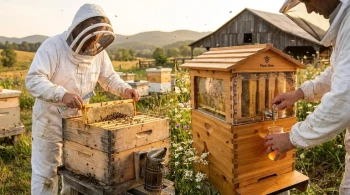
Flow Hive vs. Langstroth: Choosing the Right Hive for Your Beekeeping Goals
Compare Flow Hive vs. Langstroth beehives: efficiency, cost, and maintenance differences to choose the best system for your beekeeping goals.
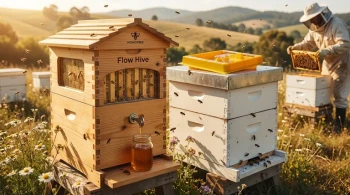
Flow vs. Langstroth Hives: Balancing Bee Welfare, Cost, and Productivity
Compare Flow vs. Langstroth hives for bee welfare, cost, and productivity. Choose the best beekeeping system for your needs.
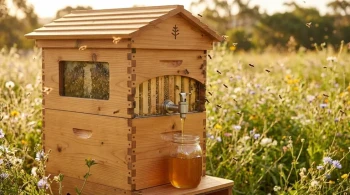
How Flow Hives Revolutionize Honey Harvesting: Saving Time and Protecting Bees
Flow Hives revolutionize honey harvesting with 80% less labor, intact combs, and faster recovery—ideal for commercial beekeepers.
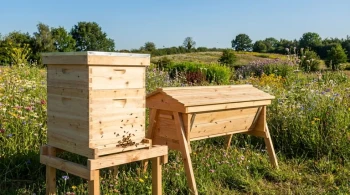
How to Choose Between Langstroth and Top Bar Hives for Your Beekeeping Goals
Compare Langstroth vs. Top Bar beehives for honey production, sustainability & ease of use. Choose the best hive for your beekeeping goals.
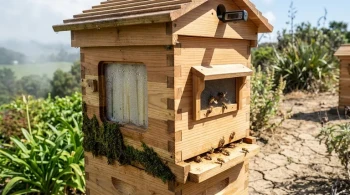
How to Optimize Flow Hive Ventilation for Healthier Colonies in Any Climate
Optimize Flow Hive ventilation for healthier bees in any climate. Learn climate-specific techniques to boost honey production and colony health.
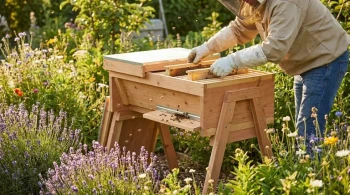
How Top Bar Hives Naturally Boost Bee Health and Simplify Beekeeping
Top bar hives promote natural bee health with comb freedom, thermal efficiency & sustainable harvesting. Ideal for low-maintenance backyard beekeeping.
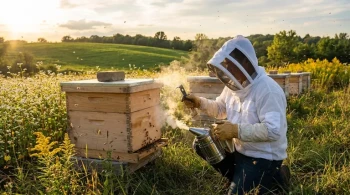
How to Choose Beekeeping Tools: A Practical Guide for Every Budget and Climate
Learn how to choose the best beekeeping tools for your budget and climate, from protective gear to hive management essentials.
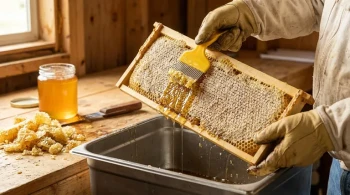
How to Choose and Master Decapping Knives for Optimal Honey Yield
Learn how to choose and use decapping knives for optimal honey yield, comb preservation, and beekeeping efficiency.
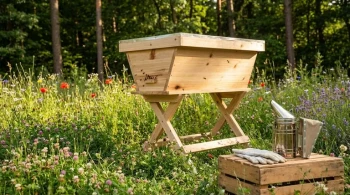
How Top Bar Hives Simplify Natural Beekeeping for Hobbyists
Top bar hives simplify natural beekeeping for hobbyists with cost-efficiency, healthier colonies, and low-maintenance care.
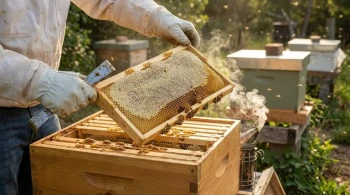
How to Prolong Flow Hive Lifespan: A Beekeeper’s Guide to Smart Frame Maintenance
Learn expert tips to extend your Flow Hive lifespan with smart frame maintenance, seasonal checks, and cost-effective repairs for beekeepers.
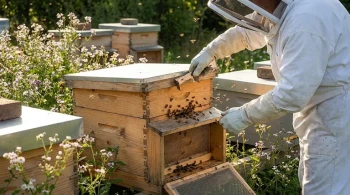
How to Optimize Beehive Ventilation: Prevent Disease and Boost Colony Health
Learn science-backed beehive ventilation strategies to prevent disease, boost colony health, and optimize honey production in all seasons.
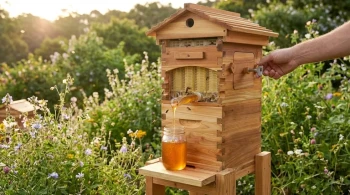
How Flow Hive Simplifies Beekeeping for Beginners: A Guide to Higher Yields with Less Effort
Flow Hive simplifies beekeeping with a bee-friendly, low-effort harvesting system—ideal for beginners to boost yields with minimal effort.
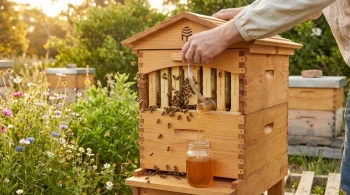
How Flow Hive’s Stress-Reduction Design Preserves Long-Term Hive Health
Flow Hive's stress-reducing design enhances bee health and honey yield. Learn how its non-invasive system benefits modern beekeeping.
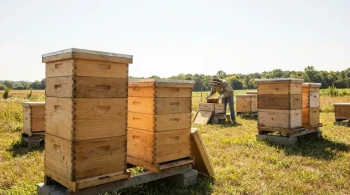
Strategic Super Sizing: How Beekeepers Optimize Hive Management
Learn how beekeepers optimize hive productivity with strategic super sizing—deep, medium, and shallow supers for brood, honey storage, and ergonomics.
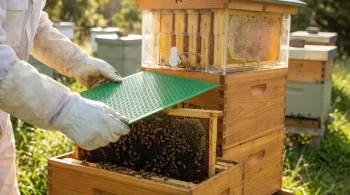
Strategic Queen Excluder Use in Flow Hives: Preventing Brood Contamination Without Triggering Swarms
Learn how to strategically use queen excluders in Flow Hives to prevent brood contamination while minimizing swarming risks for optimal honey production.
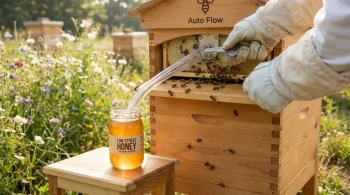
How Auto Flow Beehives Protect Bees While Doubling Harvest Efficiency
Auto Flow Beehives reduce bee stress by 80% and double honey yields with non-invasive harvesting. Ideal for sustainable apiculture.
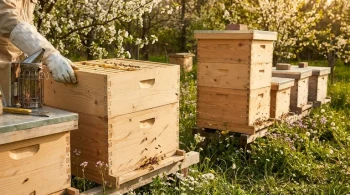
How to Expand Your Beehives in Spring Without Triggering Swarms
Learn how to expand beehives in spring using 8-frame systems to prevent swarming and boost honey production with sustainable hive management.
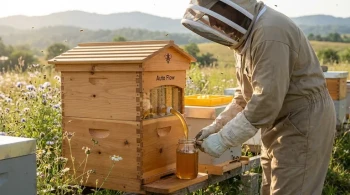
How Auto Flow Beehives Transform Honey Harvesting Through Stress-Free Design
Auto Flow Beehives revolutionize honey harvesting with stress-free design, boosting yields & hive health. Discover the future of beekeeping.
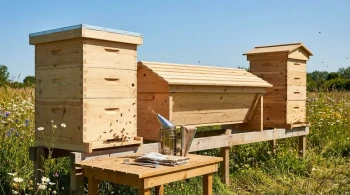
How to Choose the Right Beehive: A Practical Guide for Every Beekeeper
Learn how to choose the right beehive—Langstroth, Top Bar, or Warre—based on your environment, goals, and budget for thriving beekeeping.